Skeleton Lake
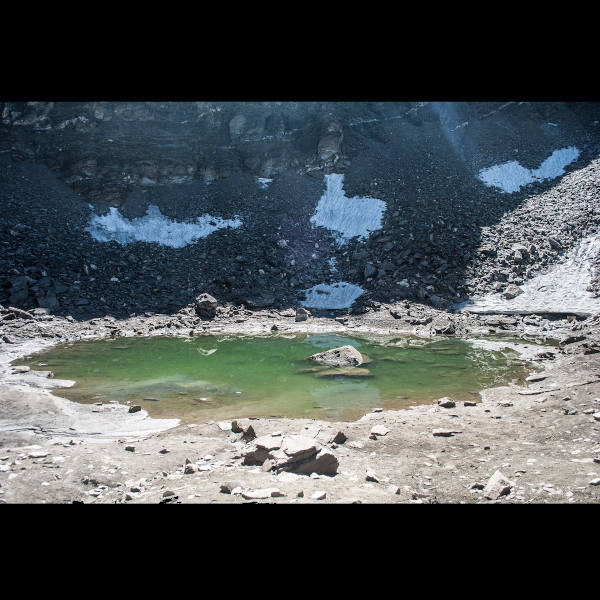
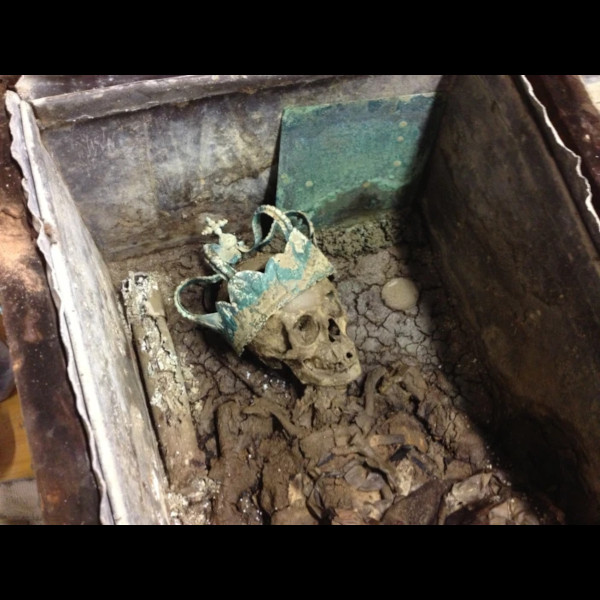
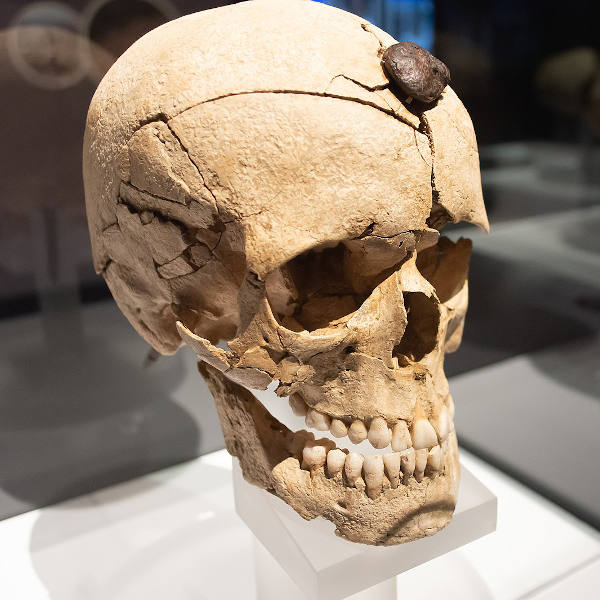
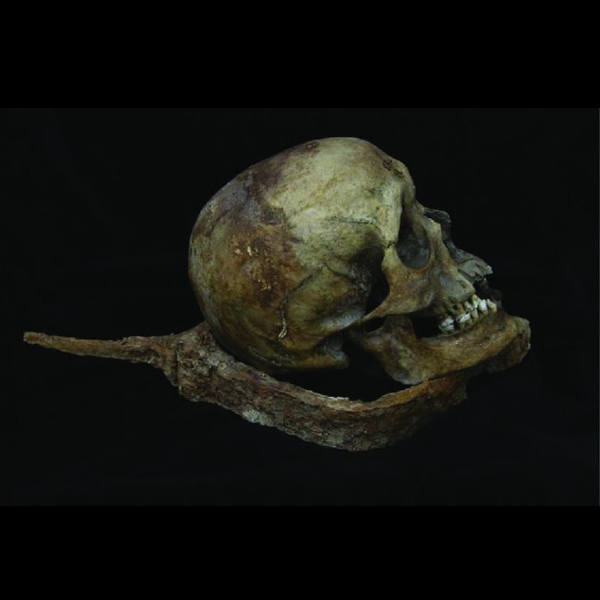
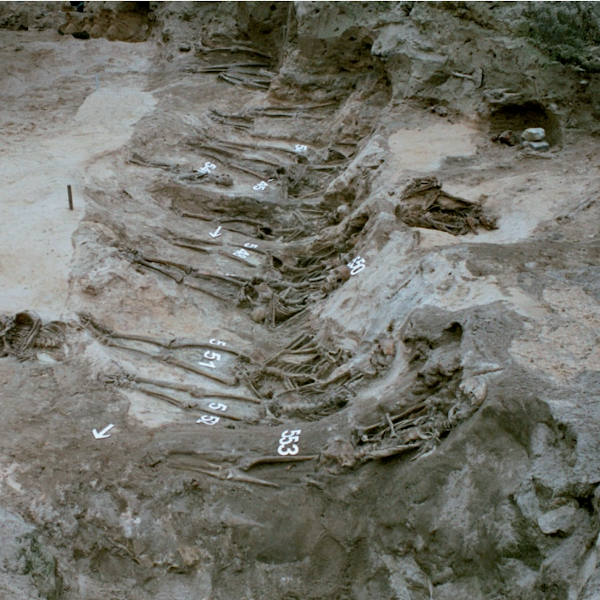
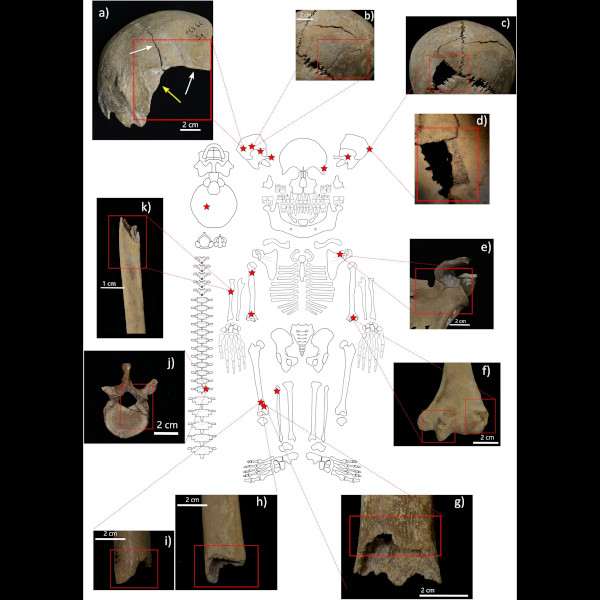
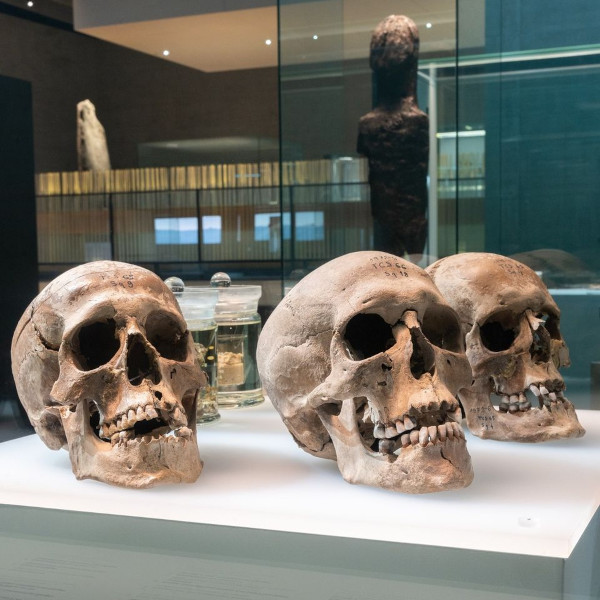
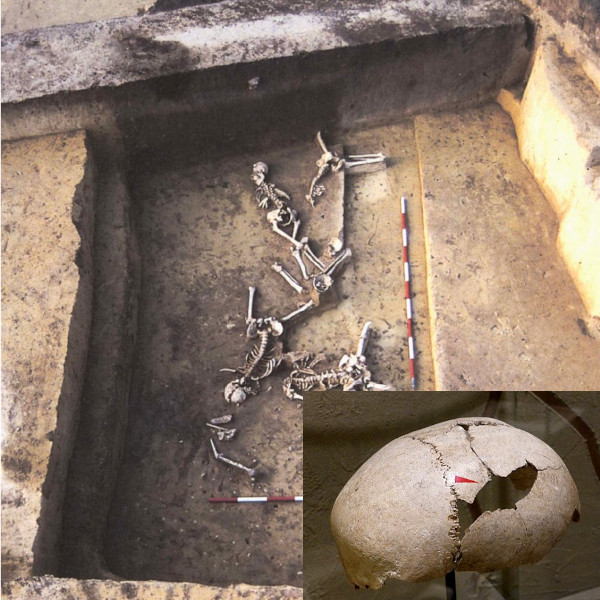
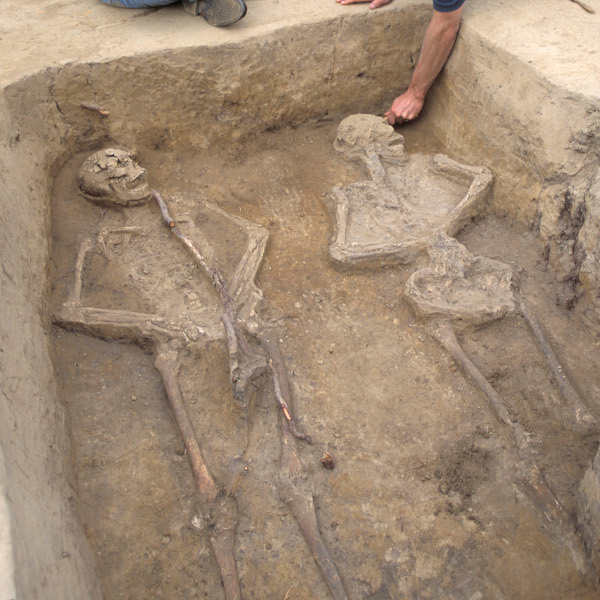
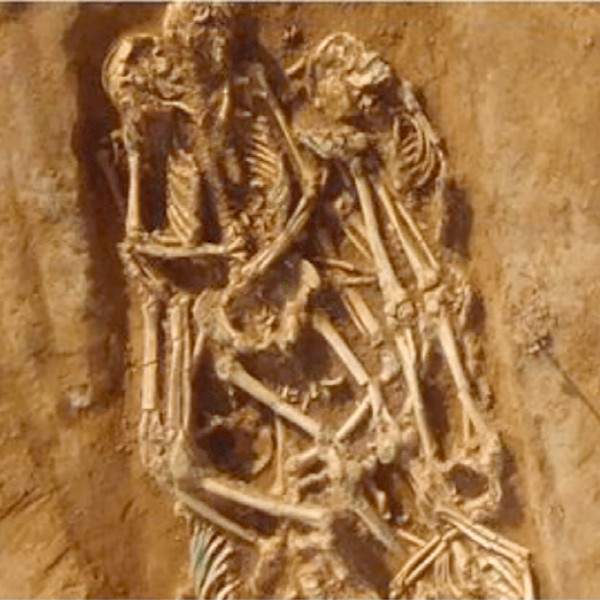
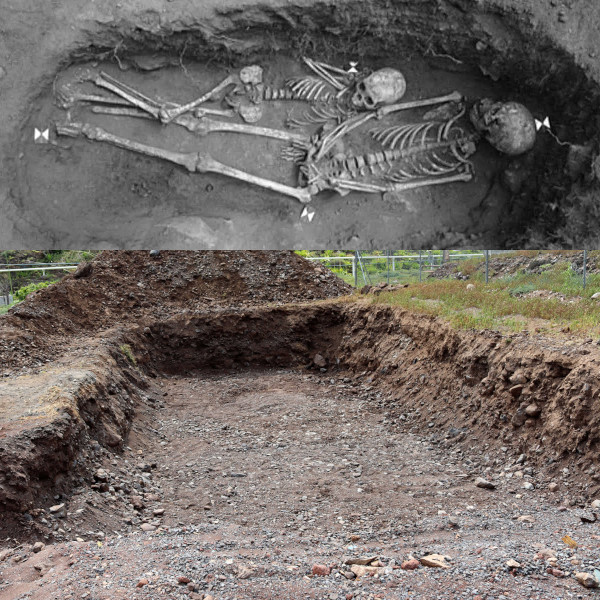
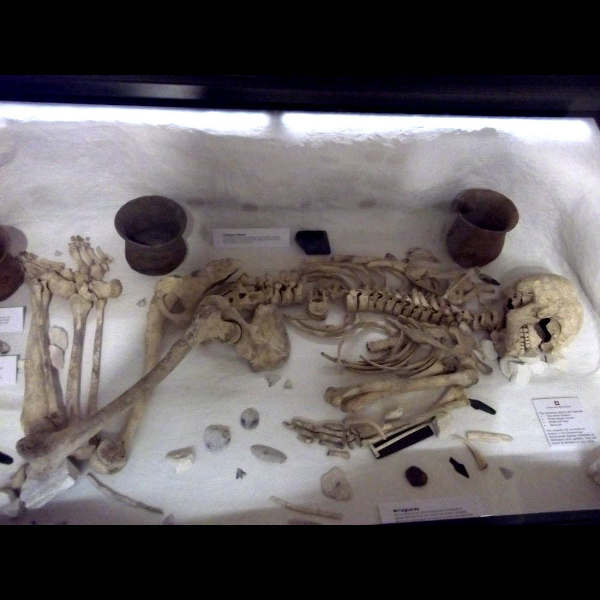
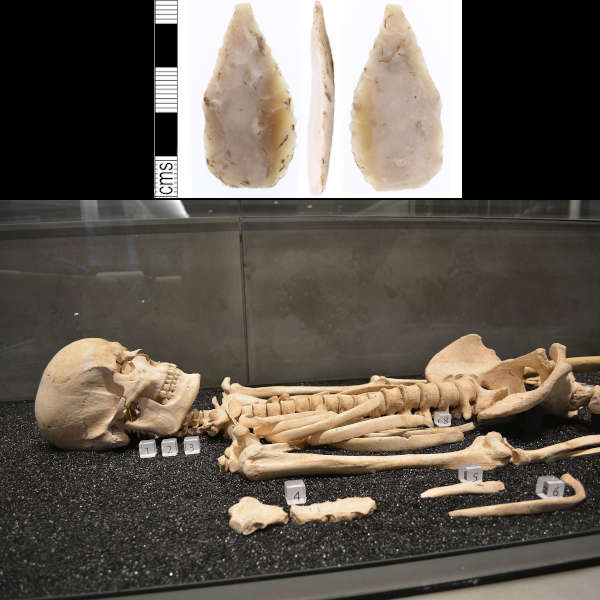
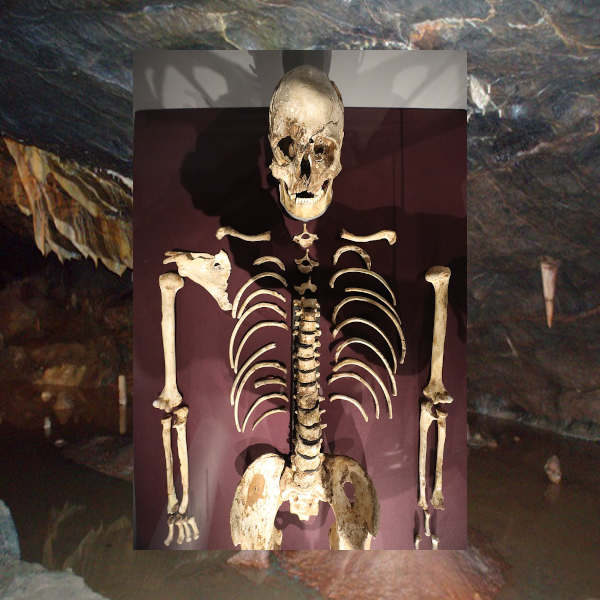
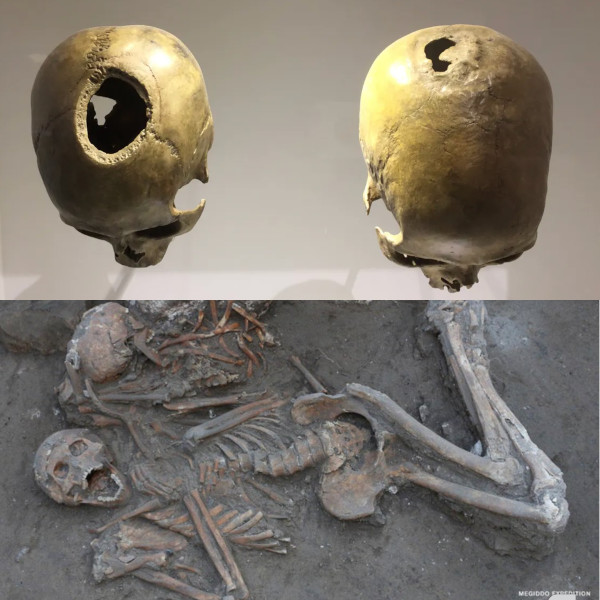
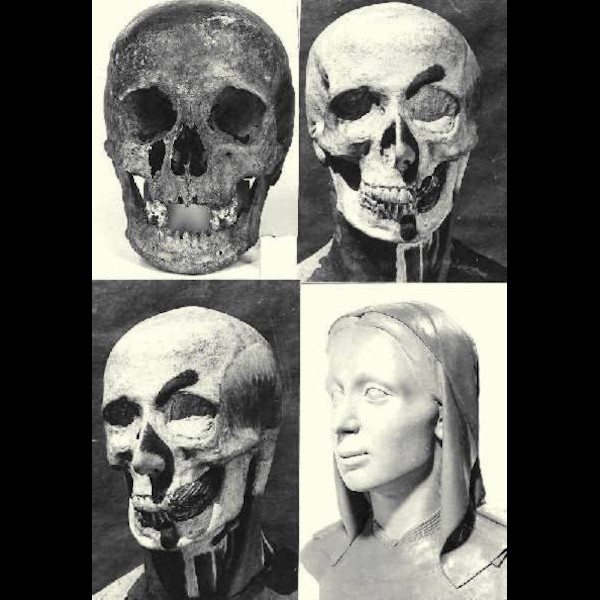
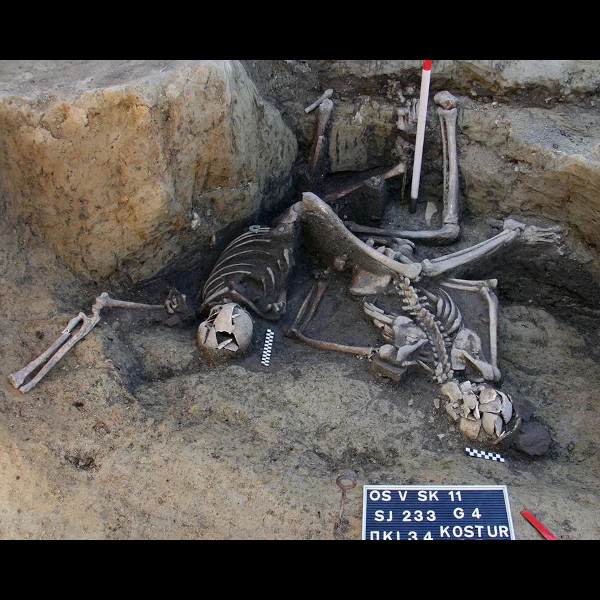
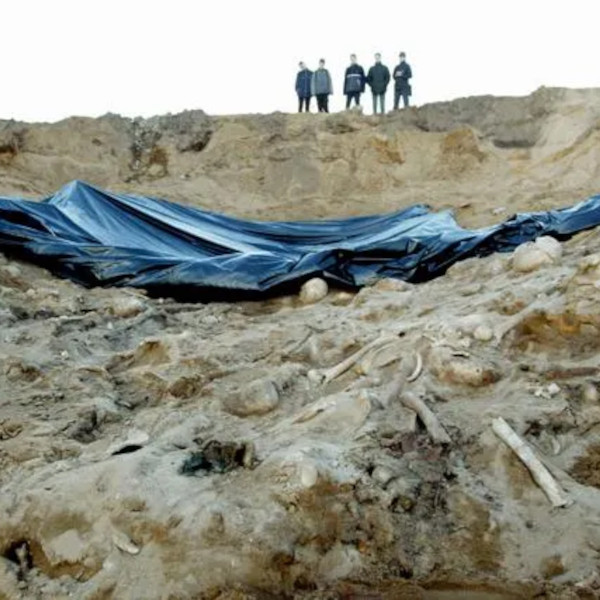
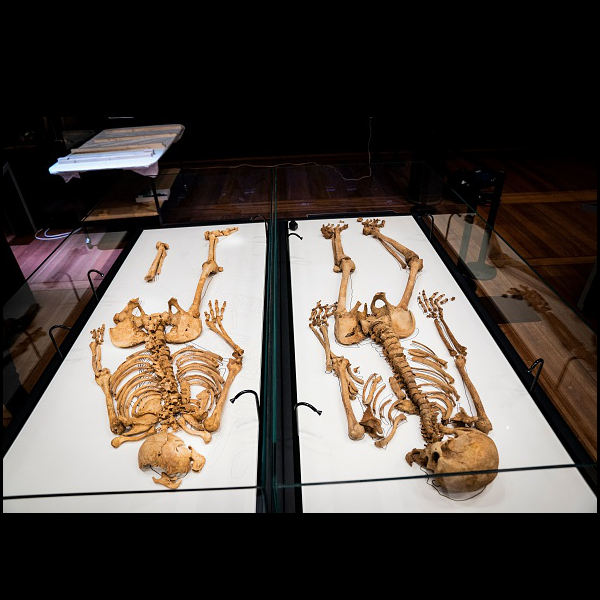
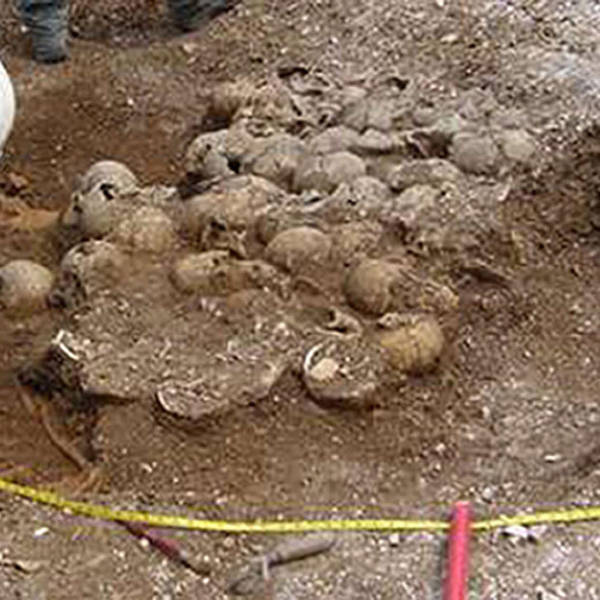
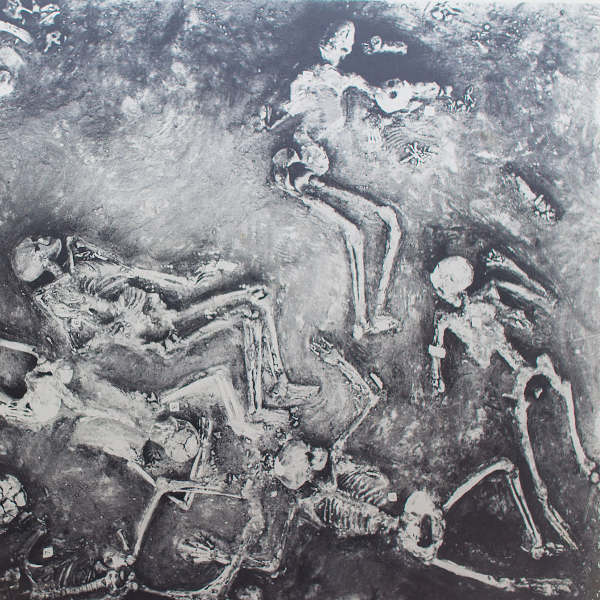
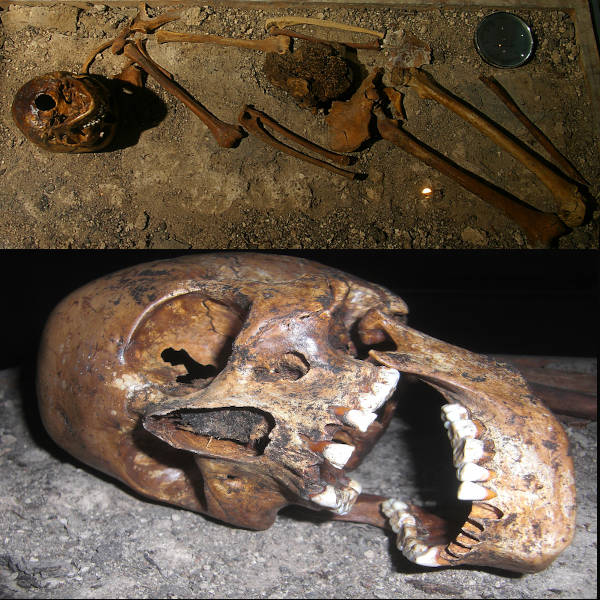
Roopkund Lake, also known as Skeleton Lake, is a high altitude glacial lake located in the Himalayas of northern India. The area is uninhabited and found at an altitude of 5020 meters. The lake itself is only 3 meters deep but known for containing up to 800 human skeletons. Some appear to have perished in a massive hailstorm dating to the 9th century as fatal blows have been found on some of the heads indicating being hit by something round like a cricket ball. No weapons have been found and the absence of injuries elsewhere indicates large hail stones or ice balls fell from the sky.
More...
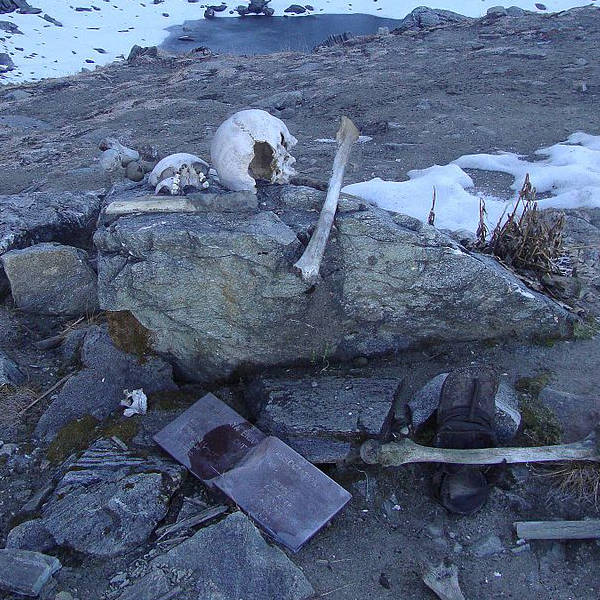
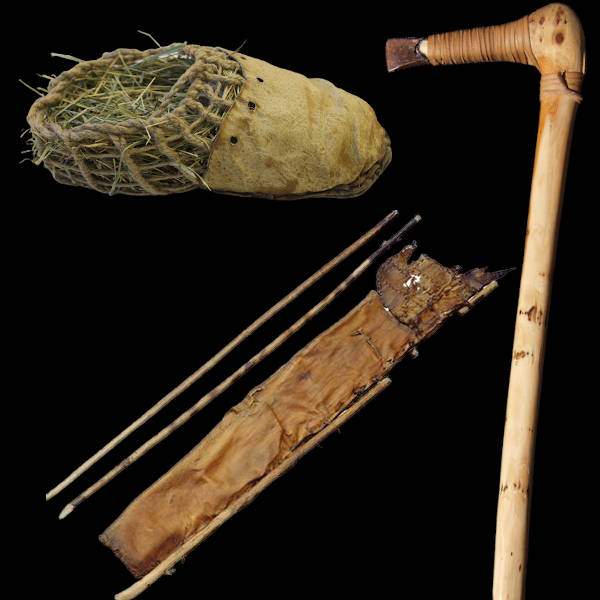
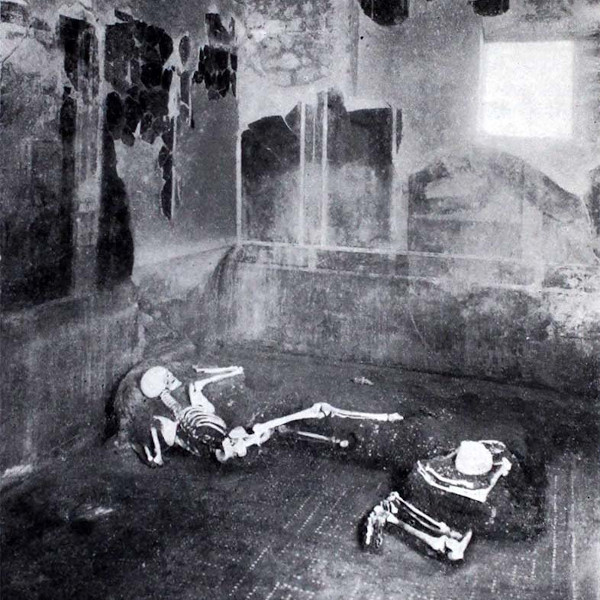
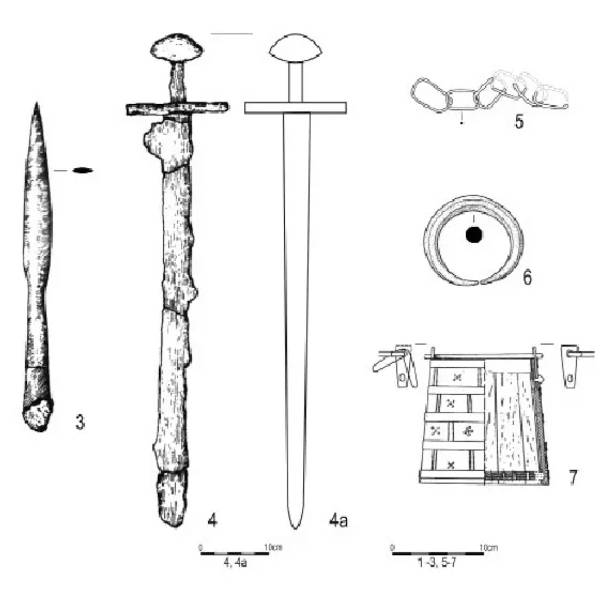
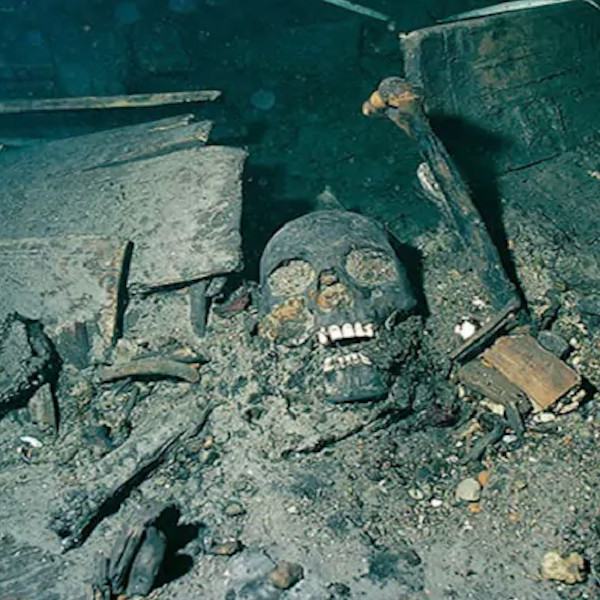
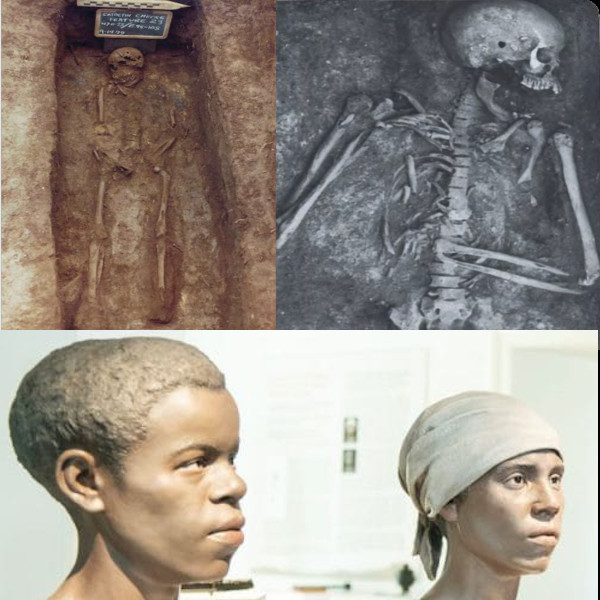
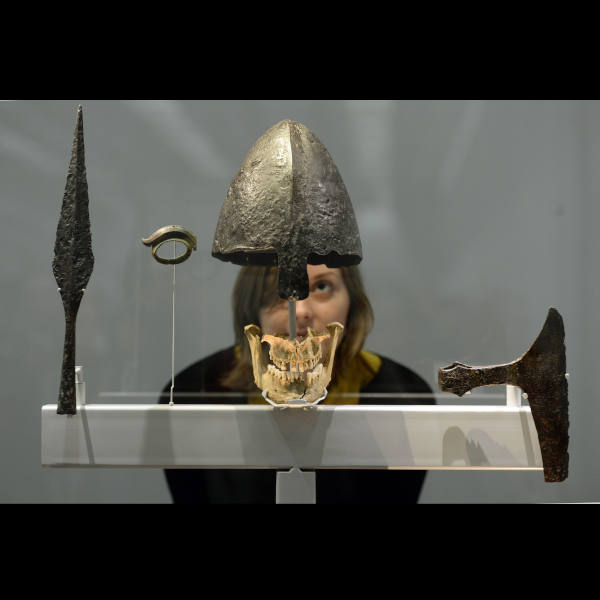
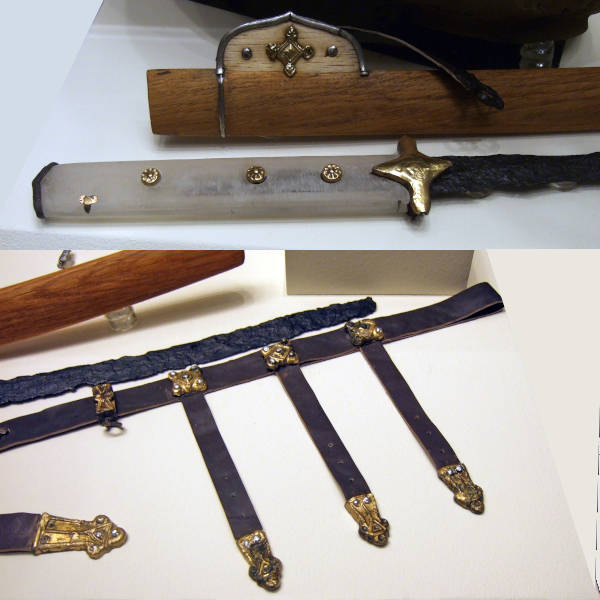
Legend has it that in medieval times King Jasidhwal of Kannauj and his pregnant wife were making a pilgrimage to the lake, but refused to walk barefoot which offended the Goddess Nanda. She sent a great snowstorm and the lives of the king, queen and their courtiers were cut short by the raging mountain goddess. Many of the skeletons are located along the edge of the lake and some are visible in the clear water of the lake during a one-month period when the surrounding ice melts. Wooden artifacts, iron spearheads, leather slippers and rings have also been found. Some of the skeletons are so well preserved that there is still flesh attached to them.
More...
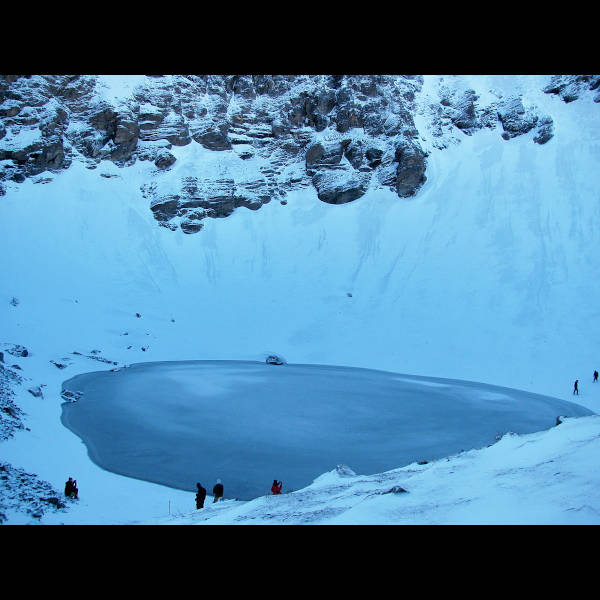
One larger group of skeletons is of South Asian ancestry dating to approximately 800 AD. Other skeletons have been found dating from around 1800 AD, and seem to be of Greek or Cretan origin. Nobody seems to know how these migrants from the Mediterranean died in this remote location only a few hundred years ago There was also an individual found nearby from the same time period of Southeast Asian origin.
More...
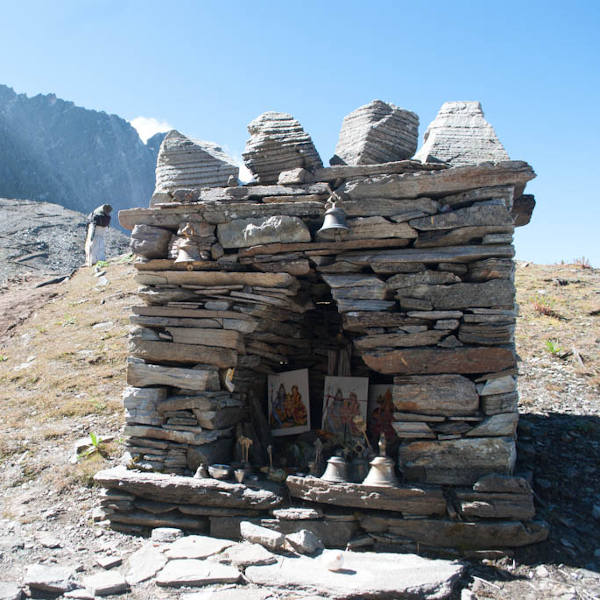
Roopkund is a popular tourist destination and one of the most important places for trekking. Every twelve years hosts the Nanda Devi Raj Jat celebration where the Goddess Nanda is worshipped. This pilgrimage There is a growing concern about the regular loss of these skeletons over time as they are taken by visitors. Tourists, trekkers and researchers have been found transporting the skeletons away on mules.
More...