Your DNA is compared with archaeological samples from these Ancient Civilizations:
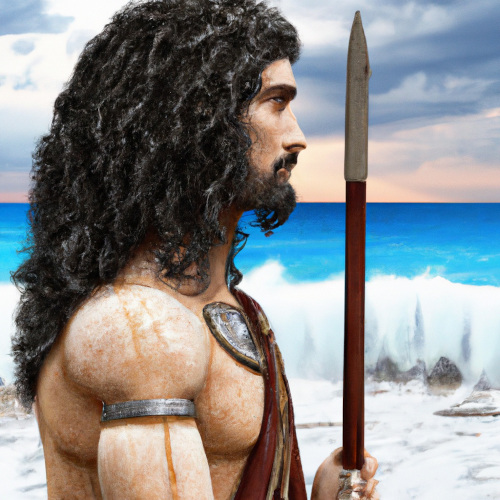 Abantes Greeks
Abantes Greeks
The Abantes were an ancient Ionian Greek tribe whose home was the island of Euboea. They were not Ionians themelves but rather assimilated into Ionian customs and culture. Aristotle believed the Abantes were originally Thracians from the Phocian city of Abae who had colonized the island in pre-historic times. Myth claims the first king of the Abantes was the son of Poseidon, god of the sea. They had a reputation for being fierce spearmen and a warlike people. Herodotus states that many Abantes from Euboea established colonies in Chios and Asia Minor. Homer describes them as wearing their hair short in the front and long in the back to prevent enemy warriors from grabbing their hair.
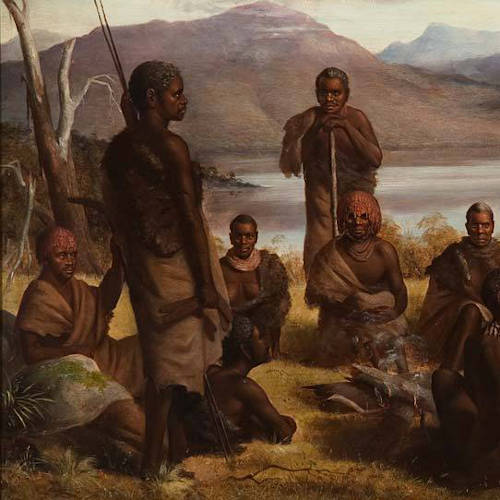 Aboriginal Australian
Aboriginal Australian
Aristotle and Ptolemy once believed there was too much land in the northern hemisphere and that there must be some undiscovered continent balancing the globe somewhere in the south. As the last part of the New World to be discovered, Indigenous Australians or Aborigines numbered around 500,000 by modern estimates when the Europeans first arrived. Early encounters were sometimes peaceful and sometimes not. These inhabitants were thought to have arrived in two phases - the first from the Indian subcontinent around 65,000 years ago via a land bridge connecting the continent to New Guinea bringing people who spoke the Paman and Ngumbin languages. A second migration wave arrived with Austronesians as early as 2000 BC who introduced the dingo, a breed of Asian dog. Archaeological evidence shows most Indigenous communities were semi-nomadic, moving in a regular cycle over a defined territory folllwing seasonal food sources. Aboriginal Australians along the coast and rivers were expert fisherman who mastered trapping and harpooning.
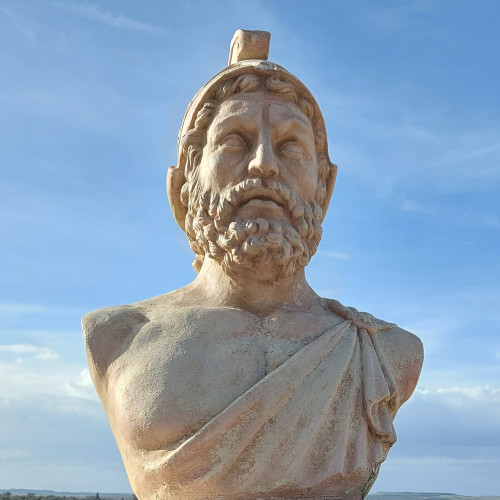 Achaean Greeks
Achaean Greeks
The Achaeans were one of the four major tribes into which Herodotus divided the Greeks. They populated the region of Achaea in the northern Peloponnese and played an active role in the colonization of Italy. They also founded the city of Croton located in Calabria in southern Italy - Croton was famous for producing generations of winners in the Ancient Olympic games and other Panhellenic Games. Pythagoras founded his school, the Pythagoreans, in Croton in 530 BC. Unlike other major Greek tribes, the Achaeans did not have a separate dialect, but spoke a form of Doric. Over time the Achaeans cemented their common identity in response to rising power of Sparta to the south and Sicyon to the east. Achaea became a league of 12 city states and after the fall of Macedon was able to take over the whole of the Peloponnese. However the Romans had other plans and eventually defeated the Achaeans at the Battle of Corinth in 146 BC who dissolved the league.
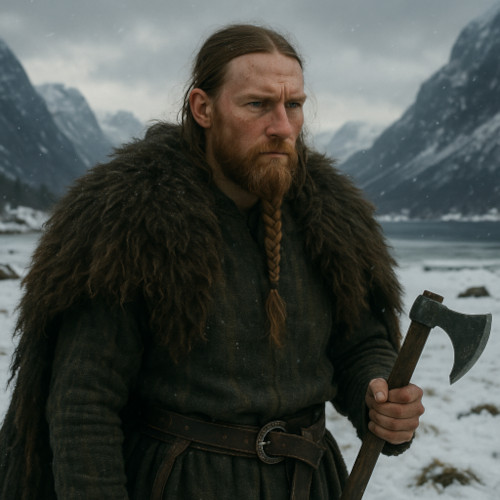 Nordic Adogit
Nordic Adogit
The Adogit were an ancient people mentioned by the 6th century historian Jordanes in his work Getica. He placed them in the far north of the island Scandza (interpreted as Scandinavia), describing their land as experiencing continuous daylight for 40 days in summer and continuous darkness for 40 days in winter - a clear reference to the Arctic Circle. The name Adogit is thought to be a corrupted form of the Haleygir - an old Norse term for the people of Halogaland. They were adept at surviving harsh winter conditions and were also experienced sailors contributing to early Viking expeditions.
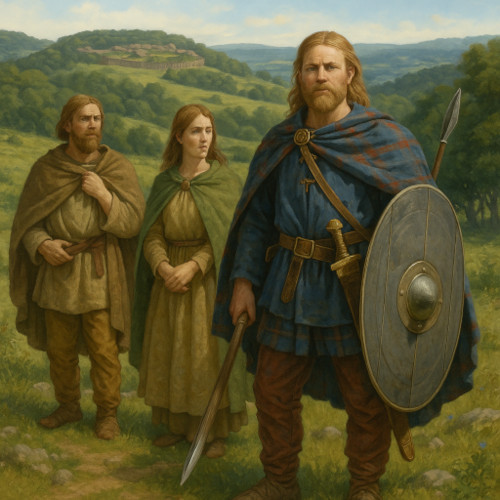 Gallo-Celtic Aedui
Gallo-Celtic Aedui
The Aedui were a powerful Celtic tribe in central Gaul, known for their early alliance with Rome, which granted them special status as Amici Populi Romani - friends of the Roman people. Centered around the fortified city of Bibracte, they controlled vital trade routes and played a key political role among Gallic tribes. Despite their Roman ties, they briefly joined Vercingetorix in his revolt against Caesar during the Gallic Wars - only to be defeated and drawn further into Roman rule. Over time, the Aedui became fully integrated into the Roman Empire, their leaders even gaining senatorial rank in Rome itself. Their capital, Bibracte, was not only a major political and cultural center but also the place where Julius Caesar wrote part of his Commentarii de Bello Gallico (Commentaries on the Gallic War). He stayed there during the winter of 52-51 BC.
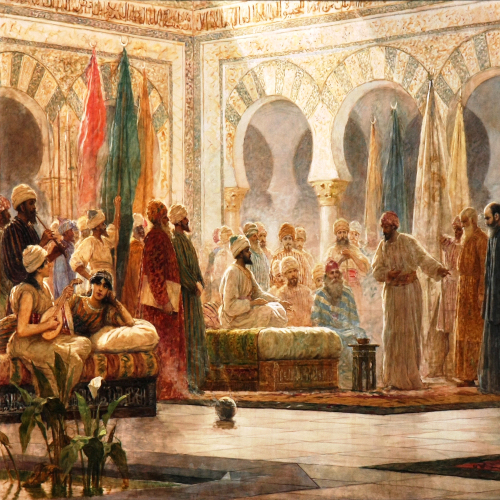 Al-Andalus
Al-Andalus
Al-Andalus, also known as Muslim Iberia, was a medieval Muslim territory and cultural domain that included much of Iberia, today's Portugal and Spain. At its greatest point, it occupied northwestern Iberia and present-day southern France. It generally refers to the parts of the peninsula governed by Moors at various times from 711 to 1492. At its greatest point, the administrative units included Andalusia, Portugal/Galicia, Castile and Leon, Navarre. Aragon, Barecelona and Septimania. Rule under these kingdoms led to a rise in cultural exchange and cooperation between Muslims and Christians. Under the Caliphate of Cordboa, Al-Andalus was a beacon of learning and Cordoba became one of the leading cultura and economic centers of Europe and the Islamic world. Achievements in trigonometry, astronomy, surgery pharmacology, agronomy and other fields all came from here. For almost its entire history, Al-Andalus was in conflict with the Christian kingdoms to the north. The Alhambra palace in Granada reflects the culture and art of the last centuries of Al-Andalus.
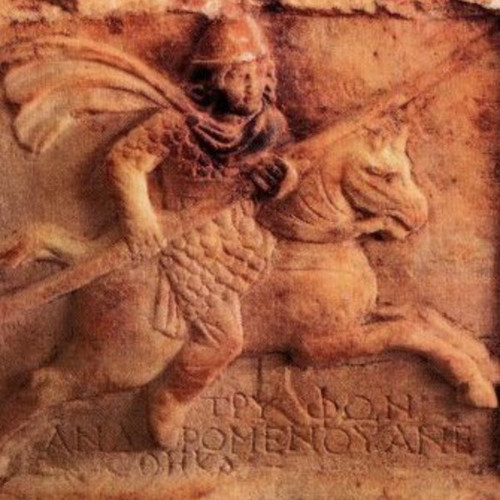 Alans
Alans
Alans
Known as the most formidable cavalry of their time, the Alans often they acted as mercenaries for the Romans and Byzantines. The horses and men were often protected by a hardened leather or metal hauberk covering the entire body. They fought with long swords using both hands and no shield. On their helmets they often confirmed deer antlers. The deer played an important role in their mythology. The Roman historian Ammianus Marcellinus describes them as tall in stature and shapely, with blond hair.
They had a great ancestor cult but no shrines to worship gods. As a god they worshiped a sword stuck in the ground. There was little gender difference and probably more females than males were priests.
For several centuries the Alans maintained their position in the Empire of the Bosphorus, the kingdom in the Crimea. In the 5th century the Alans became a vassal state of the Byzantine Empire. The Alanian Empire fell apart in the 12th century and was divided into several kingdoms. After the sack of Constantinople by the crusaders in 1204 and the expulsion of the Byzantine Imperial House, which their kings were connected by marriage, their influence comes to an end.
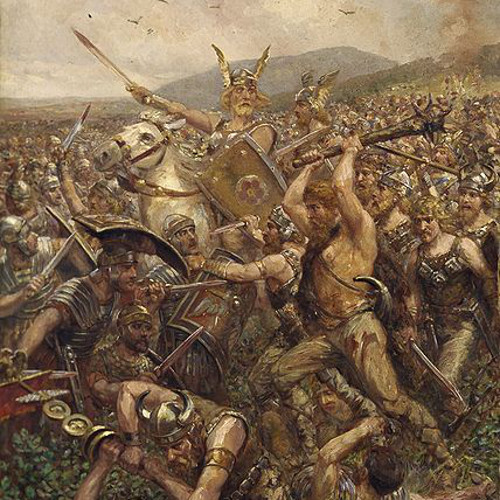 Alemanni
Alemanni
The Alemanni (literally translates to "all men"), also known as the Suebi, were a confederation of Germanic tribes on the Upper Rhine River. The Roman historian Cassius Dio first describes the Alemanni during Emperor Caracalla's campaign and portrays them as victims of the treacherous Roman emperor. Using a pretext of peace the Romans colonized the land and executed warriors. As a result, the Alemanni enaged in conflicts with Rome and launched a major invasion of Gaul and northern Italy. In 366, they crossed the frozen Rhine in large numbers to invade Gallic provinces but were thwarted by Emperor Valentinian. A followup invasion of 406 led to the Alemanni conquering and settling large parts of Alsace and Switzerland. By the time the Alemanni fought alongside the Huns in 451 AD, the Franks had become powerful enough to be counted as allies of the Romans. The Franks united under the reign of their first king Clovis I who led the Franks in conquering the pagan Alemanni which effectively expanded the boundaries of Gaul. The Alemanni continued to exist under Frankish rule but assimilated. Today the word for Germany in many modern-day languages is Allemagne or Alemania.
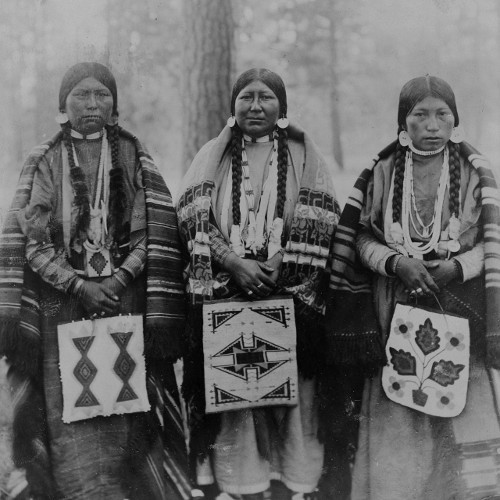 Indigenous Peoples of North America
Indigenous Peoples of North America
The ancestors of modern Native Americans arrived in what is now the United States at least 15,000 years ago, possibly much earlier, from Asia via Beringia. A vast variety of peoples, societies and cultures subsequently developed. The prevailing theory proposes that people migrated from Eurasia across Beringia, a land bridge that connected Siberia to present-day Alaska during the Ice Age, and then spread southward throughout the Americas over the subsequent generations. Genetic evidence suggests at least three waves of migrants arrived from Asia, with the first occurring at least 15 thousand years ago. These migrations may have begun as early as 30,000 years ago and continued through to about 10,000 years ago, when the land bridge became submerged by the rising sea level caused by the ending of the last glacial period. These early inhabitants, called Paleoamericans, soon diversified into many hundreds of culturally distinct nations and tribes. Numerous Paleoindian cultures occupied North America, with some arrayed around the Great Plains and Great Lakes of the modern United States and Canada, as well as adjacent areas to the West and Southwest. According to the oral histories of many of the indigenous peoples of the Americas, they have been living on this continent since their genesis, described by a wide range of traditional creation stories. Other tribes have stories that recount migrations across long tracts of land and a great river, believed to be the Mississippi River. Genetic and linguistic data connect the indigenous people of this continent with ancient northeast Asians. Archeological and linguistic data has enabled scholars to discover some of the migrations within the Americas.
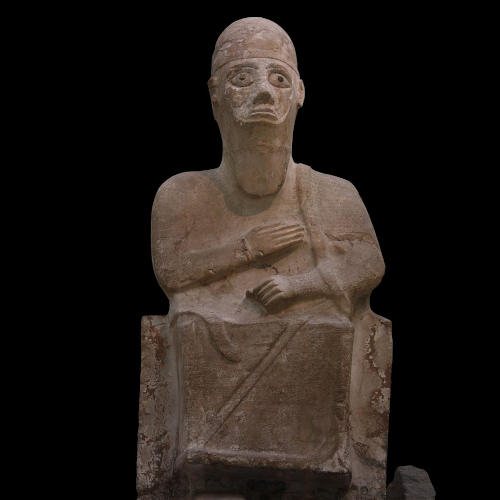 Amorites
Amorites
The Amorites were nomads originating in Canaan and northwestern Syria who migrated into Mesopotamia bringing an advanced culture. The word Amorite derives from the Akkadian term Amurrum which means West. They spoke a Semitic language and were first mentioned in Sumerian text from 2500 BC as nomadic invaders who ate raw meat and did not bury their dead. This view changed quickly as Amorites began establishing villages in the region and became a threat to the Akkadian leader Sargon the Great who defeated them. After the fall of the Akkadian Empire the Amorites began to seize control of the cities in the region including Larsa, Kish, Sippar and Babylon. They intermingled with the local Baylonian people and even worshipped their gods. Perhaps the most famous Amorite King was Hammurabi who spread Babylonian culture throughout the Near East.
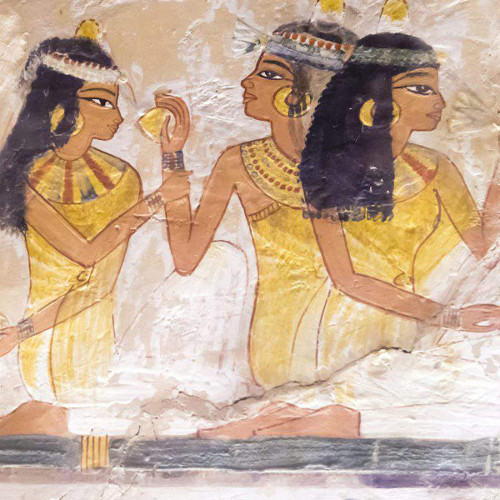 Ancient Egyptians
Ancient Egyptians
In 332 BC, Alexander the Great conquered Egypt with little resistance from the Persians and was welcomed by the Egyptians as a deliverer. The administration established by Alexander's successors, the Macedonian Ptolemaic Kingdom, was based on an Egyptian model and based in the new capital city of Alexandria. The city showcased the power and prestige of Hellenistic rule, and became a seat of learning and culture, centered at the famous Library of Alexandria. The Lighthouse of Alexandria lit the way for the many ships that kept trade flowing through the city as the Ptolemies built revenue generating enterprises, such as papyrus manufacturing, their top priority. Hellenistic culture did not supplant native Egyptian culture, as the Ptolemies supported time-honored traditions in an effort to secure the loyalty of the populace. They built new temples in Egyptian style, supported traditional cults, and portrayed themselves as pharaohs. Some traditions merged, as Greek and Egyptian gods were syncretized into composite deities, such as Serapis, and classical Greek forms of sculpture influenced traditional Egyptian motifs. Despite their efforts to appease the Egyptians, the Ptolemies were challenged by native rebellion, bitter family rivalries, and the powerful mob of Alexandria that formed after the death of Ptolemy IV. In addition, as Rome relied more heavily on imports of grain from Egypt, the Romans took great interest in the political situation in the country. Continued Egyptian revolts, ambitious politicians, and powerful opponents from the Near East made this situation unstable, leading Rome to send forces to secure the country as a province of its empire.
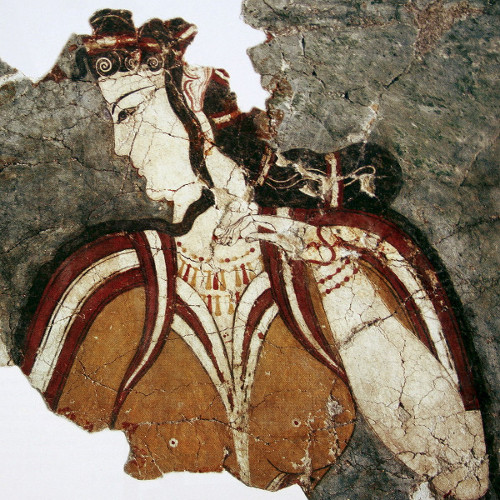 Ancient Greeks
Ancient Greeks
Mycenaean Greece (1600-1100 BC) represented the first advanced civilization in mainland Greece with its palatial states, urban organization, works of art, and writing system. Mycenae was the most prominent site along with centers of power such as Athens, Thebes, the Peloponnese, Pylos, Tiryns, Orchomenos and Iolcos. Mycenaeans had influential settlements all over the Aegean Sea, the Levant, Cyprus and Italy.
Mycenaeans introduced many innovations in the fields of engineering, architecture, military infrastructure and trade. The society was dominated by warrior elite. The head of the society was the king.
Trade over vast areas of the Mediterranean was essential for the economy. Raw materials such as metals, ivory and glass were imported. Olive oil was a chief multi-purpose export. Mycenaean Greeks achieved strong comercial and cultural interraction with other Bronze Age people living in the regioin including Canaanites, Assyrians and Egyptians. Cyprus was a principal intermediary station for trade, with considerable Mycenaean goods found there.
Following the collapse around 1100 BC, the area entered the Greek Dark Ages. Many Mycenaeans fled to places like Sicily during this time.
 Angles
Angles
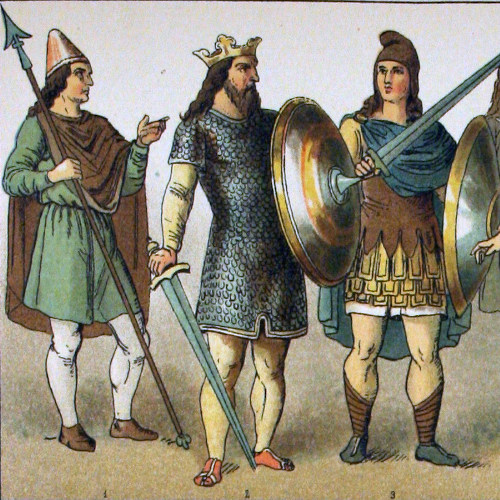
The Angles were a Germanic tribe who inhabited a land called Angulus - the province between the Jutes and Saxons located between southern Denmark and northern Germany. Mentioned by Ptolemy and Tacitus, they were described as bordering the Longobards and Semnones. They were known by the Romans as inaccessible to attack as they lived behind ramparts of rivers and woods. Pope Gregory I writes about seeing Angle children he once saw in a Roman market as having angelic faces who should be co-heirs of the angels in heaven. Around the 5th century AD the Angles migrated to Britannia and founded the kingdoms of Northumbria, East Anglia and Mercia. The Angle kingdoms fell in the great assaults by the Danish Viking armies in the 9th century and became subjects of the Danelaw. The Saxon kings of Wessex eventually defeated the Danes and liberated the Angles. They united their royal houses with those of the Angles and the old Anglo-Saxon world thus ended and the dawn of the English people began. Some Angles remained in Angulus which is called Anglia today.
 Anglo Saxons
Anglo Saxons
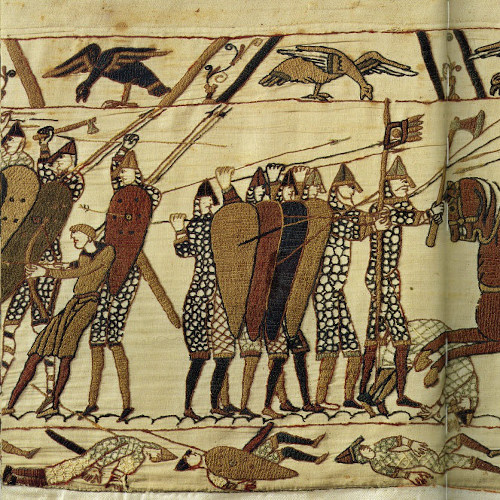
In the darkest days of the Roman Empire, a barbarian horde rose with villages stretching across the North Sea terrorizing both sides of the English Channel. The Saxons were warrior kings who lived for glory and gold. It is said in the 5th century, the British Warlord Vortigern sought help to fight the Picts and the Scots. The Saxon mercenaries led by Hengest and Horsa arrived on the scene. When they were not paid they began to invade the entire island, especially with flooding and coastal changes washing away their homeland forcing mass migrations. The southern coast kingdoms of Essex, Wessex and Sussex were settled by the Saxons. The Angles settled the eastern coast and the midlands including the kingdoms of Anglia and Mercia. The Jutes settled Kent and the Isle of Wight. All these germanic tribes were pagans worshipping Tiw, Woden and Thunor very much like their Viking neighbors with Tyr Odin and Thor. Ultimately, King Aethelbert of Kent converted to Christianity and became the Overlord of Britain. Raedwald of Anglia later took over and continued to spread Christianity around Britain which helped unite the Britons with the Anglo-Saxon invaders.
 Aquitani
Aquitani
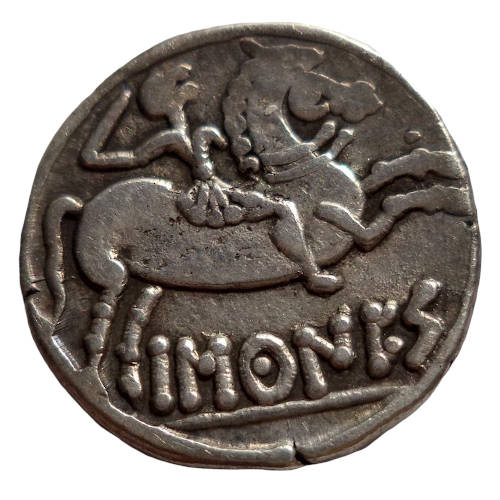
The Aquitani shared common ancestry with the Vascones and Iberians as a pre-Indo European people and spoke a proto-Basque language. They inhabited the region of Southwest France between the river Garonne and the Pyrenees mountains. Julius Caesar clearly distinguised the Aquitani from the Gauls and the Belgae who also inhabited broader Gaul as they had their own language, customs and laws. The Atlantic coast of the Aquitani was sandy and had thin soil - however gold and silver mines were abundant and they had established fine ironworks - Roman records mention the Aquitani as a wealthy people. Not long after Julius Caesar defeated Vercingetorix at the Battles of Gergovia and Alesia, the new Roman province of Gallia was established combining Aquitania, Belgica, Barbonensis and Lugdunensis. Latin became the predominant language of the region during Roman times, but even today Basque remains common in the southern regions.
 Aramaeans
Aramaeans
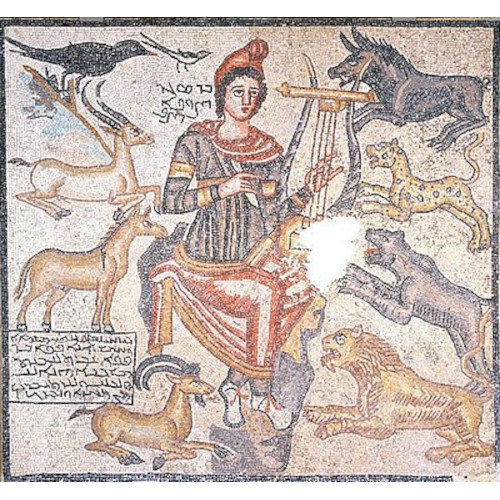
The Arameans were a Semitic people who emerged around the 11th century BC, establishing city-states in the region that is now Syria and parts of Mesopotamia. They are noted for their development of the Aramaic language, which became a lingua franca of the Near East and was later used in parts of the Hebrew Bible and by Jesus Christ. The Arameans excelled in trade and agriculture, capitalizing on their strategic location along key trade routes. Over time, their influence waned due to conquests by the Neo-Assyrian Empire in the 8th century BC, which led to their assimilation into wider Mesopotamian and Middle Eastern cultures. Despite this, the legacy of the Aramean culture persists through the Aramaic language and in the religious practices of certain Christian communities in the Middle East.
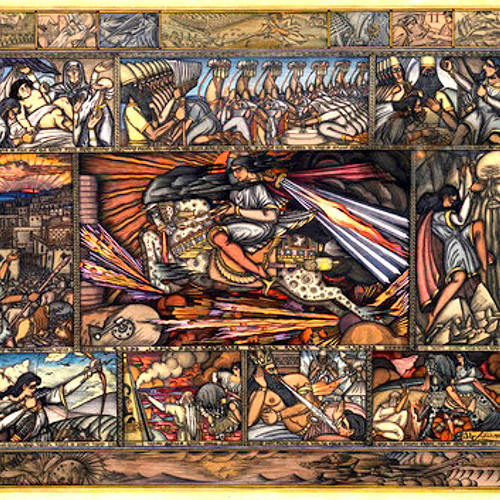 Kingdom of Armenia
Kingdom of Armenia
The Kingdom of Armenia was a monarchy in the Near East existing between 321 BC and 428 AD. Originally one of the satrapies of the Achaemenid Empire of Persia, it became a kingdom in 321 BC after the conquest of Persia by Alexander the Great. Specifically at this time a Hellenistic Kingdom of the Seleucid Empire. The Kingdom of Armenia reached its peak under Tigranes the Great during the period of the Roman Republics expansion eastwards - however this ended in 69 BC when Rome conquered Armenia. Following the Roman-Parthian wars, Armenia briefly became a province of the Roman Empire under Emperor Trajan as a vassal state. The Kingdom of Armenia played a pivotal role as the frontier territory between the Byzantine Empire to the west and the Sassanid empire to the east.
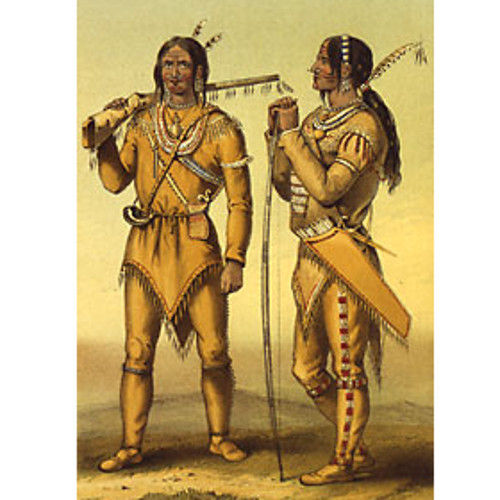 Alaskan Athabaskans
Alaskan Athabaskans
Alaskan Athabaskans are Alaska Native peoples native to the interior of Alaska as well as the Yukon and Northwest Territories of Canada. In Alaska, there are up to thirteen groups identified by the languages they speak. The culture is an inland creek and river fishing and hunter-gatherer culture. There is a matrilineal system where children belong to the mother's clan with the exception of the Yupikized Athabaskans. Their garments included a beaded tunic and moccasin pants. Athabaskans are considered among the first people to arrive in North America. They crossed a land bridge linking Siberia and Alaska approximately 40000 years ago. Navajo and Apache belong to the Southern Athabaskan family.
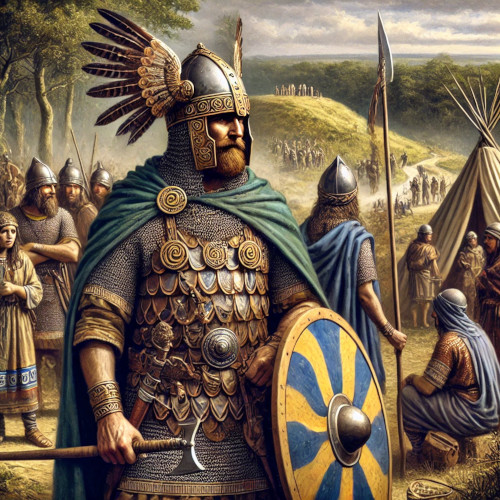 Atrebates
Atrebates
The Atrebates, a Belgic tribe who originated in Gaul and migrated to Britain, boasted a remarkable realm that stretched from modern Hampshire through to Berkshire and possibly Surrey, with their power center in Silchester, known as Calleva Atrebatum. This tribe brought with them from continental Europe advanced Iron Age technologies and artistic styles, which were evident in their coinage, known for its intricate designs that are considered some of the finest in ancient Britain. The Atrebates were led by dynamic rulers like Commius, a former ally of Julius Caesar, who established a powerful dynasty after fleeing political intrigue in Gaul. Their society was highly organized, with a structured settlement pattern that included fortified towns and sophisticated agricultural systems, indicating a well-developed political structure. Engaging in both conflict and diplomacy, the Atrebates played a pivotal role in the turbulent power dynamics of Iron Age Britain, navigating alliances and rivalries with neighboring tribes and the expanding Roman Empire.
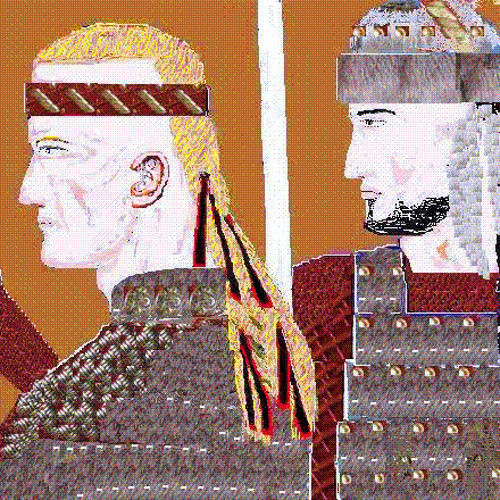 Avars
Avars
Avars
Pannonian Avars were a nomadic people who settled the former Roman province of Pannonia including modern day Hungary, Slovakia and Austria. In 557, the Avars send an embassy to the Byzantine Empire. In exchange for gold, they agreed to subjugate barbarians on behalf of the Byzantines. They conquered and incorporated various nomadic tribes. By 562, the Avars controlled the lower Danube basin and the steppes north of the Black Sea. Upon arrival in the Balkans, the Avars had 20,000 horsemen. Emperor Justinian paid them to head into Germania, but this was bloked by Frankish opposition. The Avars aligned with the Lombards in 567 to destroy the Gepids, and then convinced the Lombards to move into northern Italy. Avars would periodically raid the Balkans when the Byzantines failed to pay a stipend. Frankish invasions in the 790s led to the collapse of the Avar Khanate in Pannonia.
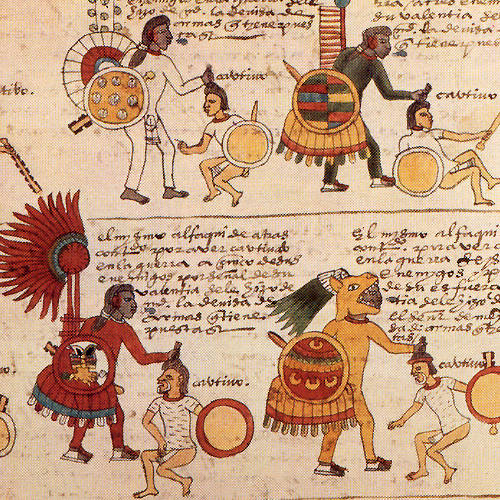 Aztec Empire
Aztec Empire
The Aztecs were likely a nomadic tribe originating from northern Mexico who arrived in Mesoamerica around the beginning of the 13th century. They saw an eagle perched on a cactus on the marshy land near Lake Texcoco and took it as a sign to build their settlement there. After draining the land they constructed artificial islands to plant gardens and establish the foundations of their great new capital Tenochitlan. This sophisticated agriculture system combined with a powerful military enabled the state to transform itself into an empire. Under the leader Itzcoatl, the Aztecs made key alliances to defeat their most powerful rival the Tepanec and conquer their capital Azcapotzalco. By the 16th century the Aztecs had ruled up to 500 smaller states with a population exceeding 5 or 6 million people. The Aztec civilization was highly developed socially, intellectually and artistically. There was a highly structured society with nobles, serfs, servants and slaves. The Aztec faith shared aspects with other Mesoamerican religions like that of the Maya which included the rite of human sacrifice.
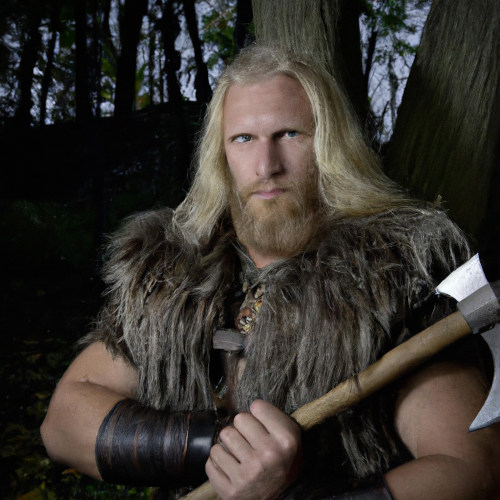 Germanic Baiuvarii
Germanic Baiuvarii
The name of the Baiuvarii, also spelled Baiuvari likely means men from Bohemia. They were a Germanic people who settled in what is today Bavaria and they spoke an early version of the Austro-Bavarian language - they are considered the ancient ancestors of Bavarians, Austrians and South Tyroleans. The Baiuvarii were mentioned in the Frankish Table of Nations in 520 AD as a people with kinship to Burgundians, Thuringians and Longobards. They had funeral traditions similar to the Alemanni but different from the Thunringi. The Baiuvarii are also known for having many individuals with artifically deformed craniums in their cemeteries - usually female as a sign of status. In one Bavarian cemetery dating from 500 AD, males were found to be primarily of north-central European origin - however many females were found to be of Southeast European or East Asian ancestry evidencing significant exogamy.
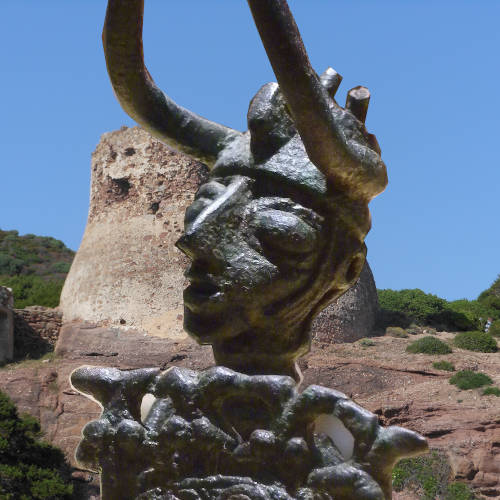 Balari
Balari
The Balari Tribe were located north of the Iolei territory and were not native to Sardinia. They are thought to come from northern Spain - the Ancient Greeks said they were related to the Cantabri people - a pre-Celtic tribal federation located on the northern coastal region of Iberia, near Basques territory. They are also theorized to be related to the ancient peoples of the Balearic Islands off the coast of Spain. The Greek traveller Pausanias speculated the Balari were descendants of the Iberian and African mercenaries of Carthage, adding that in the Corsi language the word Balares translates to "fugitives". The Balari language was similiar to ancient Iberian, unlike the more native Iolaes language. In 177 BC the Balari and Iolaes revolted against the Romans but were defeated by the legions of Tiberius Gracchus the Elder.
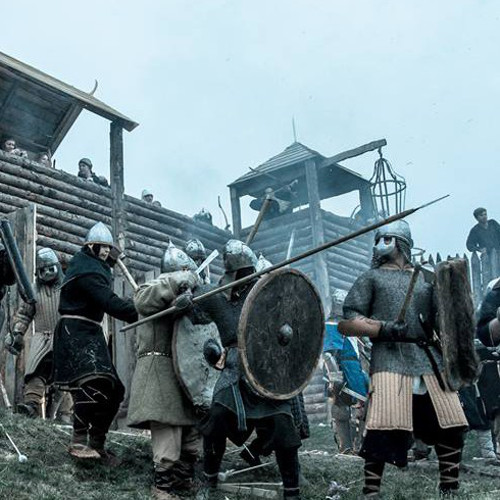 Baltic Tribes
Baltic Tribes
The Roman Historian Tacitus first mentions in 98 AD the existence of a tribe living near the Baltic Sea called the Aesti. These were a Baltic peoples, who descended from a group of Indo-European tribes who settled the area between the Vistula and southeast shore of the Baltic Sea, and upper Daugava and Dnieper rivers. The thousands of lakes and swamps helped contribute to the Baltic geographic isolation. Western and Eastern Balts began to differentiate in the later centuries BC. The Western Balts included the Brus/Old Prussians, Sudovians, Scalvians, Nadruvians and Curonians. The Eastern Balts meanwhile were living in modern day Belarus, Ukraine and Russia. As the Roman Empire collapsed, Eastern Balts were pushed to the west and Slavic tribes from the Volga appeared on the scene. Many of the Eastern and Southern Balts were assimilated and slavicized. Brus/Old Prussians were meanwhile Germanized.
The Baltic Tribes leveraged the natural landscape to build thousands of hill forts along key areas which were effectively fortified wooden pallisades which would be heavily defended. The Baltic peoples were known to be fierce warriors, excellent sailors and pirates.
 Bantu Peoples
Bantu Peoples
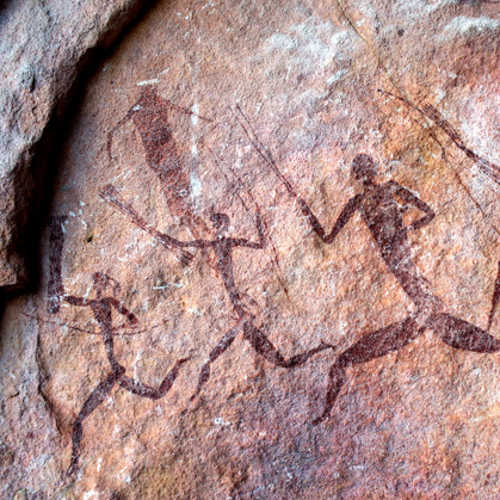
The Bantu Peoples are those who speak languages deriving from Proto-Bantu language spoken 4000 years ago in West/Central Africa. During the Bantu Expansion in the first milennium BC, a rapid succession of migrations took place. The Bantu peoples assimilated or displaced earlier inhabitants such as the Pygmy or Khoisan populations in central and southern Africa. Bantu migrants would acquire cattle from their Cushitic neighbors. Bantu and Cushitic peoples interacted considerably leading to various ethnic admixtures such as the Tutsi of the African Great Lakes region. In Southern Africa, a major clan of Bantu People known as the Zulu became a powerful state in 1818 under the famous Zulu King Shaka.
 Germanic Batavi
Germanic Batavi
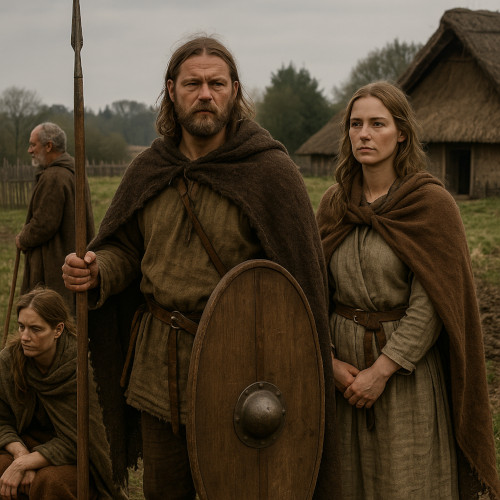
The Batavi were a Germanic tribe known for their elite service in the Roman army, especially as fearless cavalry and swimmers who could cross rivers in full armor. Though initially loyal to Rome, they launched a major rebellion in 69-70 AD under Julius Civilis, temporarily defeating Roman legions and disrupting the imperial control of the Rhine frontier. As a militarized society on the edge of the Roman world, the Batavi served as a crucial cultural and strategic bridge between Germania and Rome. Their legacy endured far beyond antiquity, inspiring the name Batavia as a symbol of independence in the Dutch Republic and in modern Dutch cultural identity.
 Belgae
Belgae
The ethnic name Belgae comes from the Proto-Celtic word Bolgi which means "The People who Swell with anger or battle fury". These Celtic people lived north of the Gauls and Aquitani and differed by language, customs and laws. Caesar considered them to be the bravest of the Gallic populations as they were furthest removed from the refinement and civilization of Rome - as well as constantly warring with the Germanic tribes to the East. Caesar himself suffered his greatest defeat at the hands of the Belgae but finally subdued them in 57 BC. Belgae tribes also settled in Britain populating many parts of the lowlands with the key centers in Colchester, St. Albans and Silchester. These settlers introduced the heavy plow to the region which greatly expanded the useable farmland.
 Boii
Boii
Boii
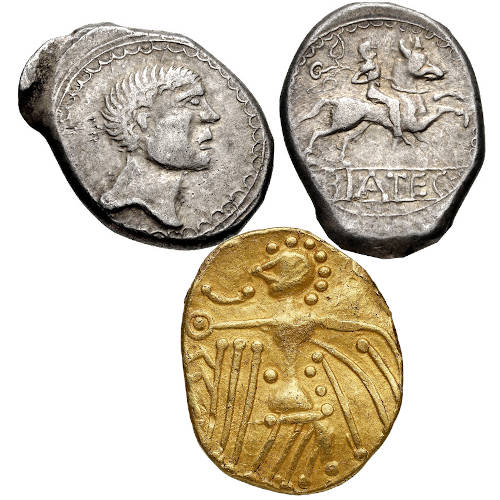
The Boii were a Gallic tribe of the Iron Age known to inhabit at various times Cisalpine Gaul, Pannonia, Bavaria, Bohemia and Southern Germany. They first appear in history when they captured the Etruscan city of Felsina (Bologna) and made it their new capital. Ancient authors claim the Boii arrived in northern Italy by crossing the Alps but there is no evidence of them living in Gaul - their origins are believed to be Southern Germany or Bohemia. In the second half of the 3rd century BC, the Boii allied with other Cisalpine Gauls and Etrsucans to fight against Rome. They also joined Hannibal in killing the Roman general Lucius Postumius Albinus in 216 BC and turned his skull into a sacrifical bowl. The burial rites of the Boii shows many similarities with Bohemia and unlike Gauls they did not wear torcs. Ultimately after they were defeated by the Romans the tribe disappeared - many are thought to have ultimately settled in Slovak and Hungarian lowlands.
 Brahmin Dynasty of Sindh
Brahmin Dynasty of Sindh
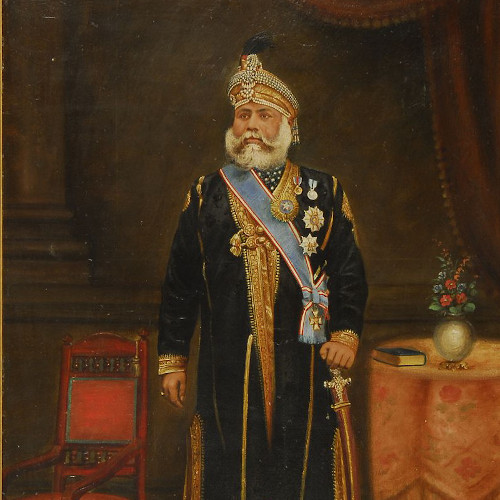
The Brahman dynasty was a Hindu power on the Indian subcontinent which originated in the region of Sindh, present-day Pakistan. The Brahman dynasty succeeded the Rai dynasty after its founder Chach of Alor married the widow of Rai Sahasi II, the last ruler of the Rai dynasty. He then secured power by killing the brother of Rai Sahasi II. Much of what we know today comes from the Chach Nama, a historical account of the Chach-Brahman dynasty. Raja Dahar was the last ruler of the Brahmin Dynasty of Sindh. His kingdom was conquered by the Ummayad Caliphate and he was killed at the Battle of Aror at the banks of the Indus River.
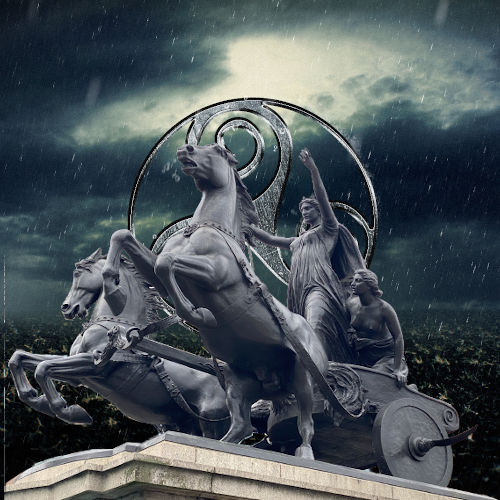 Celtic Britons
Celtic Britons
Ancient Celts migrated to Britain from mainland Europe starting around 1300 BC. The Ancient Greek historian Pytheas first explored these islands in 330-320 BC and named them the Brittanic Isles and the people living there the Pretani which translated to Britons. The other two major Celtic groups were the Gauls in France and the Gaels in Ireland. They lived within tribes without a central government and brought iron work to the British Isles. Each tribe lived in hill forts surrounded by ditches and banks encircling defensible hilltops. The Britons were excellent warriors who liked to cover themselves in blue paint and tattoos to give a frightening look as they fought naked. They would routinely cut off the heads of their enemies in battle and display them as trophies. Furthermore the Britons were excellent farmers who knew how to cultivate the rich valley and lowland soils. These insular Celts resisted the Romans for decades but eventually were defeated. The Romans controlled Britannia until 410 AD after which the Anglo-Saxons arrived. By the end of the first milennium they had conquered most of Brittonic territory and the language and culture of the native Britons was largely extinguished.
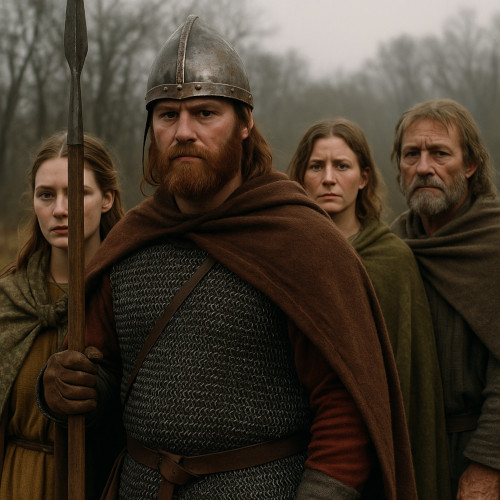 Burgundi
Burgundi
The Burgundi were a Germanic tribe that originally hailed from Scandinavia, likely southern Sweden or Denmark. They began migrating southward in the 3rd century AD, eventually settling along the Rhine River and into Roman Gaul by around 406 AD, as part of the larger migration of Germanic tribes pushing westward. The Romans initially saw them as allies, granting them land in exchange for military service, marking the beginning of the Burgundian Kingdom. By 436 AD, under their king Gundahar, the Burgundi were firmly established in the Rhone Valley, creating a kingdom in the region. This kingdom was centered around modern-day Vienne and Lyon. The Burgundians ruled this fertile land, but they faced constant pressure from the Franks and Romans, leading to several battles over control of the region. The kingdom became a powerful force in the 5th century, and Burgundian kings such as Gundahar and his successors often clashed with other tribes and the remnants of the Western Roman Empire.
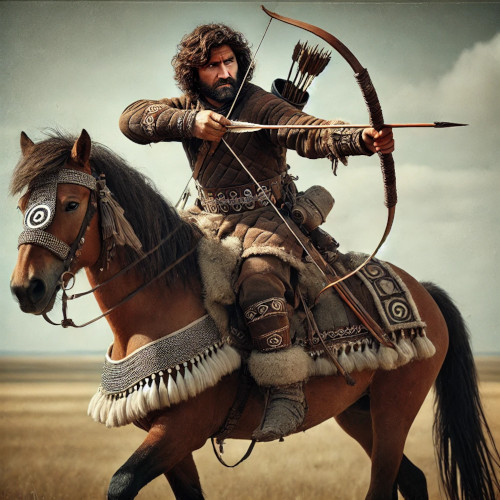 Burtas
Burtas
The Burtas civilization, thriving in the medieval period near the Volga and Ural Rivers, presents a fascinating glimpse into early Eurasian nomadic cultures. Renowned for their prowess in both trade and warfare, the Burtases adeptly navigated the complexities of maintaining extensive trade networks while fiercely defending their autonomy against neighboring powers. Their society was marked by a rich oral tradition, where storytelling illuminated the values, myths, and history of their people, embedding a deep sense of identity and continuity. Innovatively adapting to the harsh steppes, they mastered the art of horse breeding, producing steeds that were coveted across continents for their speed and endurance. The Burtases also left a legacy of intricate metalwork, featuring tools, weapons, and ornamental artifacts that displayed remarkable craftsmanship and artistic skill.
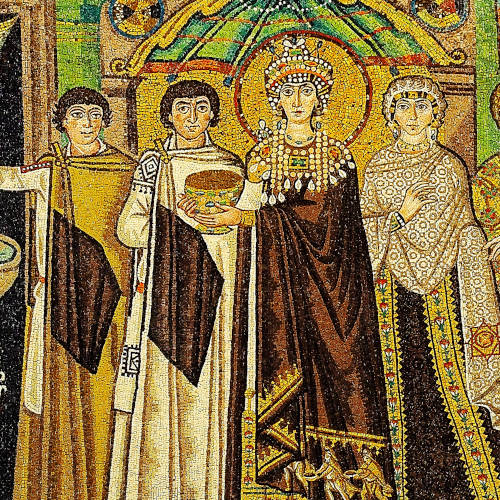 Byzantine Empire
Byzantine Empire
After two decades of Roman civil war, Constantine the Great siezed control of the whole Roman Empire and had the challenge of administering this enormous realm. 6 weeks after ascending to the throne, he journeyed to Byzantium, the ancient Greek city state, and threw a spear into the ground and outlined where his new great capital would be built - Constantinopolis. The city would be built using the latest techniques from the Roman Empire complete with forums, markets, aqueducts, vast cisterns and impregnable defensive walls. For over a thousand years, the Byzantine Empire flunctuated through cycles of decline and recovery. Years after the fall of the classical Roman Empire, Emperor Justinian I led the Byzantines to reconquer North Africa, Italy and Rome from the barbarians to reach its largest territorial claim. The Byzantine Empire had a multi-ethnic character and preserved Romano-Hellenistic traditions with a predominant Greek element. The Byzantines were involved in a long-running power struggle with the Venetians for control of Mediterranean trade which ultimately concluded with the burning and sacking of the great capital by Crusaders in 1203/1204. This was followed by a division of Byzantine lands reducing the Byzantine Empire itself to its purely Greek provinces. The mighty Theodosian walls which had held off countless invaders such as Attila the Hun ultimately succumbed to the sheer number of Ottoman forces and their cannons in 1453.
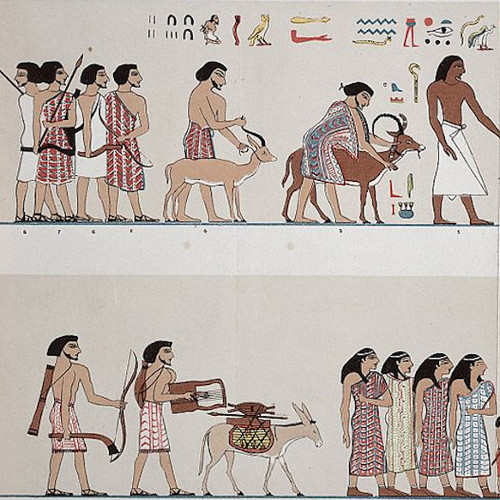 Canaanites and Semites
Canaanites and Semites
Canaan was the key Semitic-speaking region in the Ancient Near East around 2000 BC corresponding to the Levant in the Bible. This includes the area of Phoenicia, Israel, Philistia and other nations. All people in this region shared the similiar languages, culture and ethnic background - this included the Israelites, Moabites, Phoenicians and Ammonites. Archaeological and linguistic evidence shows the Kingdom of Israel and Kingdom of Judah represented a subset of Canaanite culture.
In the Bronze Age, cities like Jerusalem were large and important walled settlements. The Egyptian Pharaoh Rameses II had to campaign vigorously in Canaan to maintain Egyptian power. Egyptians setup permanent fortress garrisons in Moab and Ammon.
During the Iron Age, southern Canaan was dominated by the kingdoms of Israel and Judah, as well as the Philistine city-states on the Mediterranean coast. Northern Canaan was divided into Syro-Hittite states and Phoenician city-states. The entire region was conquered by the Assyrian Empire from the 10th century BC until the 7th century BC. Then the Babylonians took control followed by the Persians. In 332 BC, Alexander The Great conquered Canaan. in the 2nd century BC Rome took control, and then later Byzantium folllowed by the Arab Islamic invasion in the 7th century.
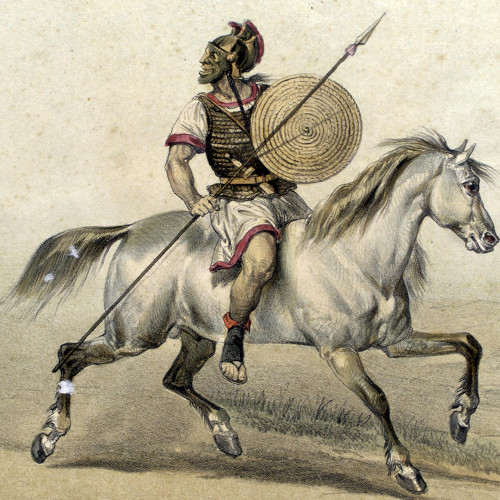 Cantabrians
Cantabrians
Ancient Cantabria was a large tribal federation that lived in the northern coastal region of ancient Iberia. Roman historian Dio Cassius records how the Cantabri were experts at guerrilla warfare tactics against the Roman legions. They knew their difficult and mountainous terrain better and could conduct precision surprise strikes with ranged weapons and ambushes followed by quick retreats causing great damage to the Roman columns and supply lines. The Cantabrian forces were armed with short spears, javelins, lances and oval shields made of wood - as well as the bipennis, a double-headed battle axe specific to northern Hispania. After their defeat by Augustus, the Roman army would adopt the same tactics with light cavalry - this defeat was no small feat as it required 8 entire legions as well as the combined Roman navy.
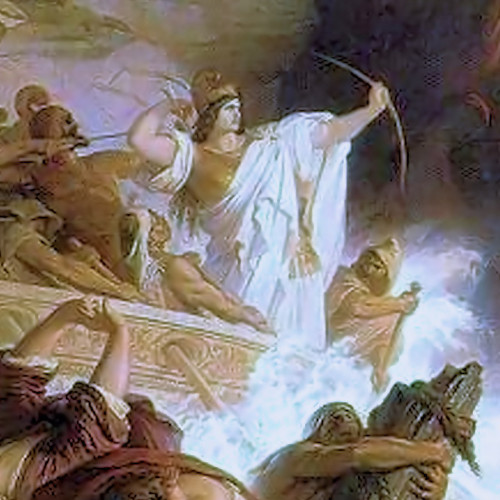 Carians
Carians
Caria was the region of western Anatolia along the coast from mid-Ionia south to Lycia and east to Phrygia including Rhodes. The native people were joined by Ionian and Dorian Greeks settlers creating a new city-state. Carians were described by Herodotus - a Carian native - as being of Minoan descent while the Carians considered themselves Anatolian mainlanders who engaged in seafaring akin to the Mysians and Lydians. They spoke Carian, a native Anatolian language closely related to Luwian an Anatolian Indo-European language. The Mausoleum at Halicarnassus was one of the Seven wonders of the world and built in Caria. One of the most famous Carians was Artemisia, Queen of Halicarnassus. During the Second Persian invasion of Greece in 480-479 BC, Caria was allied with Xerxes I and fought in both the Battle of Salamis where Queen Artemisium commanded a contingent of 70 Carian ships. After the Persians failed, the cities of Caria became members of the Athenian-led Delian League. They were later incorporated into the Macedonian Empire following the conquests of Alexander the Great.
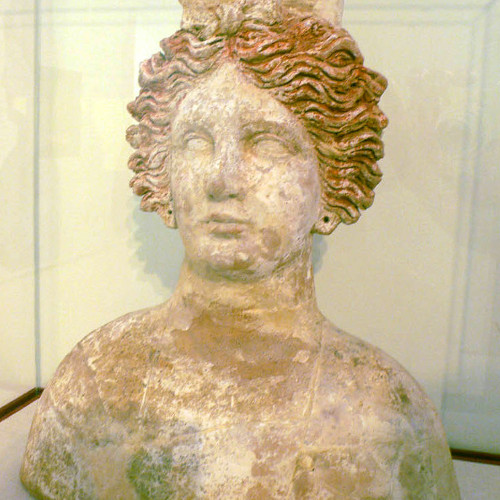 Carthaginians
Carthaginians
According to Roman legend, Phoenician colonists from modern-day Lebanon, led by Queen Elissa, founded Carthage circa 814 BC. Queen Elissa was an exiled princess of the ancient Phoenician city of Tyre. At its peak, the mighty city she founded, Carthage, become known as the "shining city", ruling 300 other cities around the western Mediterranean Sea. The Carthaginian Empire extended over much of the coaster of Northwest Africa as well as most of coastal Iberia and the islands of the western Mediterannean Sea. For much of its histroy, Carthage was on hostile terms with the Greeks in Sicily and the Roman Republic. The city also had to deal with potentially hostile Berbers, the local inhabitants of North Africa. In the Punic Wars against Rome, the Carthaginian General Hannibal Barca led an overland invasion of Italy by crossing the Alps with Elephants. After crushing victories over Roman armies in the battle of Trebia and Trasimene, Hannibal led a crushing defeat of the Romans at Cannae. In 146, after the third and final Punic War following hundreds of years of conflict, Roman forces destroyed Carthage. They utterly destroyed the city, enslaved whoever was still alive and poured salt all over the land to ensure nothing could grow back.
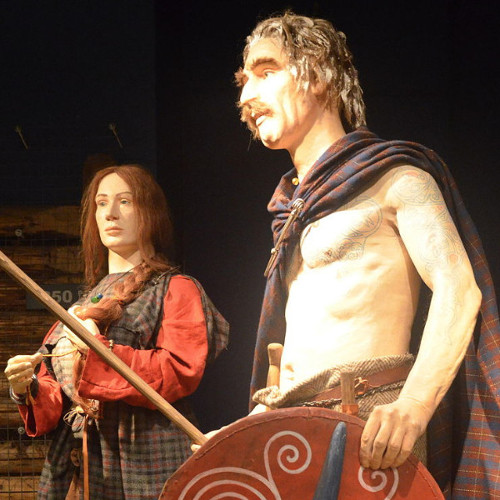 Celts
Celts
Celts
The ancient Celts were various population groups and tribes living in mainland Europe from the Late Bronze Age onwards. Tribes included the Gauls, Helvetii, Scordisci, Serdi, Boli and Iceni among others. Wherever Celts settled, they spoke related languages and maintained the same artistic traditions. Celtic warriors were known for long hair and imposing physique. By serving as mercenaries for Carthage against Rome, the Celts gained a reputation for being fierce warriors and skilled horsemen who fielded chariots into battle. Celts used musical instruments called carnyces which were used to frighten the enemy before combat. Greek art depicts their distinctive long shields and long swords. Among insular Celts, women could take a warrior role - Boudica was the queen of the Iceni tribe who formed a rebellion against Roman occupation of Britain.
Celtic art can combine geometric decoration with figurative subjects in a extremely stylised manner.
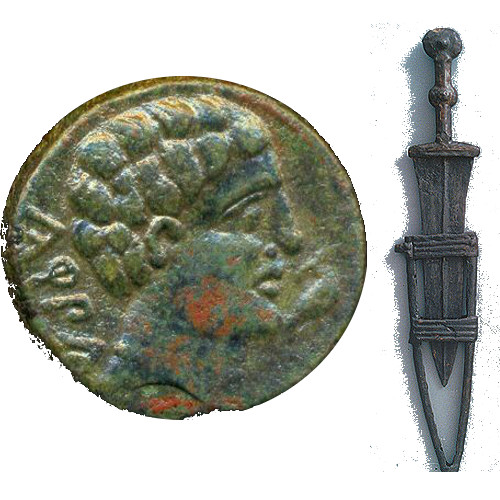 Celtiberians
Celtiberians
The Celtiberians were a group of Celticized peoples (intermarried Celts and Iberians) living in the central-eastern Iberian Peninsula in the final centuries BC. They spoke a Celtiberian language using the Iberian alphabet. They were engaged in battle with the Romans until 72 BC when the entire region became part of the Roman province Hispania Citerior. The subjugated Celtiberians waged a protracted struggle against the Roman conquerors staging numerous uprisings. The culture combined cattle-raising pastoralists with warrior elite centered in the hill-forts or castros that controlled small grazing territories and preferred two-edged swords and spears in combat. Celtiberians were the most influencial ethnic group in Iberia when Carthage and Rome arrived. During the second Punic War against Rome, the Celtiberians served as mercenaries for Carthage. After Rome's eventual victory against its rival Carthage, Rome punished all former allies of its nemesis and went about 'pacifying' the Celtiberians. In desperation, the Celtiberians joined their Lusitanian neighbors under the infamous Viriathus in open rebellion against Roman rule.
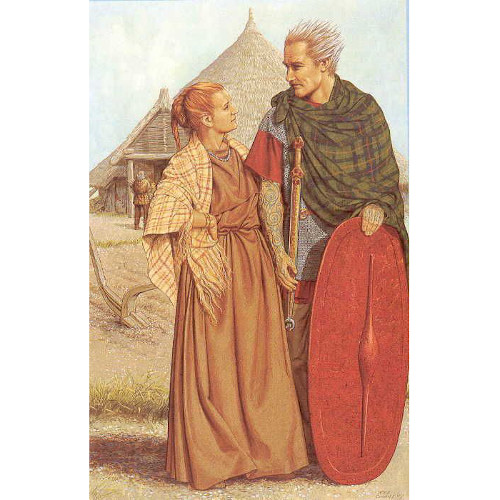 Celtic Brigantes
Celtic Brigantes
Territorially the Brigantes were the largest Celtic tribe in Britain. The name stems from the same Proto-Celtic root as the goddess Brigantia meaning elevated or prestige - perhaps they saw themselves as highlanders living in elevated fortifications along the Pennines. During the Roman conquest of Britain, Queen Cartimandua led the Brigantes and formed a large tribal agglomeration that was loyal to Rome. She became incredibly wealthy and influential across Britain after helping Emperor Claudius defeat the Welsh tribes. Her husband Venutius divorced and led a series of revolts against her and Roman rule. Eventually Cartimandua appealed for troops from the Romans, who only could offer auxillaries. They successfully evacuated her leaving Venutius in control of a kingdom at war with Rome. It took decades for the Romans to subjugate the Brigantes - it is thought Hadrians Wall was built to prevent them from joining with the Scottish tribes on the other side.
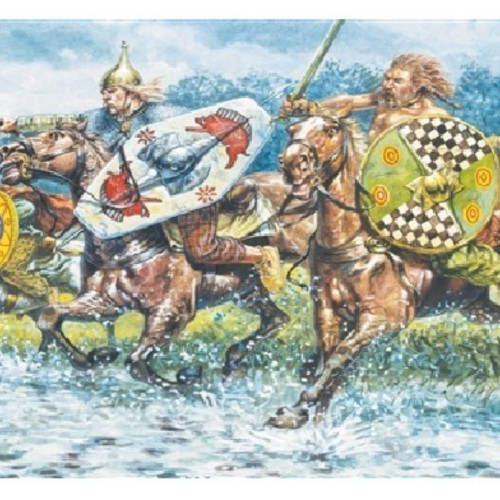 Celtic Cantiaci
Celtic Cantiaci
As Julius Caesar first encountered the Cantiaci in 54 BC, he mentions they were by far the most civilized tribe in Britain and shared similar customs with the Gauls. Their former capital Durovernum Cantiacorum became the modern city Canterbury. Famed for their spirited resistance against Roman conquest, these tenacious warriors and skilled horsemen leveraged the natural fortifications of their homeland to stage daring guerrilla attacks. In their societal hierarchy, the Cantiaci placed immense value on both kinship and craft, excelling in metalwork and pottery, which were traded far and wide across the Celtic world. Their spiritual life was deeply connected to the land, with sacred groves and natural springs playing central roles in their worship and daily rituals.
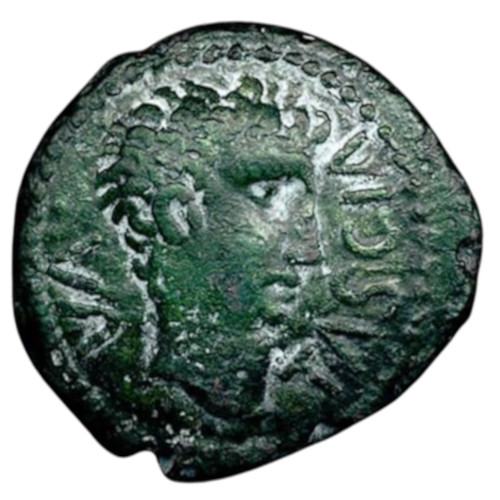 Celtic Catuvellauni
Celtic Catuvellauni
The Catuvellauni were a tribe of formidable warriors and shrewd traders who thrived in what is now southeastern England during the Iron Age and early Roman periods. Renowned for their fierce resistance against Roman invasion, they were led by charismatic leaders like Caratacus and Tasciovanus, whose military prowess became legendary. This tribe was not only battle-hardened but also economically savvy, controlling lucrative trade routes that linked them to the broader European continent. The Catuvellauni were architectural innovators as well, constructing sophisticated hillforts like the impressive stronghold at Verlamion (modern St. Albans), which showcased their wealth and organizational skills. Their society was rich in culture, featuring intricate metalwork and coinage that bore distinctive designs symbolizing their tribal identity and prowess. The name Catuvellauni stems from the Celtic root catu- (combat) and uellauni/wellauni (chiefs). They likely relate to the Catalauni Belgic tribe which was based in the modern Champagne region.
 Celtic Corieltavi
Celtic Corieltavi
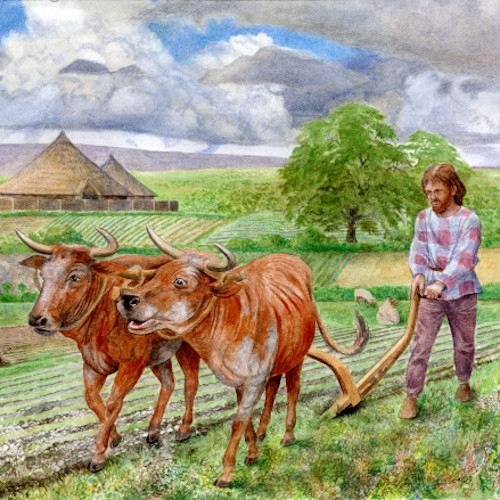
The Corieltavi were a largely agricultural Celtic people based in the East Midlands of England. They were a federation of self-governing tribal groups who began producing inscribed coins with two to three names on them at a time suggesting multiple rulers. Later coins featured the high king of the region along with three sub-kings. It is thought they offered little resistance to Roman rule - the capital of Ratae - modern Leicester - was captured by the Romans in 44 AD and held a Roman garrison. They bordered the Brigantes to the north, the Dobunni and Catuvellauni to the south and the Iceni to the east. Their villages consisted of round huts surrounded by banks and ditches. The land had large deposits of ironstone and had significant salt production produced from sea water.
 Celtic Dobunni
Celtic Dobunni
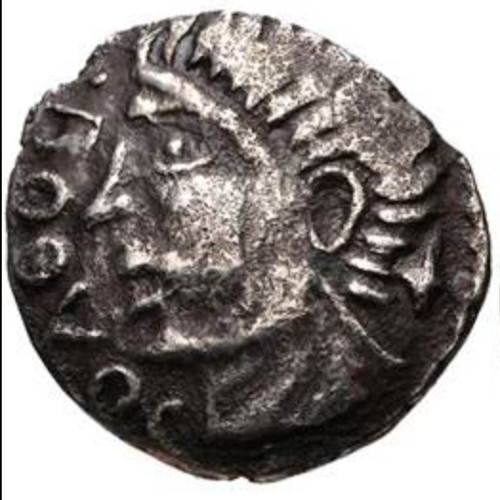
The Dobunni were a Celtic tribe based in central Britain whose capital was located in Cirencester, the largest town in the Cotswolds. They were primarily farmers and craftsmen living in small villages in fertile valleys. Roman historian Dio Cassius first mentions them by name and they were described as a non-warlike tribe who easily capitulated to the Romans and easily adopted a Romano-British lifestyle. Their goddess was named Cuda, associated with the Cotswold Hills and its rivers and springs. They were also known to be one of the local tribes who issued coins before the Roman arrival.
 Celtic Dumnonii
Celtic Dumnonii
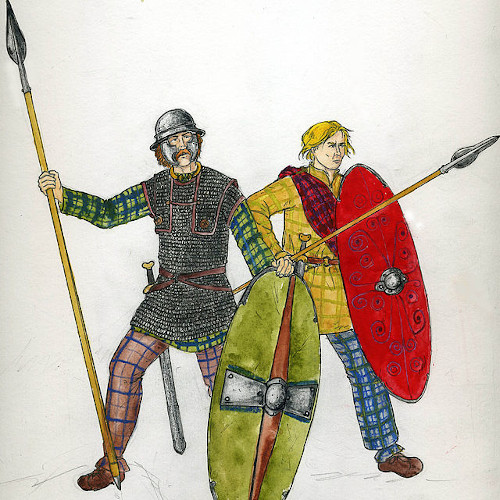
This ancient Celtic confederation of Southwest Britain were known as the Deep Valley Dwellers and spoke the language which became later Cornish and Breton. They shared a cultural connection with Gaul rather than much of ancient Britain. Dumnonia is known for having many settlements which survived the Romano-British period - but rather surprisingly without villas - instead the settlements were isolated and enclosed farmsteads known locally as rounds. As in most other Brythonic areas, there were numerous Iron Age hill forts such as Hemsbury Castle which were used by the kings or chieftains.
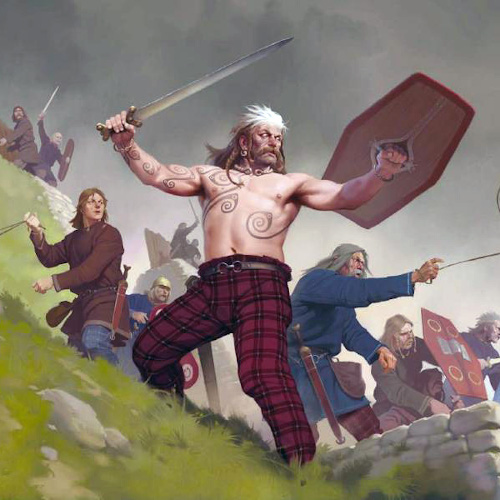 Celtic Durotriges
Celtic Durotriges
The Celtic Durotriges tribe settled in the area now known as Dorset in southwest England. The name translates to fort dwellers of which they had many fortified hill forts including ones on Ham Hill and Maiden Castle. They issued their own coinage before the Roman conquest which featured horses and gemoetric patterns.
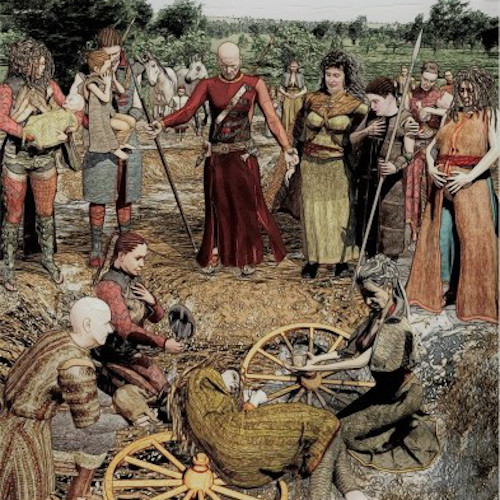 Celtic Parisi
Celtic Parisi
The Celtic Parisi were a powerful tribe located in East Yorkshire and considered by many historians to be related to the Parisii tribe of Gaul due to shared customs - this includes large cemeteries including chariot burials and sword burials. They were a distinctive group of people who farmed the chalk hills of the Yorkshire Wolds. They wore British style ornaments and crafted British style pottery, but kept separate from their large powerful neighbors such as the Brigantes. Their graves were divided by social classes with some warrior graves containing elaborate swords crafted with raised inlays made of enamel, horn, antler and whale ivory.
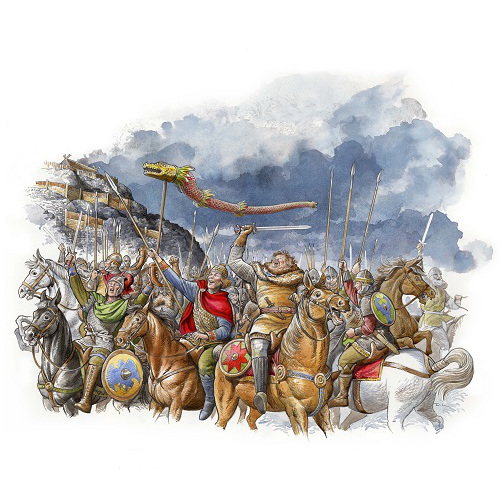 Celtic Votadini
Celtic Votadini
The Votadini tribe was a Celtic tribe occupying the eastern coastal section of southern Scotland and north-eastern England bordering the Brigantes to the south. It is thought Edinburgh was located at the heart of Votadini territory. The first known hill forts in this region appear around 1500 BC but the early Celtic settlers first appear here around 750 BC. Around 80-82 BC, the Romans arrived in Votadini territory with the Twentieth and Ninth Legions meeting up to setup permanent garrisons near Edinburgh. However following a revolt by the northern Brigantes against Roman Rule, the Romans give up the north in 100 AD to setup defences further south along the Tyne-Solway line.
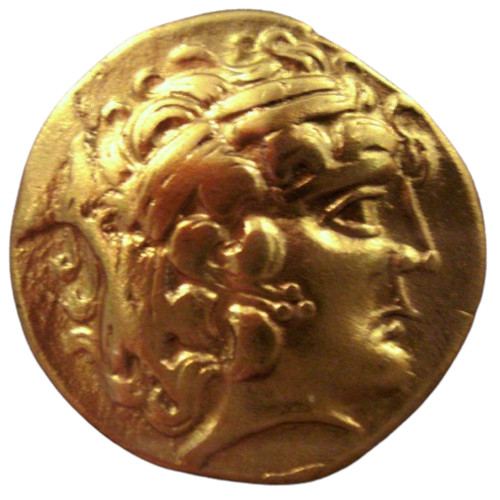 Cenomani
Cenomani
The Cenomani, a fierce and formidable tribe of the ancient Gauls during the late Iron Age. Allied with Rome during the Gallic Wars, they played a strategic role under the leadership of Julius Caesar, contributing significantly to the military efforts against other Gallic tribes. Renowned for their valor in battle and skilled horsemanship, the Cenomani leveraged their prowess to influence the power dynamics within Celtic Gaul. In alliance with the Romans, they played a crucial role in the decline of the Etruscan civilization during the late stages of Etruscan power in Northern Italy. They invaded and settled in the Etruscan territories north of the Po River, particularly in the area around modern-day Brescia, significantly contributing to the assimilation and eventual dissolution of distinct Etruscan cultural and political identity in that region. The Cenomani, like many other Celtic tribes, practiced a polytheistic religion deeply intertwined with nature, venerating a pantheon of deities that governed natural phenomena and human affairs. Their religious practices included rituals and sacrifices led by Druids. Recent finds show many Cenomani were buried with their pets who would join them in the afterlife.
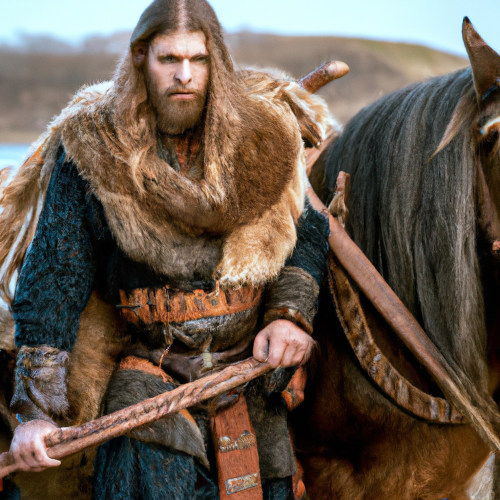 Germanic Chauci
Germanic Chauci
The Chauci were an ancient Germanic tribe living in the low-lying region between the Rivers Elbe and Ems. The Chauci inhabited the Continental European coast from Zuyder Zee to south Jutland along with the nearby Frisians, Saxons and Angles. However the Chauci in particular made peace with the Romans and in fact provided Roman auxiliaries to serve all over the Limes border between the Roman Empire and Germania. Tacitus describes the Chauci homeland as immense, densely populated and well-stocked with horses. He describes them as the noblest of the Germans, preferring justice to violence - neither aggressive nor predatory, but ready for war if the need arose. Pliny the Elder visited the Chauci coastal region and said they lived on a barren coast in small cotttages and huts on hilltops. They fished for food, had no cattle and drank rainwater. He says they had a spirit of independence and resent for anyone who attempted to conquer them.
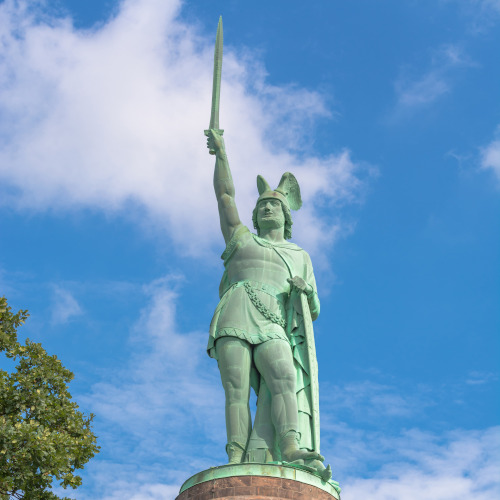 Germanic Cherusci
Germanic Cherusci
The Cherusci inhabited parts of the plains and forests of northwestern Germany in the area of the Weser River and present-day Hannover. Famous chieftain Arminius led the Germanic tribes to victory at the Battle of the Teutoburg Forest in 9 AD - destroying 3 entire Roman legions under command of Publius Quinctilius Varus in what is considered one of Romes greatest defeats. This prevented Romanization of Germanic peoples east of the Rhine and was a turning point in history - Germanic peoples would fight Rome for 700 years. Arminius was taken by the Romans as a child, taught latin and Romanized. Despite his Roman upbringing and member of the Equite class, he was not able to turn a blind eye to the suffering of his people. Eventually the Germanic Chatti tribe conquered the Cherusci in 88 AD and the Cherusci began to disappear from records as they were absorbed into later Germanic populations such as the Saxons, Thuringians, Franks, Bavarians and Alemanni.
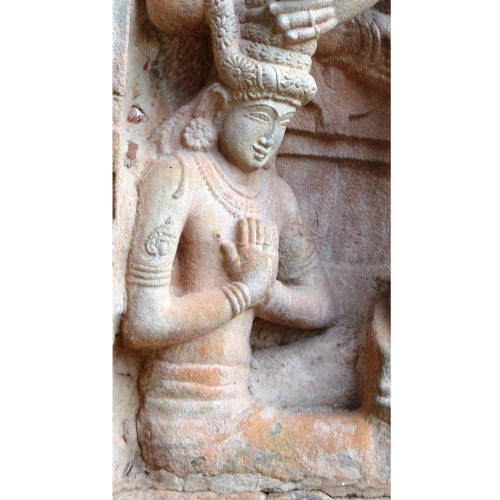 Chola Dynasty
Chola Dynasty
The Chola dynasty was one of the longest-ruling dynasties in history, leaving marks from 300 BC through 1279 AD. The heartland of the Cholas was the fertile valley of the Kaveri River, but the whole of India south of Thungabhadra was united under one rule. Under Rajara Chola I and his successors Rajendra Chola I, Rajadhiraja Chola, Virajendra Chola and Kultothunga Chola I, the dynasty became a military, economic and cultural power in South Asia and South-East Asia with territory stretching from the Maldives, South India, parts of Sri Lanka, Malaysia, Indonesia and the Andaman Islands. The Chola kings were avid builders and envisioned temples in their kingdoms as the centers of both religion and economic activity. Chola art and architecture spread to Southeast Asia.
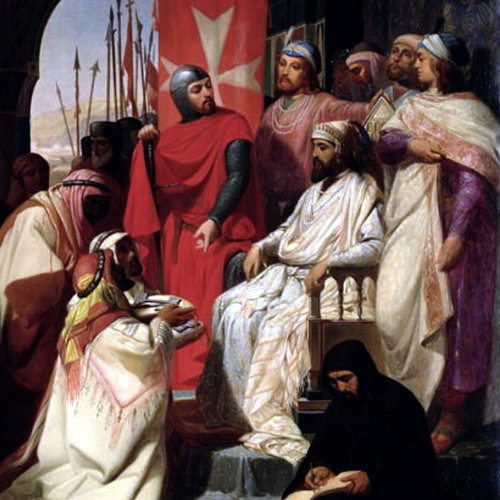 Kingdom of Cilicia
Kingdom of Cilicia
The Kingdom of Cilicia was an Armenian state formed during the High Middle Ages by Armenian refugees fleeing the Seljuk invasion of Armenia. It was centered in the Cilicia region norhwest of the Gulf of Alexandretta. The capital originally located at Tarsus was moved to Sis. Cilicia was a strong ally of the European Crusaders and saw itself as a bastion of Christendom in the East. As Armenia was under foreign occupation at the time it became a focus of Armenian nationalism and culture. When the First Crusade took place, an army of Western European Christians marched through Cilicia on their way to Jerusalem. The Cilicians gained powerful allies with the Frankish Crusaders in particular. With the crowning of Leo I, King of Armenia and the Rubenid dynasty, the Kingdom of Cilicia was born. Commercial and military interactions with Europeans brought Western influences to Cilician Armenian society - including chivalry, fashion in clothing, the user of French titles, names and language. The society gradually shifted from its traditional system to that of Western feudalism. The economy thrived economically the the port of Ayas serving as the center for trade. After relentless attacks by the Mamluks in Egypt in the fourteenth century, the Kingdom of Cilicia fell in 1375. Over 30,000 wealthy Armenians left and settled in Cyprus. Other merchans fled westward and founded or joined other diaspora communities in France, Italy, the Netherlands, Poland and Spain. The humbler Armenians remained and maintained their foothold for centuries to come. The lion, the emblem of the Kingdom of Cilicia, remains a symbol of Armenian statehood today and features proudly on the Coat of arms of Armenia.
 Cimmerians
Cimmerians
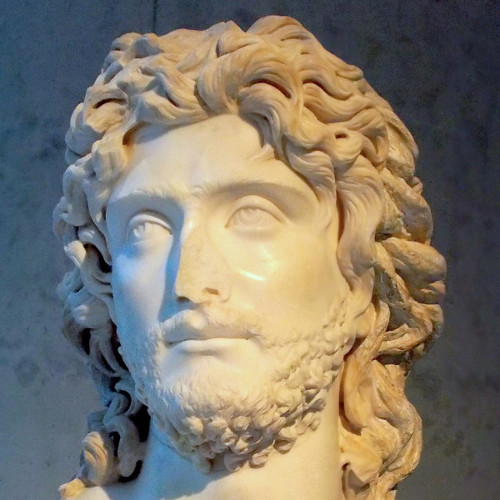
The Cimmerians were a nomadic Indo-European people who appeared around 1000 BC by means of the Caucasus. They inhabited the region north of the Caucasus and Black Sea in what is now Ukraine and Russia. The Cimmerians assaulted Armenia in 714 BC, but were repulsed by Sargon II of Assyria. They then turned towards Anatolia and conquered Phrygia. In 652, the Cimmerians reached their peak by conquering Sardis the capital of Lydia. The Greek city states of Ionia and Aeolis were also attacked. Eventually the Cimmerians were routed by the Lydians, forced out of Anatolia and reportedly settled in modern day Armenia.
 Corinthian Greeks
Corinthian Greeks
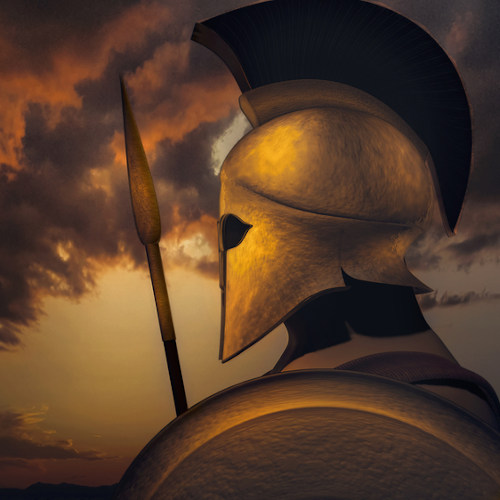
According to Corinthian myth the city of Corinth was founded by Corinthos, a descendant of Zeus himself. Another myth suggests it was founded by the goddess Ephyra, a daughter of the Titan Oceanus - thus the ancient name of the city Ephyra. It seems likely the city was the site of a Bronze Age Mycenaean palace-city like Mycenae, Tiryns or Pylos. It was in Corinth that Jason of the Argonauts abandoned Medea. During the Trojan War, the Corinthians participated under the leadership of Agamemnon. Corinth had nonetheless remained a backwater until 747 BC when Corinth became a unified state with large public buildings and monuments being constructed. Increased trade began with Greek colonies in Sicily and Italy. By classical times Corinth rivaled Athens and Thebes in wealth based on the Isthmian traffic and trade. Herodotus who is considered to have disliked the Corinthians mentions they were considered the second best fighters after the Athenians.
 Curonian
Curonian
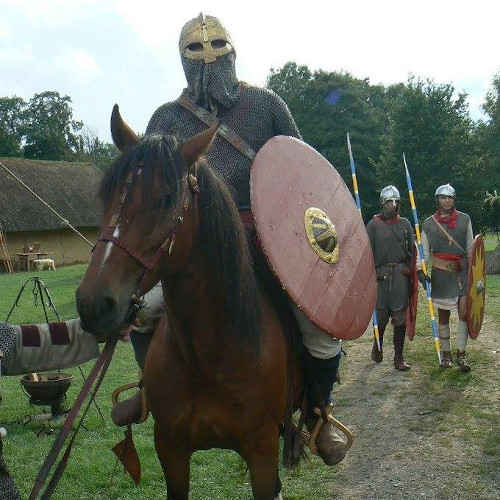
The Curonians were a fierce Baltic tribe living on the shores of parts of Latvia and Lithuania from the 5th to 16th centuries. They gave their name to the region of Courland and spoke the Curonian language. They were fierce and warlike known for seafaring skills and raids on neighboring lands. They were polytheists and worshipped a variety of gods including Perkunas, the god of thunder and lightning - Perkelete was also the original name of the ancient Finnish thunder god. Curonians had close ties to Gotland and relations between Gotlanders and Curonians are well documented during the early Medieval and Late Viking Age. Curonians even had an outpost on Gotland and Gotlanders had settlements in the East Baltic right next to Curonian settlements. Eventually these fierce Baltic tribes were conquered by the Teutonic Order in the 13th century but retained their language and culture for centuries later.
 Dacians
Dacians
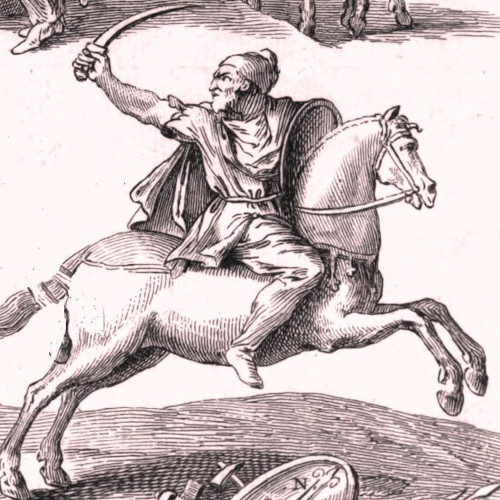
The Dacians were also known as the Geta in Ancient Greek writings and Getae in Roman documents. They were the ancient inhabitants of Dacia - a region near the Carpathian Mountains and west of the Black Sea - this includes parts of many modern day countries including Serbia, Bulgaria, Romania and Slovakia. They spoke the Dacian language which is thought to be related to nearby Thracian although the Scythian and Celtic cultures had a significant impact on the Dacians. King Burebista successfully unified the Dacian states into a formidable power which threatened Rome. He conquered the Boii, Taurisci and Scordisci with raids into Thrace, Macedonia and Illyria. As soon as the Dacians began capturing Greek cities on the Black Sea Rome got involved. Burebista sided with Pompey against Caesar - in 44 BC when Caesar was assassinated, Burebista met the same fate.
 Danii
Danii
Danii
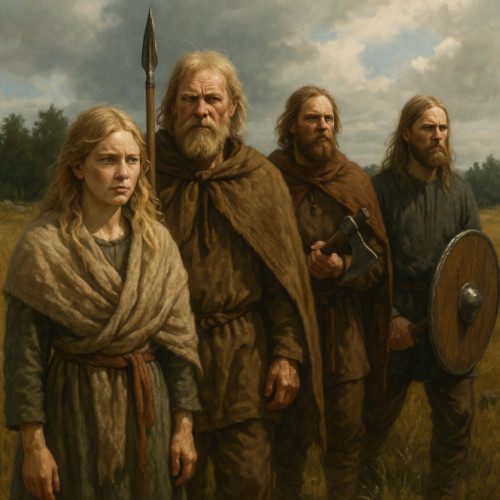
According to ancient lore and early medieval accounts, the Danii descended from powerful sea kings and warriors who emerged from the misty forests and stormy coasts of early Scandinavia, where gods and men once walked side by side. Roman historians like Jordanes and Procopius described them as a fierce northern tribe who rose from the frozen lands to replace the Gothic peoples, their lineage shrouded in both myth and migration. By the 4th century AD, the Danii had forged a name across the dark northern seas and set the stage for the Viking Age in Denmark.
 Daunii
Daunii
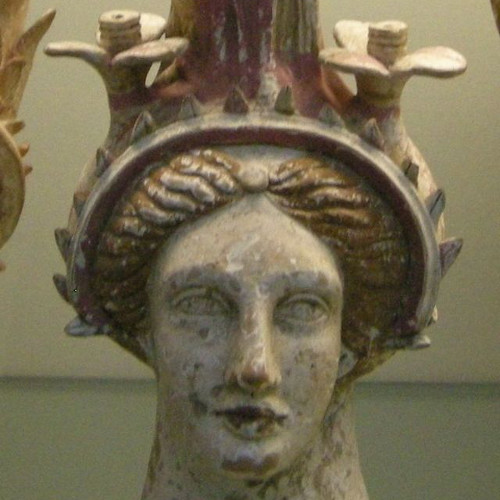
According to the Greek legend, the Illyrian king Lycaeon had 3 sons named Iapyx, Daunius and Peucetius who led their people across the Adriatic Sea into south-eastern Italy where they settled and mixed in with the native pre-Italic population. The Daunii were an Iapygian tribe who inhabited the northern part of Apulia in Italy. Far enough from the Greeks in southern Italy, the Daunii developed a localised culture of their own. In fact numermous authors from antiquity such as Virgil and Servius have claimed the Daunians presence extended quite far including the Etruscan city of Ardea near Rome. During the Imperial age, the regions of Apulia and Calabria became production houses of grain and oil - forming the main export route for the eastern provinces of Rome. The Daunii gradually were absorbed into the Empire and lost their individual identity.
 Early Croats
Early Croats
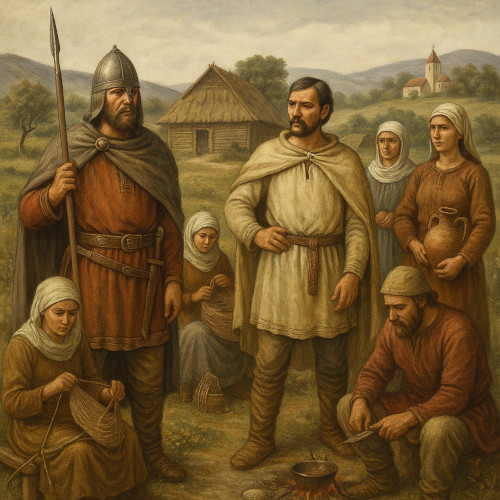
The Early Croat civilization began with a bold migration from White Croatia, a distant land believed to lie in todays southern Poland or western Ukraine, where the Croats first took shape as a proud tribal people. Around the 7th century, they journeyed south into the sun-drenched hills of Dalmatia, carving out a new homeland in the heart of the Balkans. These early Croats weren’t just settlers - they were warriors and diplomats, forging alliances with the powerful Byzantine Empire, which granted them land in exchange for military aid. One legendary figure, Duke Trpimir, left a lasting mark in the 9th century by strengthening Christian institutions and laying the foundations for what would become the Kingdom of Croatia. The early Croats rose quickly from tribal origins to become a key player in the politics of East and West, standing between Rome and Constantinople, and shaping a legacy that still echoes through Croatian identity today.
 Early Slavs
Early Slavs
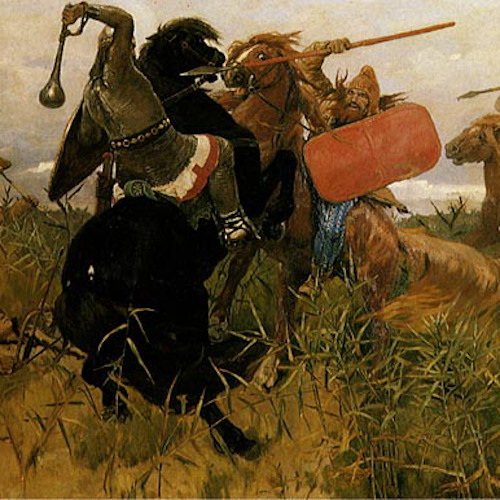
The early Slavs were a diverse group of tribes who lived in Eastern Europe between the 5th and 10th centuries and created the foundation of Slavic nations to come. The Byzantine historian Procopius of Caesarea described these people as tall and especially strong, with reddish auburn hair. He reported how they would fight on foot carrying shields and spears, preferring ambush and guerrilla tactics to open warfare. Byzantines would employ these Early Slavs as mercenaries. However, various nomadic horseback tribes such as the fierce Scythians, Sarmatians and Alans were on the Eurasian Steppes around the Black Sea and absorbed into the Slavic population over time. Such close contact with these societies transformed Slavs into very skilled horsemen. Use of cavalry enabled the Slavs to expand rapidly southwest into the Balkans, the Alps and northeast toward the Volga River. Typically these early Slavic nations were known to have lived in a democracy avoiding rule of any single chief. Settlements were not uniformly distributed, but rather found in clusters which were linked by familial or clan relationships. The first historical Slavic state was founded by Samo, followed by Bulgaria in 681 AD, followed by Great Moravia, Carantania, Pannonia, Croatia, Serbia and the Obotrites.
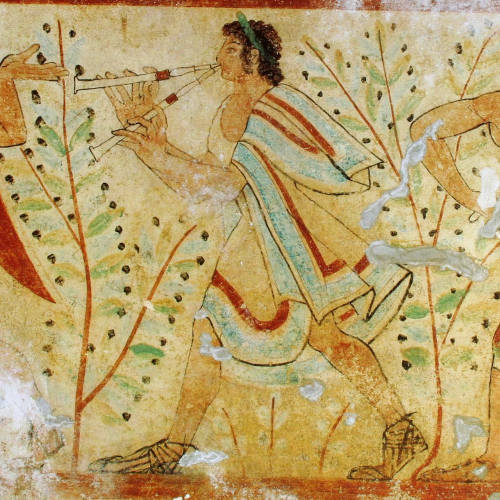 Etruscans
Etruscans
The Etruscan civilization was highly advanced and developed in Italy around 900 BC and their homeland was called Etruria. They would call themselves Rasenna, Greeks would refer to them as Tyrrhenians, Romans as the Tusci. Herodotus claims they were migrants from western Anatolia whereas Hellanicus of Lesbos claimed they hailed from Thessaly. Etruscan culture was very similiar to Magna Graecia in the south, although considerably more aristocratic. Their mining of copper and iron led to an enrichment of the Etruscans and an expansion of their influence in Italy and the western Mediterranean Sea. The Etruscans allied themselves with Carthage in an attempt to control trade and gain influence. By the 4th century, Etruria was dealing with Gallic invasions from the north and Rome annexing its cities to the south. The Roman-Etruscan wars would bring its final defeat as the Etruscans assimilated fully into the Roman Republic.
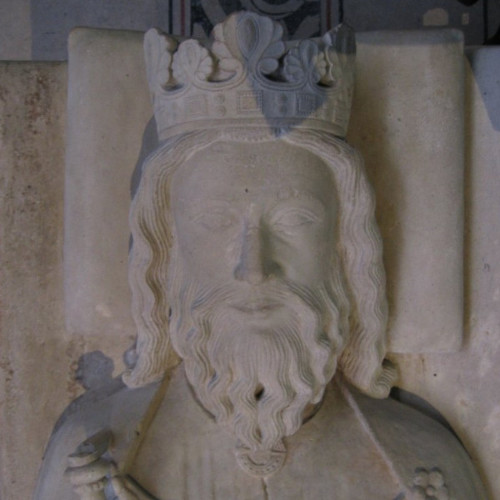 Franks
Franks
Francia, also known as the Kingdom of the Franks was the largest post-Roman barbarian kingdom in Western Europe. It is the predecessor of the modern states of France and Germany. Francia was among the last surviving Germanic kingdoms from the Migration Period era before its partition in 843. The core Frankish territories inside the former Western Roman Empire were close to the Rhine and Maas rivers in the north. After a period where small kingdoms inter-acted with the remaining Gallo-Roman institutions to their south, a single kingdom uniting them was founded by Clovis I who was crowned King of the Franks in 496. The geography of the Frankish realm varied over time, but a basic split between eastern and western domains persisted. The eastern kingdom Austrasia centered on the Rhine and Meuese and expanded eastwards into central Europe. The western kingdom Neustria was founded in Northern Roman Gaul. In Germany there are prominent places nameed after the Franks such as the region of Franconia (Frankfurt) and Frankenstein Castle.
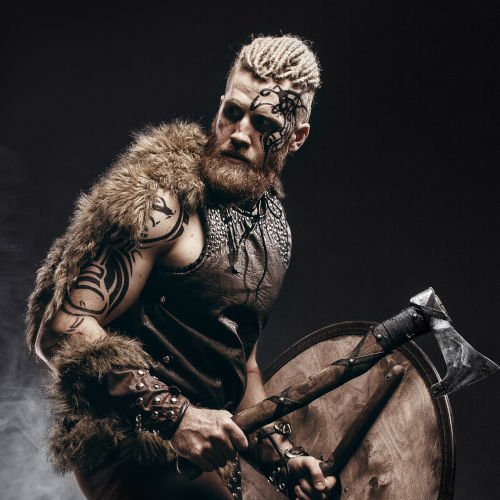 Frisii
Frisii
The Frisii were an ancient Germanic tribe that lived in the delta of the Rhine, Meuse and Scheldt rivers - a generally low-lying area. containing many islands. Although their lifestyle was agrarian, they stood up against the Roman invaders who had decimated their herds and taken their women into bondage. The Frisii slaughtered 1300 Roman soldiers in Baduhennas Wood and gained respect among their neighboring Germanic tribes. They eventually made peace with the Romans with significantly lower taxes than before. Between the 3rd and 5th centuries AD, sea levels rose and the Frisii were forced to relocate. Two centuries later the Angles and Saxons re-settled the former Frisii region. Eventually these settlers would be referred to as Frisians, although they were not necessarily descended from the ancient Frisii. The Old Frisian language however is considered more related to Old English than to the old Saxon language.
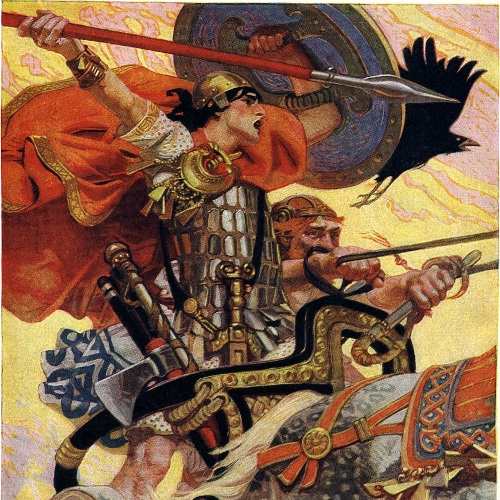 Gaels
Gaels
Gaels
The Gaels are a group native to Ireland, Scotland and the Isle of Man who are associated with the Gaelic language which originated in Ireland. When the Romans arrived to Britain, the Gaels traded with them. During the Middle Ages, Gaelic culture became dominant in parts of Scotland and the Isle of Man with even some Gaelic settlements in Wales. Gaelic Ireland was made up of several kingdoms with a High King claiming lordship over them. Traditional Gaelic society is organised into clans with a king or chief elected through tanistry. Pre-Christian Irish were pagans who worshipped the Tuatha De Danann and believed in an Otherworld. Their four yearly festivals of Samhain, Imoic, Beltane and Lughnasa continue to be celebrated even today. In the 12th century, Anglo-Normans conquered much of Ireland and even Normanized parts of Scotland. However Gaelic culture remained especially strong in the west of Ireland and the Scottish Highlands. Furthermore the rich Irish mythology was preserved and recorded by medieval Irish monasteries.
 Galatians
Galatians
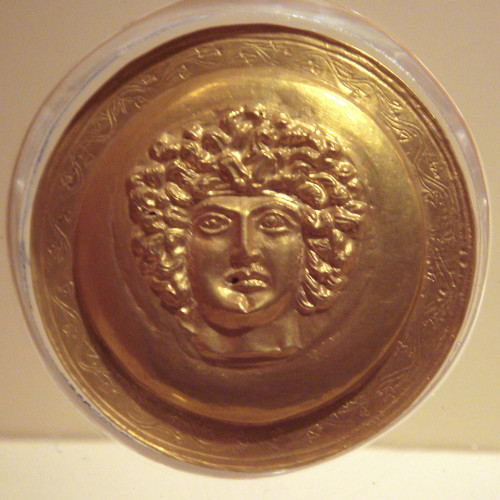
Ancient Galatia, a land where the echoes of Celtic war cries met the intricate tapestry of Anatolian culture, stands as a testament to the vibrant collision of worlds. Here, fierce Galatian warriors, draped in their distinctive checkered cloaks, clashed and intertwined with the sophisticated realms of the Hellenistic age. This melting pot of cultures birthed a unique society, where the enigmatic Druidic traditions mingled with the refined artistry of the East, creating a fascinating historical mosaic that still captivates the imagination today. Galatians were warriors, respected by Greeks and Romans. They were often hired as mercenary soldiers, sometimes fighting on both sides in the great battles of the times. For years the chieftains and their war bands ravaged the western half of Asia Minor. They spoke Galatian, a language closely related to Gaulish.
 Galicians
Galicians
After the fall of the Visigoths, the Galicians stood on the rugged Atlantic frontier of Iberia, where Christian kingdoms like Asturias and later Leon began their long fight against Muslim Al-Andalus. They spoke Galician-Portuguese, a vibrant Romance tongue that blossomed into one of medieval Europes greatest poetic languages, sung by troubadours from Santiago to Coimbra. The Galician lands were dotted with monasteries and pilgrimage routes, crowned by Santiago de Compostela, which became one of Christendoms most sacred shrines. For centuries, Galicia and northern Portugal formed a shared cultural world, until the rise of an independent Portugal in the 12th century set the two peoples on separate historical paths.
 Gallo-Romans
Gallo-Romans
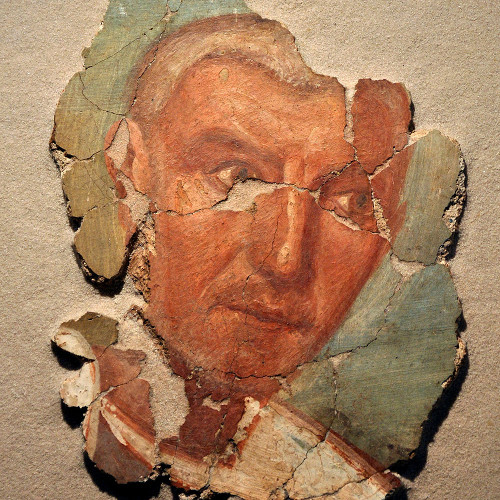
The term Gallo-Roman describes the Romanized culture of Gaul under the rule of the Roman Empire. This was characterized by the Gaulish adoption or adaptation of Roman morals and way of life in a uniquely Gaulish context. The well-studied meld of cultures gives historians a model against which to compare and contrast parallel developments of Romanization in other, less-studied Roman provinces. Interpretatio romana offered Roman names for Gaulish deities such as the smith-god Gobannus, but of Celtic deities only the horse-patroness Epona penetrated Romanized cultures beyond the confines of Gaul. The barbarian invasions beginning in the early fifth century forced upon Gallo-Roman culture fundamental changes in politics, in the economic underpinning, in military organization. The Gothic settlement of 418 offered a double loyalty, as Western Roman authority disintegrated at Rome.
 Gauls
Gauls
Gauls
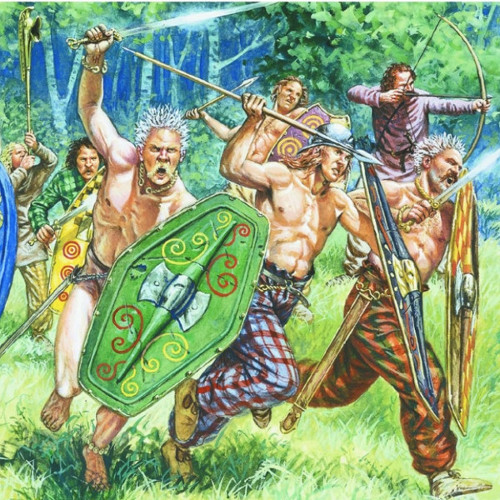
The Gauls were Celtic tribes who lived predominantly in eastern and southern France. They had a complex political system involving clans run by a council of elders. A king would have much of their powers held in check by the council. Gaul tended to be politically divided and only during dangerous times such as the invasion by Julius Caesar, could the Gauls unite under a single leader like Vercingetorix. After the Roman conquest of Gaul, the land was split into provinces and people divided into 3 groups - the Belgae (the bravest and furthest from civilization), the Galli/Celts, and the Aquitani towards Spain.
Gauls practiced animism and worshipped animals. Druids presided over human or animal sacrifices in wooded groves or crude temples. The druids were key to preserving festivals and the lunar-solar calendar. Gauls would nail heads of enemies to walls or dangle them from the necks of horses to instill fear.
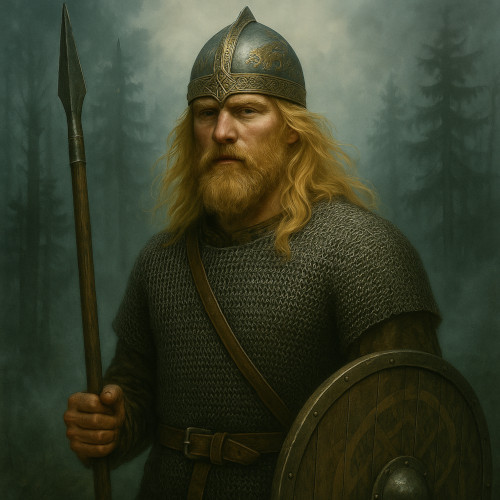 Scandinavian Geats
Scandinavian Geats
The epic of Beowulf describes legendary tales about Swedish Vendel times, where great wars called the Swedish-Geatish wars between the Geatish house of Wulfling and the Swedish house of Scylfling - Beowulf was himself a Geat. They were a larger North Germanic tribe who inhabited Gotaland (land of the Geats) in southern Sweden from antiquity until the late Middle Ages. Along with the Gutes in nearby Gotland and the Svear to the north, this tribe eventually became merged with the population of Sweden.
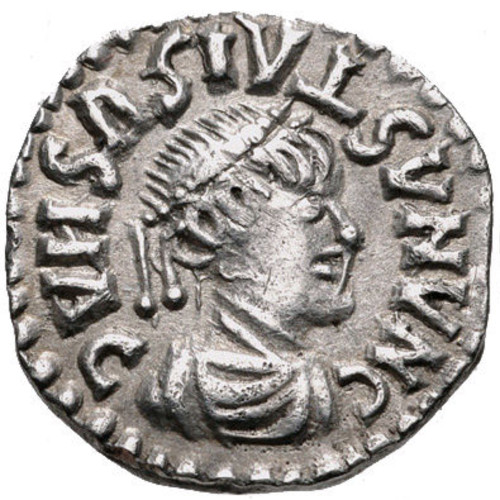 Gepids
Gepids
Gepids were a Germanic tribe realted to the Goths, described as tall and blond-haired. The Gepids fought alongside the Huns against the Roman Empire around 440 AD. Later the Gepids founded a kingdom known as Gepidia in the eastern regions fo the Carpathian basin. They helped form a coalition to fight the Ostrogoths who ruled Pannonia. They reached their peak in 537 and settled further near modern Serbia. In 546 the Byzantines allied with the Lombards and crushed the Gepids. Any remnants were defeated by the Avars in 567 who took over all the former Gepid lands.
 Ghaznavid Dynasty
Ghaznavid Dynasty
The Ghaznavid Dynasty was a Persianate Muslim dynasty fo mamluk origin that ruled over Iran, Afghanistan, Tajikistan, Pakistan, and the northwest Indian subcontinent from 977 to 1186. Although the dynasty was of Central Asian Turkic origin, it was Persianised in terms of language, culture, literature and habits and included a diverse population. Sabuktigin founded the dynasty and his son Mahmud of Ghazni delcared indepedence from the Samanid Empire expanding the Ghaznavid Empire to the Indus River and Indian Ocean. Control of the western territories was lost to the Seljuq dynasty resulting in restriction of its holdings to Aghasnistan, Pakistan and Tajikistan. The Ghaznavid court was renowned for its support of Persian literature and as a result Persian literary culture enjoyed a renaissance under their rule. Numerous Persian poets joined the court including Manuchehri who focused on poems related to the merits and advantages of drinking wine. Ghazni became the center of learning and Persian culture spread to Lahore which later produced the famous poet Masud Sa'd Salman. Lahore, under Ghaznavid rule in the 11th century, attracted Persian scholars from Khorasan, India and Central Asia to become a major cultural center. This culture blossomed until the Mongol invasion.
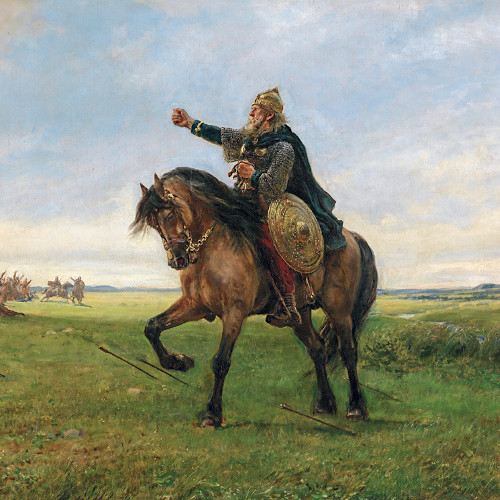 Goths
Goths
Goths
The Goths were a Germanic tribe whose origins stemmed from the island of Scandza in Scandinavia. Over the years they slowly migrated southwards eventually to the Black Sea and into the Roman Empire. They had a written language with Runic inscriptions. It is said they worshipped the god of war and would hang human arms from trees and perform human sacrifices of prisoners. In 395 AD, the Gothic leader Alaric rose to power and had a plan to seize good farmland and monetary rewards from Romans. He became an outlaw of both the Western and Eastern Roman Empires and eventually there was a massacre of Gothic settlers near Constantinople in 400 AD. Sensing weakness with the Western half, Alaric found supporters with other outlaws of Rome - as well as runaway slaves. He camped an army outside Rome and sacked the city in August 410 AD. In the 5th century the Gothic tribes had split clearly into two Kingdoms built on the ruins of the former Western Roman Empire. The Visigoths ruled in Iberia and the Ostrogoths ruled over Italy.
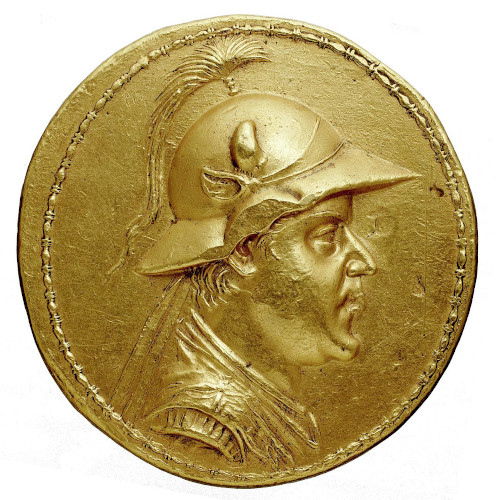 Greco-Bactrian Kingdom
Greco-Bactrian Kingdom
Diodotus founded the Greco-Bactrian Kingdom when he seceded from the Seleucid Empire around 250 BC and became King Diodotus I of Bactria. The Greco-Bactrian Kingdom was, along with the Indo-Greek Kingdom, the easternmost part of the Hellenistic world and was centered on the north of present-day Afghanistan. The new kingdom was highly urbanized and considered one of the richest in the Orient. The Greek historian Strabo wrote that the Greco-Bactrians extended the empire even as far as China. Statues of Greek soldiers have been found from this time period in China and may have influenced the manufacture of the famous Teracotta army. The Indian emperor Chandragupta who founded the Mauryan dynasty ensured each Mauryan emperor had a Greek ambassador at his court. Some of the Greek populations remained in northwestern India and convereted to Buddhism. The Greco-Bactrian city of Ai-Khanoum interacted closely with the Indian subcontinent and shared the rich Hellenistic culture of the time. The Greco-Bactrians were involved in fighting the Parthians and Scythians with a multi-ethnic force of Greek colonists armed with pike phalanxes and mercenary javelin-wielding Thrueophoroi. The cavalry would also incorporate Indo-Iranian light horsemen. Greco-Bactrians were known for high level of Hellenic sophistication and kept regular contact with both the Mediterranean and India.
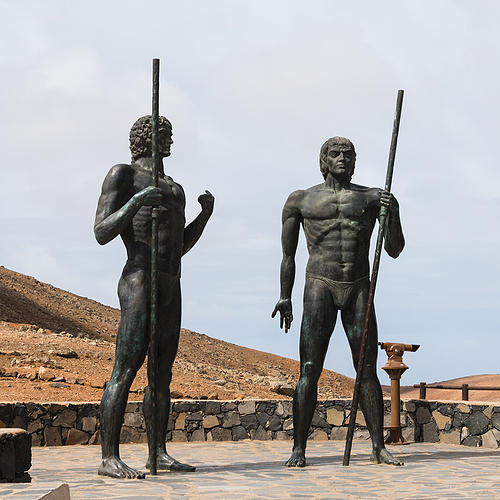 Guanches
Guanches
The mysterious Guanches arrived on the Canary Islands at least 3000 years ago and originated from the Berber region of North Africa. They brought goats, pigs, and dogs with them from the mainland and are thought to have largely relied off goat herding and grain crops. No metal has been found in Guanches settlements so all tools were made of wood, stone and bone. Jewlery was crafted from bone, clay beads and shells. Many people lived in caves or circular houses made of stone with thatched rooves. 9 kingdoms were formed on Tenerife and during times of war combat ensued using wooden javelins, maces, obsidian knives and shields from the dragon tree. In some areas people are believed to have worshipped the sun and the mother godess. They remained fairly isolated from the rest of the world until the brief arrival of the Romans in the 1st and 4th centuries AD. In 1402 the Castilian Conquest began with the arrival of the Spanish.
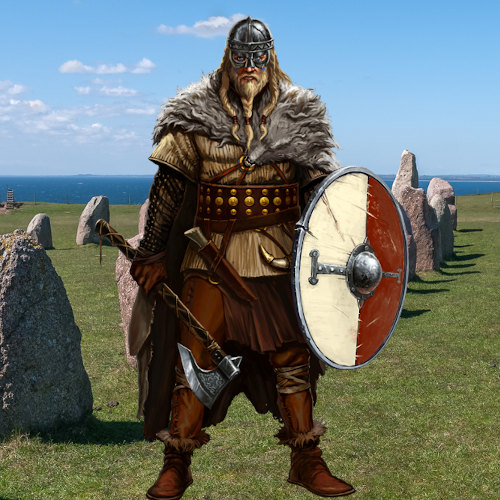 Gutes
Gutes
Gutes
The Gutes, also known as Goths or Gutar, were a North Germanic tribe inhabiting the island of Gotland since ancient times. The are first recorded by Ptolemy who refers to them as Goutai - whereas Norse Sagas refer to them as Gautar. By the 7th century the Gutes made a trade and defence agreement with the Svear tribe (Swedish kings) which enabled them to become a nation of traders and merchants centrally located in the Baltic Sea - in fact Gutes were the leading tradesmen in the Baltic until the rise of the Hanseatic League. The Gutasaga states how a third of the population was forced to emigrate southwards into the territory of the Roman Empire - these Gutes are popularly reffered to as Goths.
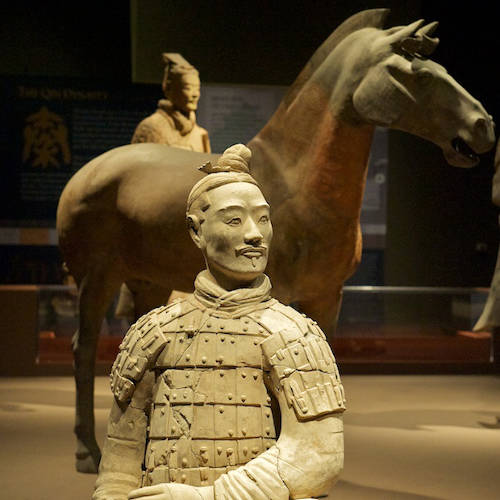 Han Dynasty
Han Dynasty
The Emperor Qin Shi Huang spent a fortune on alchemy, medicines and potions in an attempt to become immortal. One of these potions killed him and a bloody civil war began in 210 BC. The victorious Han began an aggressive foreign policy conquering both competing kingdoms to the south and declaring war with the ancestors of the Mongols to the north, the Xiongnu. The rapid expansion into central Asia gave China its first contact with the numerous nomadic tribes of the inner steppes which attracted traders and merchants to the lucrative corridor between East and West - this marked the beginning of the Silk Road. With the Han Dynasty came China's Golden Age - bringing great advances in art, culture and science. A new religion called Buddhism began to spread down the Silk Road. The Han eventually defeated the Xiongnu after generations of fighting and trade with the West greatly expanded. Finally in 222 AD the dynasty broke apart into 3 kingdoms - the Shu, the Wu and the Wei.
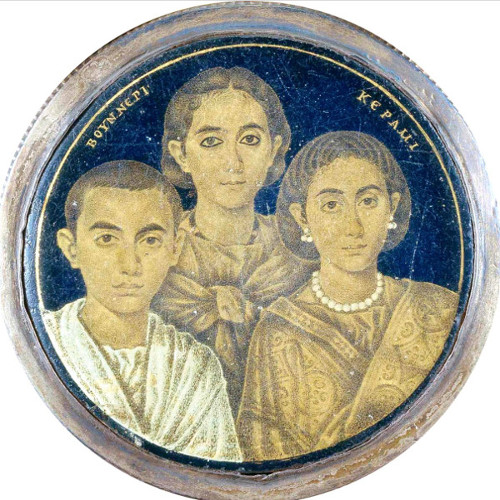 Hellenic Romans
Hellenic Romans
Hundreds of years before the traditional founding of Rome (753 BC), Greeks began to colonize southern Italy. They established themselves along the coast of Sicily, and on the littoral of the regions now known as Campania, Calabria, Apulia and Basilicata. The Romans would later refer to this territory, which includes the toe of the boot of Italy, as Magna Graecia (Greater Greece). The settlers brought Hellenic civilization including Greek-style democracy and the Greek language to this land, interacted with the native Italic tribes, and had a lasting impact on the developing culture of Rome. The Hellenic cities were eventually absorbed into the Roman Republic. Naples, the Greek Neapolis, became Roman in 327 BC. Sicily, which was initially populated by Phoenicians and by their colony Carthage, was also heavily colonized and settled by Greeks. Syracuse, on the south-eastern coast of Sicily, was the most populous Greek city in the world by the 3rd century BC. All of Sicily was Roman by 212 BC, conquered during the Punic Wars against Carthage.
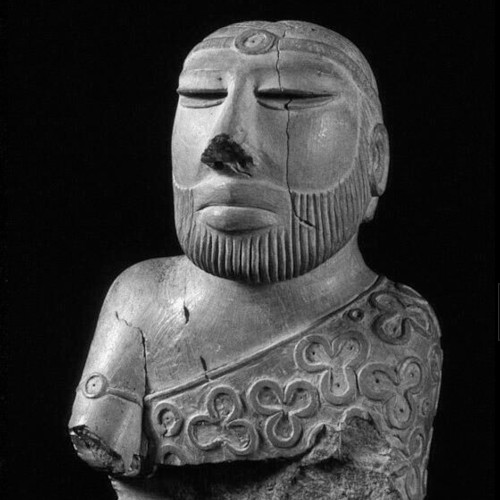 Helmand Civilization
Helmand Civilization
The Helmand Culture was a mysterious Bronze Age civilization from 3300-2350 BC which flourished mainly in the middle and lower Valley of the Helmand River in southern Afghanistan, Kandahar, Helmand and Nimruz provinces as well as eastern Iran. The people of the Helmand Culture lived partly in cities with temples and palaces evidencing complex and advanced social structure. The main known cities are Shahri Sokhta and Bampur in modern Iran as well as Mundigak in Afghanistan. These cities were located near a river with major trade routes and were quite large ranging in sizes up to 150 acres each by 2400 BC. Each city had a citadel or palace which appeared to serve public functions and were surrounded by walls. Each of these palaces consisted of a courtyard with various rooms. Much of the artwork contained depictions of cattle. In addition to extensive pottery found, there were also elaborate bronze and terracotta drains - a testament to the proximity of the Helmand to the Indus Valley city nearby in Pakistan with the worlds oldest swimming pool - the Great Bath of Mohenjo-daro - which was 83 square meters in size.
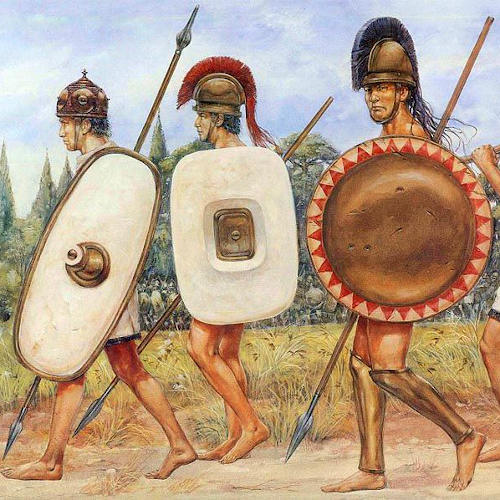 Heneti
Heneti
The Heneti, also known as Adriatic Veneti, were an Indo-European people who inahbited northeastern Italy. Ancient Veneti spoke Venetic which shares similarities with Latin and other Italic languages but also has some affinities with Germanic and Celtic. The territory occupied by the Heneti included modern Veneto as well as areas around the Po Delta. The Heneti are mentioned by Herodotus, Virgil, Pliny the Elder, Polybius and Titus Livius - considered in ancient times to be the ancestors of the Veneti of Italy. Records confirm the Heneti were in recurring conflict with many Celtic peoples of the nearby region but also maintained peaceful relations with the Cenomani Celts who settled in Brescia and Verona. During the Second Punic War, the Veneti were alliged with the Romans against the Celts, Iberians and Carthaginians. Ancient evidence shows they were skilled horsemen and fishermen who enjoyed sports such as boxing and boat races.
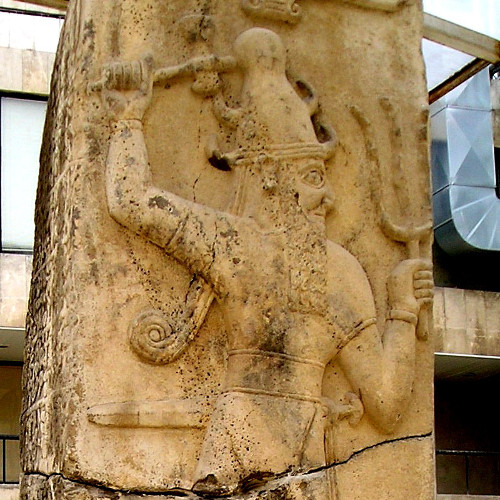 Hittites
Hittites
The Hittites were an Anatolian people who played an important role in establishing an empire centered on Hattusa in north-central Anatolia around 1600 BC. This empire reached its height during the mid-14th century BC under Suppiluliuma I, when it encompassed an area that included most of Anatolia as well as parts of the northern Levant and Upper Mesopotamia. Between the 15th and 13th centuries BC, the Empire of Hattusa, conventionally called the Hittite Empire, came into conflict with the Egyptian Empire, Middle Assyrian Empire and the empire of the Mitanni for control of the Near East. The Assyrians eventually emerged as the dominant power and annexed much of the Hittite empire, while the remainder was sacked by Phrygian newcomers to the region. After c. 1180 BC, during the Bronze Age collapse, the Hittites splintered into several independent Neo-Hittite city-states, some of which survived until the 8th century BC before succumbing to the Neo-Assyrian Empire.
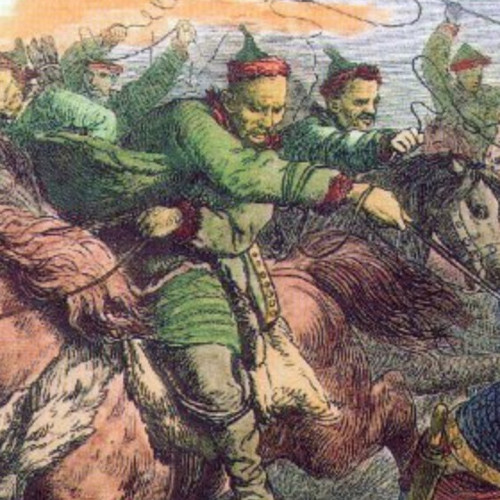 Huns
Huns
Huns
The Huns blasted onto the European scene like a bolt of lightning from the outer edge of the world. The legend of Attila sees him as a ferocious wild beast with a vast empire, stretching from Ukraine to Hungary. Psychological warfare was key - villages in their path were slaughtered and burned to the ground. The Huns greatest weapon were their people - the way they fought, novelty and terror instilled. Attila as a tactical genius spotted the weakness of Rome after the failed Vandal expedition, and began assaulting Roman cities and taking territories from the Roman Empire. Populations were enslaved and slaughtered, integrating into the Hun war machine. The final battle between the Romans and Huns was about Western Civilization itself. Rome and its Gothic allies miraculously defeated Attila and his aura of invincibility was lost. The Huns disappeared from the European landscape and never were to return.
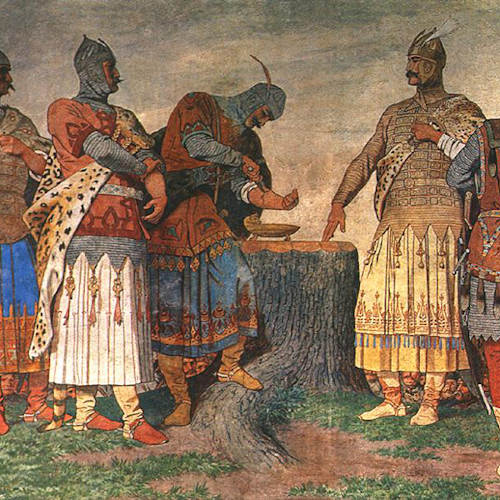 Proto-Hungarians
Proto-Hungarians
The Hungarian conquest of the Carpathian Basin was a series of events resulting in the settlement of the Hungarians at the turn of the 9th and 10th centuries. Before the arrival of the Hungarian Conquerors (or Proto-Hungarians), three medieval powers were fighting for control of the Carpathian Basin - the First Bulgarian Empire, East Francia and Moravia. Occasionally they would hire Proto-Hungarian horsemen as soldiers. These people who lived on the Pontic Steppes became familiar with their future homeland as a result. After they were attacked by the Bulgarians and Pechengs in 894, the Proto-Hungarians crossed the Carpathian Mountains and took over the lowlands east of the Danube, and then went into Pannonia. Then by defeating a Bavarian army in 907, they launched a series of plundering raids. Gradually they began settling in the Basin and established a monarchy, the Kingdom of Hungary in 1000 AD and ruled over the existing peoples of the region at this time including Slavs, Greeks, Germans, Moravians and Vlachs.
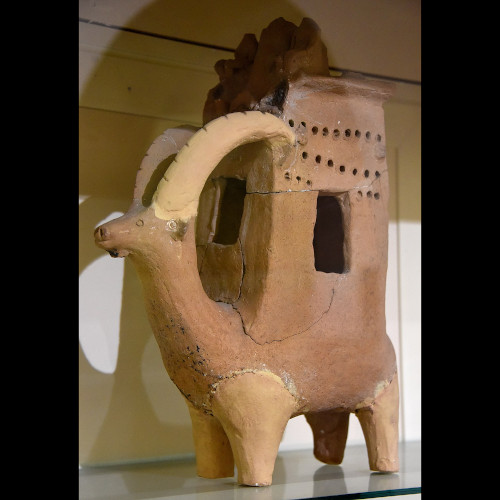 Hurrian Kingdoms
Hurrian Kingdoms
The Hurrians built their first kingdom in the city of Urkesh located at the foothills of the Taurus mountains during the 3rd millenium BC and were initially known to be allied with the Akkadian Empire. They were masters with ceramics with their work highly prized in Ancient Egypt. They were also experts with metallurgy and copper. Eventually they had a broad territory spreading from the Khabur River valley to the Zagros Mountains in the east. During the Old Babylonian period in the early second millenium BC, the Amorite Kingdom had subdued Urkesh and made it a vassal state. Hurrians also migrated westwards during this time and by 1725 BC were found in Alalakh - northern Syria. The kingom of Yamhad was a mixed Amorite-Hurrian kingdom and was struggling for control of the region against the Hittites. Other Hurrians settled in Anatolia and spread their cultural influence and religion. The Hurrian entity of Mitanni rose to power before 1550 BC and was associated with the Battle of Megiddo - the Hurrians were considered to be a ruling class there. Other Hurrians spread to the Kingdom of Urartu and assimilated there - their languages were closely related.
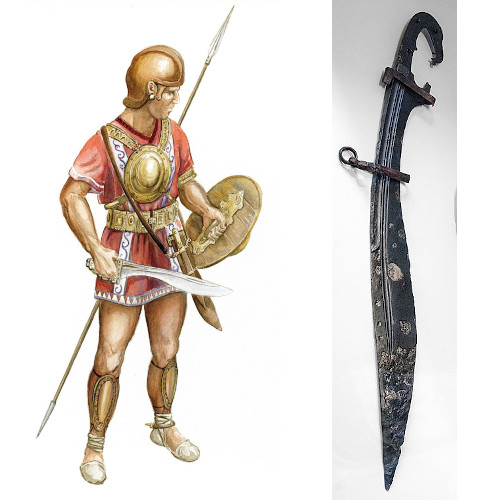 Iberians
Iberians
The Iberians were a non-Celtic group of people associated with the southern and eastern coasts of the Iberian peninsula in the first milennium BC. Due to their military skills, Iberian soldiers were frequently involved in conflicts in Italy, Greece and Sicily. They lived in villages and fortified settlements called oppida based on a tribal organization with knowledge of metalworking, writing, bronze working and agricultural techniques. Preceeding Roman conquests in the region, Iberian settlements grew in complexity due to contacts with Phoenicians, Greeks and Carthageinians. They traded extensively with other cultures in the Medieterranean where Iberian pottery and metalwork has been found in France, Italy and North Africa. The Iberians also had close contact with Phoenicians who had established colonies in southern Andalusia. In the First Punic war between Rome and Carthage, Hamilcar Barca began his conquest in Iberia making the IBerian theater the key battleground between these powers. Many Iberian and Celtiberian warriors fought for one side or the other, though most tribes sided with Carthage. After Carthage's ultimate defeat, the Iberian territories were divided into Hispania Ulterior and Hispania Citerior. An Iberian revolt in 197 BC against Rome was crushed, but was the beginning of a long drawn out campaign for the conquest of Lustiania to the west.
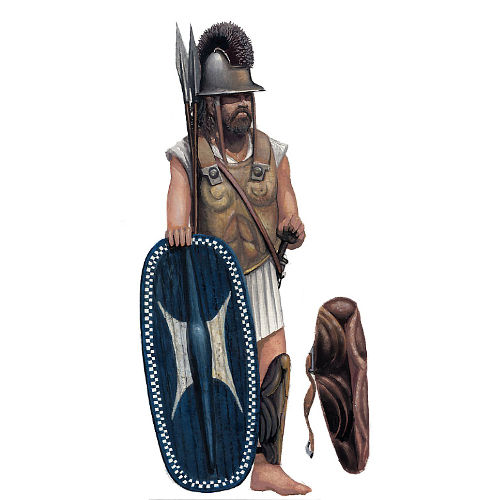 Illyrians
Illyrians
Illyria appears in Greco-Roman historiography from the 4th century BC. The Illyrians formed several kingdoms in the central Balkans, and the first known Illyrian king was Bardyllis. Illyrian kingdoms were often at war with ancient Macedonia, and the Illyrian pirates were also a significant danger to neighbouring peoples. Illyrians were regarded as bloodthirsty, unpredictable, turbulent, and warlike by Greeks and Romans. They were seen as savages on the edge of their world. Polybius (3rd century BC) wrote: the Romans had freed the Greeks from the enemies of all mankind. According to the Romans, the Illyrians were tall, well-built and therulers wore bronze torques around their necks.
In the Illyrian Wars of 229 BC, 219 BC and 168 BC Rome overran the Illyrian settlements and suppressed the piracy that had made the Adriatic unsafe for Italian commerce. There were three campaigns, the first against Teuta the second against Demetrius of Pharos and the third against Gentius. The initial campaign in 229 BC marks the first time that the Roman Navy crossed the Adriatic Sea to launch an invasion. The Roman Republic subdued the Illyrians during the 2nd century BC. An Illyrian revolt was crushed under Augustus, resulting in the division of Illyria in the provinces of Pannonia in the north and Dalmatia in the south.
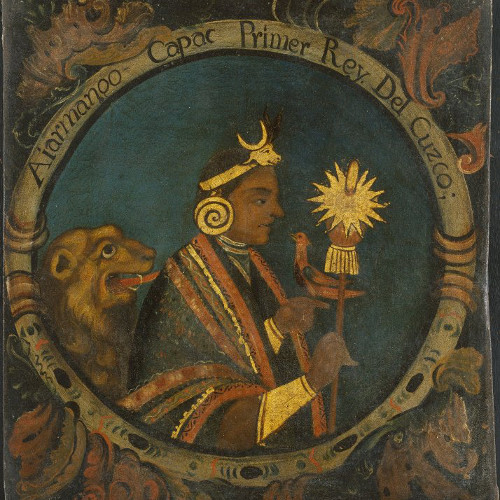 Incans
Incans
The Inca Empire was the largest empire in pre-Columbian America. IT had the most developed administrative and political structure in the Americas, with the center located in hte city of Cuasco. The civilization arose from the Peruvian highlands in the early 13th century. From 1438 to 1533, the Incas incorporated vast amounts of territory in South America centered on the Andean Mountains via conquest and peaceful assimiliation. At its peak, the empire joined Peru, Ecuador, western and south central Bolivia, northwest Argentina, and a large portion of modern Chile. The official language was Quechua and many forms of worship existed. The Incas considered their king, the Sapa Inca, to be the son of the sun. Unlike other advanced civilizations, they lacked wheeled vehicles, iron and steel, as well as a system of writing. However they had developed monumental architecture (especially stonework), extensive roads, finely-woven textiles, and many agricultural innovations. It functioned without money and markets, but instead was based on trade among individuals, groups and rulers.
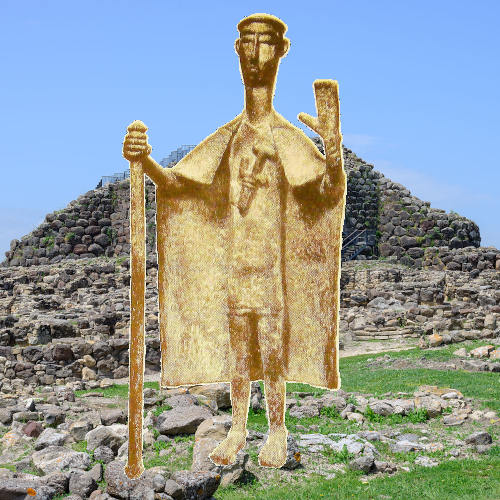 Iolaes
Iolaes
The Iolaes are considered the most ancient population on the island of Sardinia. Although considered to have Iberian roots, they are considered to be of Pre-Indo European origin. The Iolaes followed a shepherd lifestyle, were expert navigators and leveraged mountains to fend off invaders. They used guerilla warfare and were highly skilled with bow and useage of the mountainous terrain. Furthermore, the Iolaes had very strong ties with Ancient Greeks - many Greek products and ceramics have been found on Sardinia from before 800 BC. In fact Greek legends claim the name Iolaes derives from Iolaus, the Theban hero who founded a colony in Sardinia. They are considered the most important population of Nuragic Sardinia. Ancient Egyptian sources even link this tribe with the Sherden, one of the Sea Peoples.
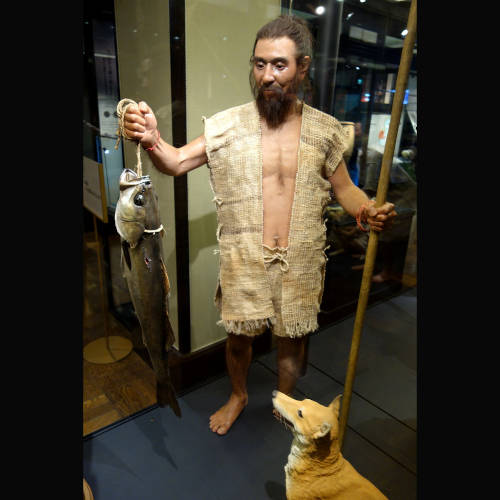 Jomon
Jomon
Jomon
The hunter-gatherer Jomon peoples inhabited Japan since as early as 12,000 years ago. They were thought to originate from Eastern Siberia and had similiarities to those in northern European such as lighter skin, heavier build, hairier bodies, taller stature and higher alcohol tolerance. This makes them ethnically, physcially and linguistically distinct from the later Yayoi immigrants and other East Asians. The term Jomon refers to the Corded Ware pottery which was commonly associated with the culture. The early to middle Jomon period saw an explosion in population. Elaborate jewelry was made during this time from bone, stone, shell and antler. Trees were carved to make small boats used for fishing and travelling. Some elements of modern Japanese culture which derive from the Jomon include some marriage customs, elements of the Shinto religion, architectural styles, lackerware and glassmaking. Towards the end of the Jomon period there was a sharp drop in population which is likely due to food shortages due to the lack of more advanced agricultural techniques which the Yayoi later brought with them into Japan.
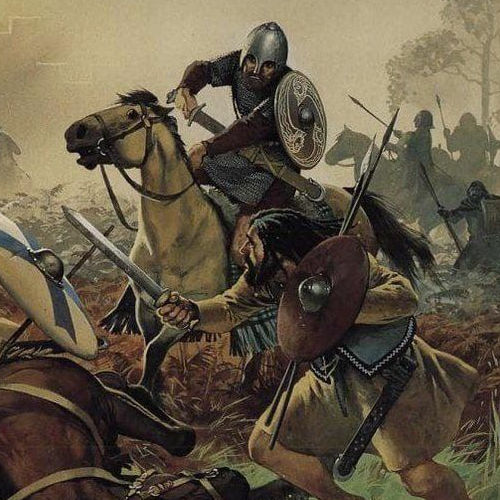 Jutes
Jutes
Jutes
The fiercesome Jutes were one of the Anglo-Saxon tribes who settled in England and were one of the three most powerful Germanic nations. They originated in what is now the Jutland peninsula. They migrated in part to southern Britain in the late fourth century during the Migration period after the fall of Rome. As part of a larger wave of Germanic invasions, the Jutes settled mostly in Kent and the Isle of Wight. However they are also believed to have spread to Savonia in Finland as the Finnish surname Juutilainen from this region refers to the Jutes. All these germanic tribes were pagans worshipping Tiw, Woden and Thunor very much like their Viking neighbors with Tyr Odin and Thor.
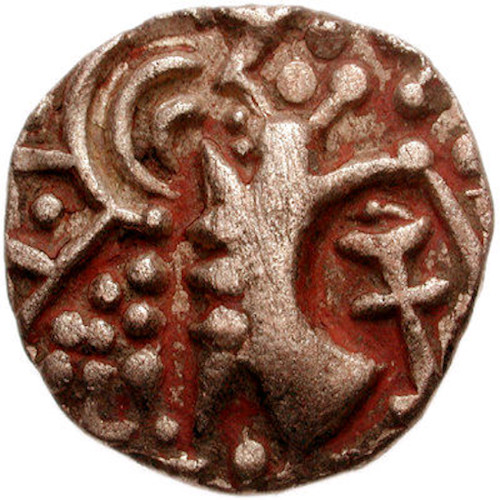 Karkota Empire
Karkota Empire
The Karkota Empire (625 AD - 885 AD) was a major power in the Indian subcontinent. It was founded by Durlabhvardhana and marked the rise of Kashmir as the power of Northern India. Lalitaditya Muktapida was the dynasty's strongest ruler who captured parts of Central Asia, Afghanistan and Punjab. He was able to extend the power of Kashmir beyond the mountain limits and in about 740 AD inflicted a defeat upon Yashovarman, the King of Kannauj. It is rumored he also vanquished the Turks, Tibetans, Bhutias, Kambojas and others. Similiar stories mention how Lalitaditya could produce water in the desert by striking the sand with his sword. The Karkota emperors were primarily Hindu and built spectacular temples in their capital Parihaspur. They also allowed Buddhism to flourish under them. The Martand Sun Temple is the oldest known Sun temple in India and one of the biggest temple complexes of the period.
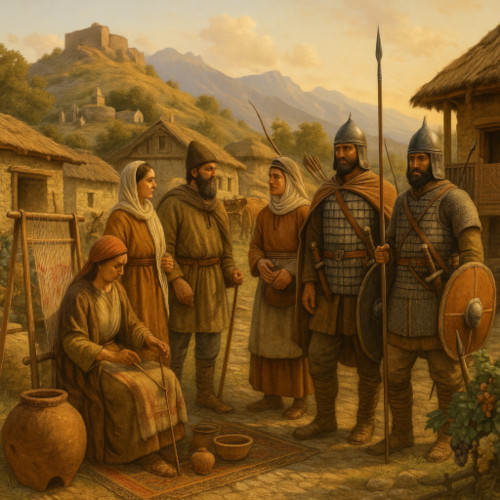 Kartvelians
Kartvelians
The Kartvelians (known by Ancient Greeks as Iberians) are the indigenous peoples of the South Caucasus who speak the distinctive Kartvelian languages - Georgian, Mingrelian, Laz, and Svan. Centered in todays Georgia, they shaped two ancient heartlands: sea-facing Colchis in the west and mountainous Iberia (Kartli) in the east. Their world mixed Black Sea trade with highland fortresses, fine metalwork, and stories that echo in the myth of the Golden Fleece. By the early 4th century they forged one of the worlds earliest Christian kingdoms, rooting faith into their statecraft. Vakhtang I Gorgasali - the 5th century king of Hellenistic Iberia (Kartli) famed for founding Tbilisi and resisting Sasanian Persia - is among the most celebrated Kartvelian rulers. Chronicles describe him dealing directly with Byzantine Emperor Zeno and warring against Shah Peroz I, towering figures of his era.
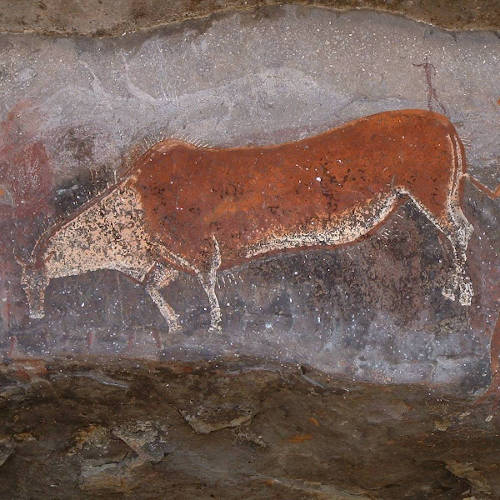 Khoisan
Khoisan
The Khoisan represent the indigenous peoples of Southern Africa combining the Khoekhoen and the San peoples who are believed to have populated the region before the Bantu expansion about 1500-2000 years ago. The language is full of click consonants and split into three separate and unrelated language families. The San are thought to be the foragers in the Kalahari Desert and regions of Botswana, Namibia, Angola, Zambia, Zimbabwe, Lesotho and South Africa. The Khoekhoe peoples may represent late Stone Age arrivals to Southern Africa, possibly displaced by the arrival of the Bantu. Interestingly the linguistic influence of the Khoisan seems to have influenced the Xhosa and Zulu languages which adopted click consonants. The original ancestors of the Khoisan are thought to have expanded to Southern Africa as early as 260,000 years ago.
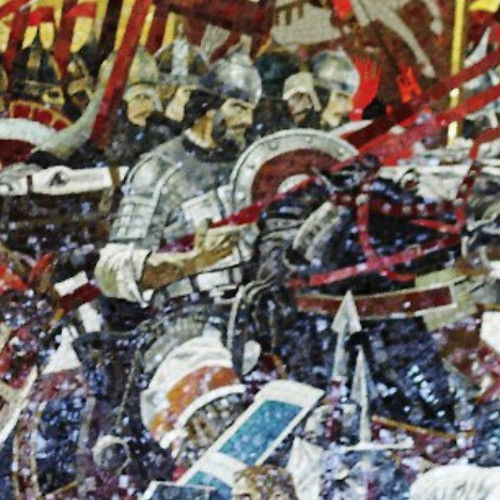 Kievan Rus
Kievan Rus
Kievan Rus (882 AD - 1240 AD) was a loose federation fo East Slavic and Finnic peoples in Europe during the middle ages, under the reign of the Varangian Rurik dynasty. At its greatest size, it extended from the Baltic Sea to the Black Sea, and as far west as Poland to the Crimea in the east.
The Kievan state prospered due to its abundant supply of furs, beeswax, honey and slaves. It was centrally located on three main trade routes of Eastern Europe. Novgorod served as a commercial link between the Baltic Sea and the Volga.
Rapid expansion to the south led to conflict with the Khazars who were allied with the Byzantines against Persians and Arbas.
The decline of Constantinople and the Crusades played a large role in the decline of the Kievan Rus. Novgorod revolted against Kiev in 1136 and became an independent city republic. The Mongol invasion marked the end of the state..
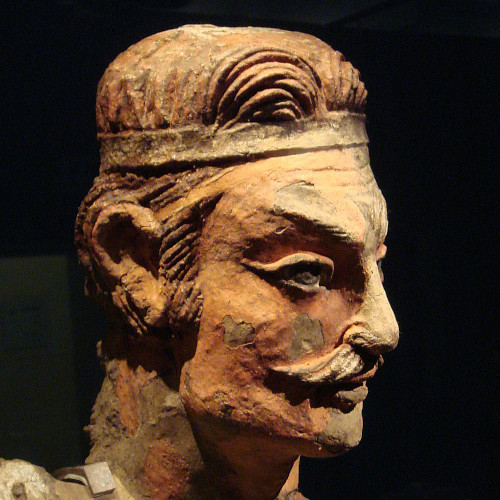 Kushan Empire
Kushan Empire
The Kushan Empire was a syncretic empire formed by Yuezhi and Bactrian territories in the 1st century AD. It spread within Central Asia to encompass large parts of Afghanistan, Pakistan, northern India and Uzbekistan. The Kushans were a nomadic Indo-European people who migrated from northwestern China and settled in ancient Bactria. Their founder Kujula Kadphises followed Greek religious ideas and iconography after the Greco-Bactrian tradition. The Kushans were also great patrons of Buddhism and under Emperor Kanishka employed elements of Zoroastrianism in their religion belief. They played a critical role in spreading Buddhism to Central Asia and China. Kushans initially used the Greek language for administrative purposes but the language spread with their armies expansion as they had diplomatic ties with the Roman Empire, Sasanian Persia and the Han dynasty in China. The Kushan Empire was the heart of trade between Ancient Rome and China. However eventually they were invaded by Sasanians from the west, the Indian Gupta Dynasty from the east and lastly the Kidarites and Hephthalites from the north in 375 AD.
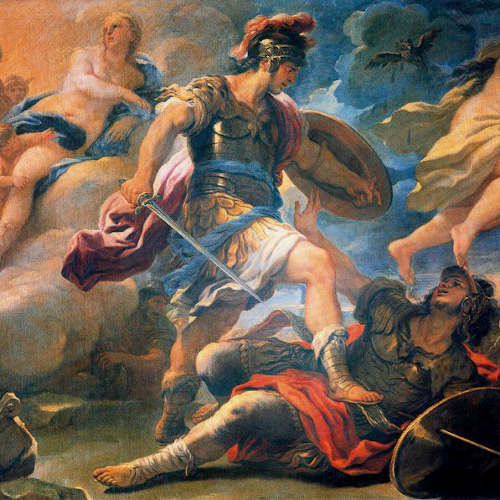 Latins
Latins
Legend has it that after the destruction of Troy in 1184 BC, the Trojan survivor Aeneas landed on the shores of Latium, a small triangle of fertile volcanic soil located in central western Italy in which Rome would be founded. Near the mouth of the river Tiber, Aeneas and his Trojan army were confronted by King Latinus of the local Italic tribe. Latinus was defeated and accepted Aeneas as his new ally. Aeneas married his daughter Lavinia and founded the city of Lavinium on the Italian coast. Their son Scanius founded a new city Alba Longa in the Alban Hills which became the Latin capital city. The neighboring Etruscans allied with the Rutuli King Turnus attacked the Latins/Trojans but were repelled concluding in the river Tiber becoming the common boundary between the Etruscans and the Latins. Romulus, born in Alba Longa, founded Rome in 753 BC and became the first king of this new capital. The Etruscans decided to suppress Rome as a future threat and a series of wars ensued which ultimately led to the demise of the Etruscans. By 509 BC, the Roman monarchy was overthrown leading to the creation of the Roman Republic.
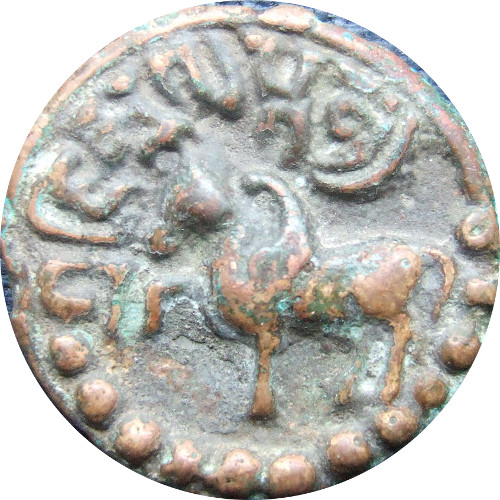 Licchavi Kingdom
Licchavi Kingdom
The Licchavi Kingdom on the Indian subcontinent existed in modern-day Nepal from 400 to 750 AD. The Licchavi clan originated from Vaishali and Muzaffarpur in modern northern India and conquered the Kathmandu Valley. The language of Licchavi inscriptions is Vajjika which is close to Gupta scripts which were common in India which infers close cultural influence. The Licchavi clan came to Kathmandu attacking and defeating the last Kirat King Gasti. The Licchavi were ruled by a Maharaja who was aided by a prime minister in charge of military operations. Nobles known as samanta influenced the court whilst managing their own landholdings and militia. The population provided land taxes and conscript labor to support the regime. Most local administration was performed by village heads or leading families. The economy was agricultural relying on rice and grains. Lands were owned by the royal families and nobles, and the key trading partners were Tibet and India as the Licchavi Kingdom sat at the crossroads.
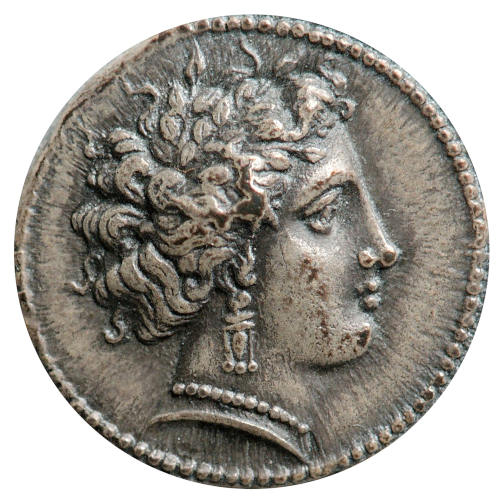 Ligurians
Ligurians
Since the Bronze Age the Ligurians are considered to have occupied much of northwest Italy, southern France and parts of Catalonia. By Roman times they were referred to as Celto-Ligurians due to the heavy Celtic influence on their language, culture and population. Historians of the time describe them as having long hair with a shade of auburn (reddish-brown). Instead of a centralized state the territory was divided among independent tribes. Many hilltop forts and settlements, called oppida, were established in the region to protect key trade routes. The Greeks and Etruscans began their own expansion into the region which the Ligurians resisted. Later as the Romans began to expand their territory and in competition with Carthage, the Ligurians found themselves split into two factions - and ultimately weakened as a result. Liguria found itself drawn into a decades long conflict with Rome and tribe by tribe was forced to capitulate as Roman forces only grew in strength.
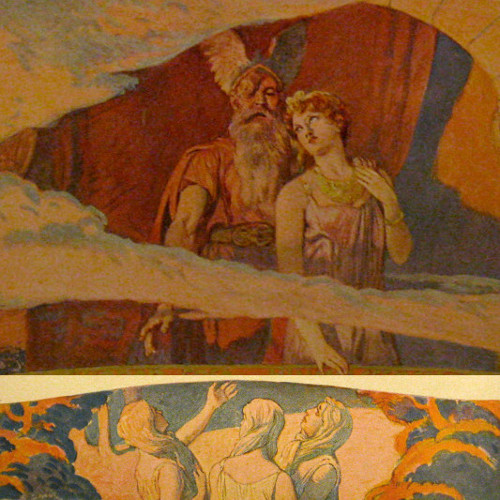 Longobards
Longobards
The Longobards (Winnili) were a pre-Viking era Scandinavian tribe who migrated south towards Germania. Upon reaching Germania, the Winnili ran into conflict with the powerful Germanic Vandals. Both sides appealed to their chief god Odin for victory. To achieve victory against the more numerous Vandals, the godess Freia told the Winnili women to tie their hair to look like beards. Odin saw them standing in the field and asked who are these long beard warriors? After their victory the Winnili were called the Longbeards which in time renamed to Longobards/Lombards. Not finding adequate food resources, they ventured into Pannonia in modern day Hungary. There the Longobards allied with the Avars to defeat the Gepids, but all the spoils went to the Avars. As a result, the Longobards under King Alboin left the region and relocated into northern Italy where the land was ripe and by then the Longobards had a fierce reputation. The Byzantine Empire had spent vast amounts of money defeating the Ostrogoths and now had the Longobards to deal with. Eventually the Longobard Kingdom of Italy was split between two rulers, one at Milan and the other at Pavia. Weakened by internal fighting, Charlemagne of the Franks seized the lands of the Longobards and absorbed it into the kingdom of the Franks. However, some territories survived under Lombard dukes.
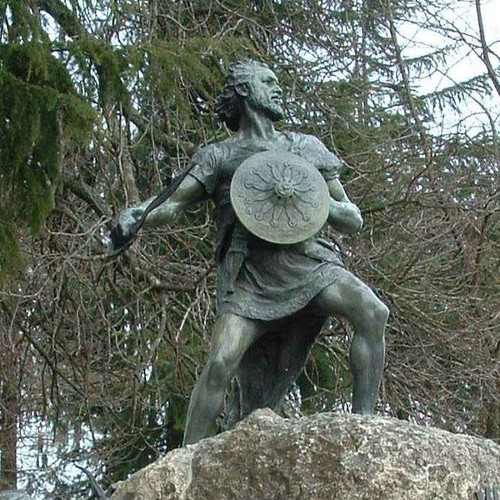 Lusitanians
Lusitanians
The Lusitanians (or Latin: Lusitani) were an Indo-European people living in the west of the Iberian Peninsula, where Portugal is located nowadays, prior the conquest by the Roman Republic and the subsequent incorporation of the territory into the Roman province of Lusitania. Since 193 BC, the Lusitanians had been fighting the Romans alone in Hispania. In 150 BC, they were defeated by Praetor Servius Galba: springing a treacherous trap, he killed 9,000 Lusitanians and later sold 20,000 more as slaves in Gaul (modern France). This massacre would not be forgotten by Viriathus, who three years later (147 BC) would become the leader of the Lusitanians, and severely damaged the Roman rule in Lusitania and beyond. In 139 BC, Viriathus was betrayed and killed in his sleep by his companions (who had been sent as emissaries to the Romans), Audax, Ditalcus and Minurus, bribed by Marcus Popillius Laenas. However, when the three returned to receive their reward from the Romans, the Consul Servilius Caepio ordered their execution, declaring, "Rome does not pay traitors".
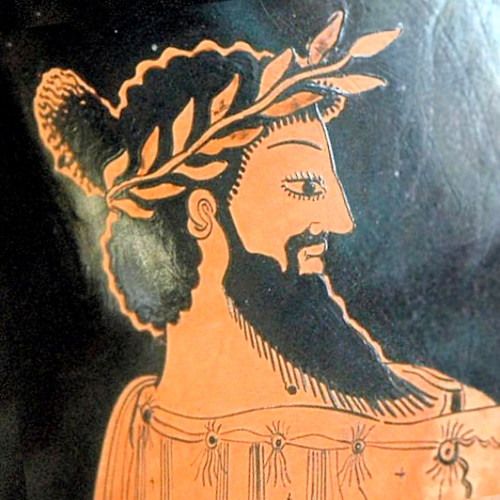 Kingdom of Lydia
Kingdom of Lydia
Lydia was an Iron Age kingdom in western Anatolia located east of ancient Ionia which developed after the fall of the Hittite Empire. Lydians were a distinct ethnic group with their own language known as Lydian with their capital in Sardis near the Aegean coast. Heroditus says the city was founded by the songs of Hercules in 1220 BC. The Lydian kingdom was very advanced in industrial arts and was a key market place for the region. During the reign of King Croesus metallurgists in Sardis discovered how to separate gold from silver producint both metals in a purity never known to the world before. By minting nearly pure silver and gold coins Sardis is famed in history as the place where modern currency was invented. The Greek legend of King Midas is actually though to originate from gold deposits found in the river Pactolus which flows through ancient Sardis. In 547 BC, the Lydian king Croesus besieged and captured the Persian city of Pteria and enslaved its inhabitants. In response the Persian king Cyrus the Great marched his army against the Lydians and decisively defeated them in the Battle of Thymbra leaving Lydia a province of the Persian Empire until Alexander the Great arrived on the scene.
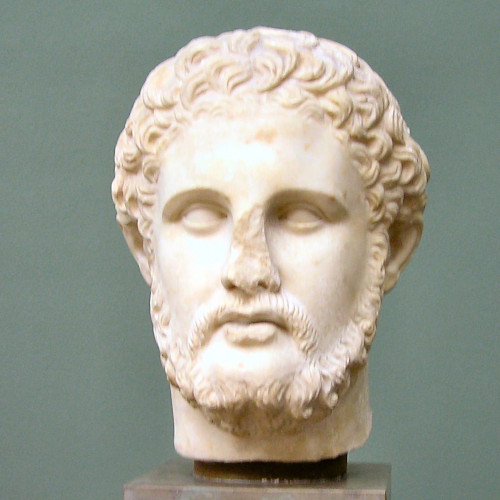 Kingdom of Macedonia
Kingdom of Macedonia
Home to the ancient Macedonians, the earliest kingdom started on the northeastern part of the Greek peninsula bordered by Epirus to the west Paeonia to the north, Thrace to the east and Thessaly to the south. Before the 4th century BC, Macedonia was a small kingdom outside the great city-states of Athens, Sparta and Thebes - even briefly subordinate to Achaemenid Persia. However this all changed during the reign of King Philip II. Macedonia grew strong and subdued mainland Greece and Thrace. Reforming the army with phalanxes and the sarissa pike, Philip II defeated Athens and Thebes in 338 BC. His son - Alexander the Great - led a strong force to defeat the Persians and conquer a territory stretching as far as the Indus River in Central Asia. The Macedonian Empire turned into the most powerful in the world - and transitioned the Greek world into a whole new period. Arts and literature flourished with huge advancements in philosophy, engineering and science. Aristotle, tutor to Alexander, became a key figure in Western philopsophy. Macedonia began to decline with the rise of Rome - eventually the Macedonian monarchy collapsed and was replaced by Roman client states - becoming the Roman province of Macedonia.
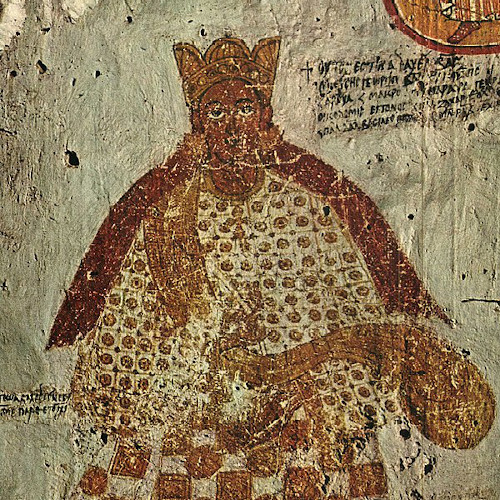 Makurian
Makurian
Makuria was one of several Nubian kingdoms which emerged after the fall of the Kushite Kingdom - and was in fact a Christian Kingdom. As its neighbor Egypt had been conquered by Islamic armies, an Arab army invaded but was repulsed in 651 AD. Makuria seized the moment and expanded creating a powerful regional kingdom which reached its peak of prosperity during the 8th and 9th centuries. The main economy was agriculture and pottery. Makurian trade was mostly by barter so a currency was never officially adopted. In the 12th century the famous Saladin defeated the Crusaders in the Holy Land. King Moses Georgious of Makuria sent an army to pillage Aswan in Egypt prompting Saladin to dispatch his brother Turan-Shah who sent an emissary to the Nubian king. King Georgious responded by stamping a hit iron cross on the emissarys hand. Saladin left a detachment of Kurdish troops to raid Lower Nubia for the next 2 years - their commander drowned crossing the Nile resulting in the retreat of Saladins troops out of Nubia and bringing peace for another 100 years.
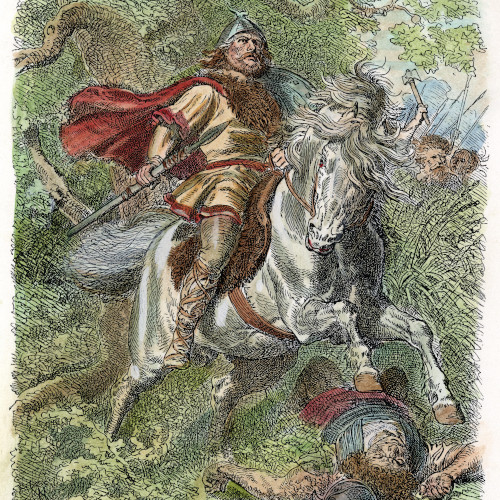 Marcomanni
Marcomanni
The Marcomanni were a powerful and warlike Germanic tribe who had settled in the upper Danube region near modern day Czech and Austria. They first appear in Roman records as fighting against Julius Caesar in Gaul. In 166 AD, Emperor Marcus Aurelius prepared for the arrival of the Marcomanni who had been expelled from their homelands by the Goths. The Marcomanni and their allies crossed the Danube and utterly destroyed the Roman army - 20,000 legionaries were killed in the attack. The emperor in desperation even sacrificed two lions to the Danube to no avail. It took five years before the Marcomanni could be driven back. A victory column stands today in Piazza Colonna in Rome reminding us of these events.A group of Marcomanni is believed to have migrated with the Vandals and Alans to northern Iberia.
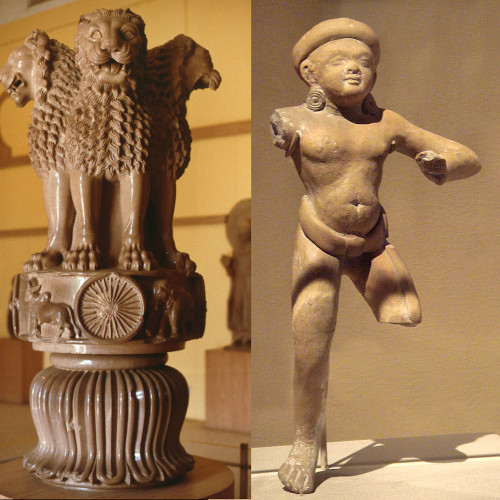 Maurya Empire
Maurya Empire
The Maurya Empire was a Iron Age historical power which dominated the Indian subcontinent between 322 and 185 BC, with an empire extending over 5 million square kilometers. The Mauryan Empire defeated Seleucus I, the founder of the Hellenic Seleucid Empire which was formed by the followers of Alexander the Great. At the peak, the empire stretched to the Himalayas, east to Assam and west into Pakistan and Iran. The dynasty expanded into India's southern regions. Under Chandragupta Maurya and his successors, economic activities thrived and expanded across South Asia due to the single and efficient system of finance, administration and security. The Maurya dynasty built the Grand Trunk Road, one of Asia's oldest and longest trade networks. The population was around 60 million, making this one of the most populous empires of antiquity. The architecture of the cities had many similiarities with Persian cities of the period. Eventually there was a succession of weaker kings which led to a gradual decline of the empire. Territories were slowly lost leading to the collapse of the great Maurya empire and giving rise to the Shunga Empire which followed.
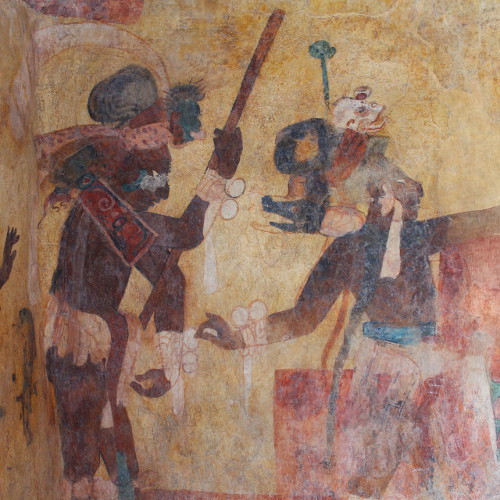 Mayans
Mayans
The Maya civilization developed in an area that encompasses southeastern Mexico, all of Guatemala and Belize, and the western portions of Honduras and El Salvador. Classic period rule was centred on the concept of the "divine king", who acted as a mediator between mortals and the supernatural realm. Kingship was patrilineal, and power would normally pass to the eldest son. A prospective king was also expected to be a successful war leader. Maya politics was dominated by a closed system of patronage, although the exact political make-up of a kingdom varied from city-state to city-state. By the Late Classic, the aristocracy had greatly increased, resulting in the corresponding reduction in the exclusive power of the divine king. The Maya civilization developed highly sophisticated artforms, and the Maya created art using both perishable and non-perishable materials, including wood, jade, obsidian, ceramics, sculpted stone monuments, stucco, and finely painted murals.
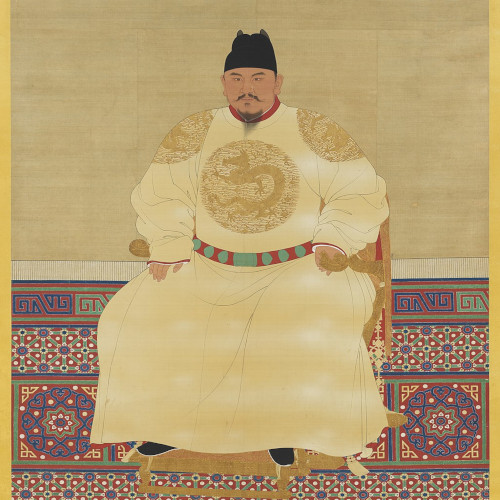 Ming Dynasty
Ming Dynasty
The Ming Dynasty, a period of Chinese history running from 1368 to 1644, was founded by Zhu Yuanzhang, who rose from humble beginnings to overthrow the Mongol-led Yuan Dynasty. It was a golden age of reinvigoration for China, marked by remarkable innovations such as the construction of the Great Wall as we know it today and the majestic Forbidden City in Beijing. The dynasty was renowned for its flourishing arts, including delicate blue and white porcelain, which became highly prized around the world and symbolizes Chinese artistry even today. Under the Ming, the notorious voyages of Admiral Zheng He expanded China's maritime influence across Asia and Africa, establishing China as a premier global power through seafaring prowess and diplomacy. However, internal strife and corruption eventually weakened the state, making it vulnerable to the rising Manchu forces, who would eventually topple the Ming and establish the Qing Dynasty. The Ming Dynasty remains a profoundly significant period in Chinese history, symbolizing cultural prosperity and dynastic strength, leaving a legacy that continues to influence China and the world.
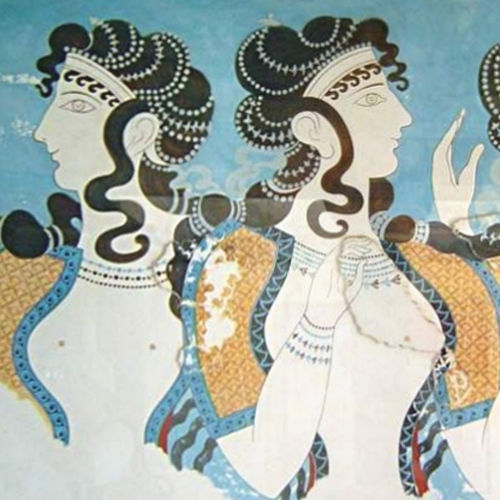 Minoans
Minoans
The Minoan civilization (2700 BC to 1450 BC) was based on the island of Crete and other Aegean Islands. The Minoans are famous for large and elaborate palaces up to 4 stories high with elaborate plumbing and frescoes. During this period there was extensive trade between Crete, Aegean and Mediterranean settlements including the Near East. Minoan cultural influence extended into Cyprus, Canaan, Egypt and Anatolia.
Minoans worshipped a Great Goddess, thought of as a divine solar figure. Sacred symbols included the bull, the double-eaded axe, the pillar, the serpent, the sun-disc and the tree.
Minoan cities were connected by narrow paved roads. Water and sewage facilities were available to the upper class through clay pipes.
There is no evidence of a Minoan army or domination of peoples beyond Crete. There is little evidence of Minoan fortifications.
Genetically Minoans are closely related to Mycenaean Greeks.
The decline of the Minoans was possibly due to invasions from mainland Greece and the major volcanic eruption on Santorini.
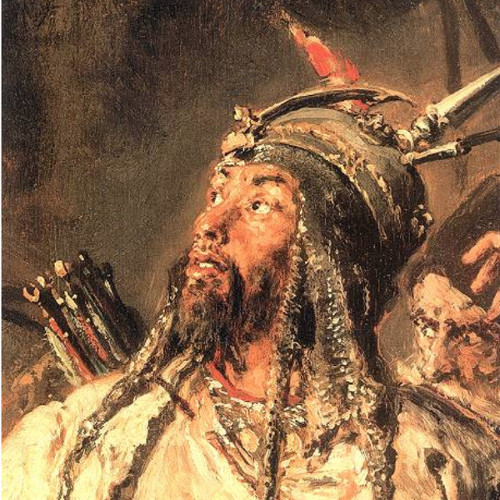 The Golden Horde
The Golden Horde
The Golden Horde was a Mongol khanate established in the 13th century and orginated as the northwestern sector of the Mongol Empire. After the fragmentation of the Mongol Empire in 1259, it became a fully seperate khnaate, also known as the Kipchak Khanate or the Ulus of Jochi. The dynasty flourished for a full century until 1359. The Horde's military power peaked during the reign of Uzbeg who adopted Islan. The territory of the Golden Horde at its peak included most of EAstern Europe from the Urals to the Danube River and extended east deep into Siberia. In the south, the Golden Horde's lands bordered on the Black Sea, the Caucasus Mountains and the territories of the Mongol dynasty known as the Ilkhanate. Soon after the 1396 invasion of Timur, the Golden Horde broke into smaller Tatar khanates which declined steadily in power. By 1466 the group started falling apart and it split into various Turkic-speaking khanates. The Crimean Khanate and Kazakh Khanate were the last remnants of the Golden Horde, surviving until 1783 and 1847.
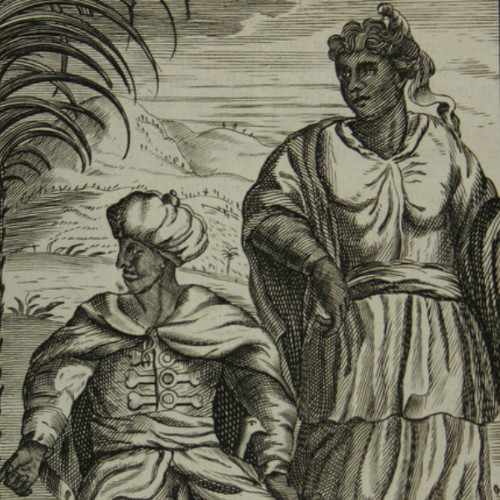 Moors
Moors
Moors
During the classical period, the Romans interacted with and conquered parts of Mauretania, a state that covered modern Morocco, western Algeria and the Spanish cities Ceuta and Melilla. The Berber tribes there were noted as Mauri or Maurusii, which was rendered as Moors in English and many other European languages. In 24 AD the Roman historian Tacitus mentioned the Moors revolted against the Roman Empire. In 711, the Islamic Arab and Moors of Berber descent in northern Africa crossed the Strait of Gibraltar onto the Iberian Peninsula and in a series of raids conquered Visigothic Christian Hispania. Their general, Tariq ibn Ziyad, brought most of Iberia under Islamic rule in an eight-year campagin. They continued northeast across the Pyrenees Mountains but were defeated by the Franks under Charles Martel at the Battle of Tours in 732.
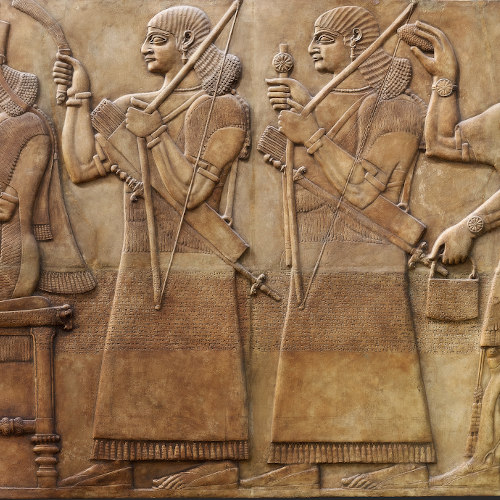 Nairi Confederation
Nairi Confederation
The Nairi were a Late Bronze Age confederation located in the Armenian highlands and Pontic region of Asia Minor. They were in conflict with the Hittite Empire in the 14th century. They were a force strong enough to contend with both Assyria and Hatti. The Nairi lands were inhabited by fierce tribal groups divided into a number of principalities. First mentioned by the Assyrian king Tukulti-Ninurta who claimed to have defeated forty of their kings, they are also documented by Hittite texts as likely corresponding to the Azzi confederation. In 882 BC, the Assyrian king Assurnasirbal II invaded Nairi which at the time had 4 known regions: Bit-Zamani, Shubru, Nirdun and Urumu/Nirbu. There was a clear seperation of entities between the Urartu and Nairi - however over time the Urartu conquered so much of the Nairi lands that the Urartian kings decided Nairi was a suitable name for the kingdom they ruled. Over time the Nairi peoples as a seperate group disappeared and by the 7th century BC the term referred simply to a province of Assyria.
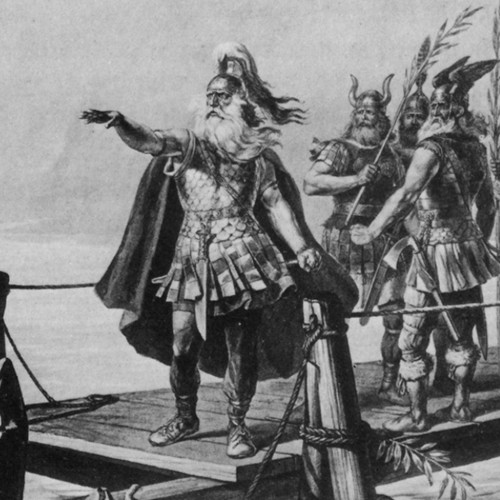 Nemetes
Nemetes
The Nemetes tribe, an intriguing Celtic group, once thrived in the region now known as the Upper Rhine valley, their presence prominently marked during the early Roman Empire era. Renowned for their fierce resistance against Roman expansion, the Nemetes were pivotal in various military campaigns, notably aligning with the Suebi and other Germanic tribes during the tumultuous battles of antiquity. Their strategic location along key trade routes not only made them influential in local politics but also enriched their culture through interactions with neighboring tribes and Roman settlers. The Nemetes are believed to have worshiped Nemetona, a deity of sacred groves, highlighting their deep reverence for nature and its sanctuaries. Archaeological findings, such as ornate jewelry and weapons, provide a glimpse into their sophisticated craftsmanship and societal status. By participating in the Gallic Wars, the Nemetes significantly contributed to the broader narrative of resistance against Roman dominance in Gaul. Despite their eventual assimilation into the Roman Empire, the legacy of the Nemetes tribe endures, offering fascinating insights into the Celtic world's complexity and vibrancy.
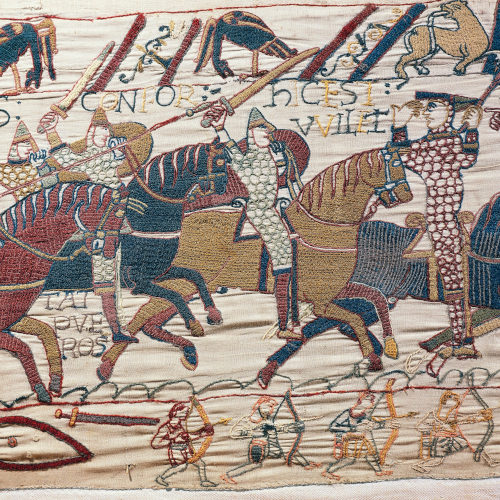 Normans
Normans
The Normans began as Viking raiders who pressed deep into Francia until the Franks, unable to drive t\hem out, granted them land along the Seine. From this pact emerged Normandy, where Norse warriors quickly transformed into a powerful cavalry-based aristocracy blending Scandinavian vigor with Frankish culture. Under Duke William, they crossed the English Channel in 1066 and seized England, reshaping its laws, language, and landscape. Norman knights then pushed south into Italy and Sicily, overcoming Lombards, Byzantines, and Islamic rulers to create new states. Their Sicilian kingdom became a remarkable blend of Latin, Greek, Arab, and Norman traditions. In just a few generations, these former raiders became kings, crusaders, and empire-builders whose influence stretched across medieval Europe.
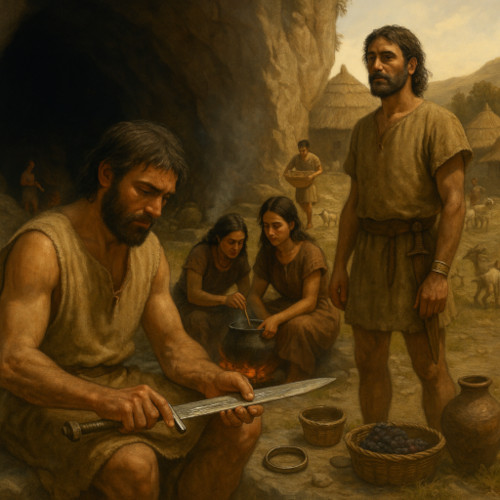 Oenotrians
Oenotrians
Before Rome rose from its seven hills, and even before the word Italy meant a land with borders, the Greeks spoke of a mysterious people in the far South: the Oenotrians, the people of wine. They were no empire-builders or mighty conquerors, but farmers, shepherds, and artisans who made their home between Basilicata and Calabria, where two seas meet. Legends tell of their ancestor Oenotrus, a son of Arcadia, who crossed the waves from Greece long before the famous colonies appeared. Ancient writers even claimed that the name Italia was born from their land, at first applied only to a small strip of Oenotrian country. Their villages were humble, their pottery rough, their huts simple-yet the vines flourished, and from them the Greeks learned that this was a land of wine, sun, and grain. Though their name faded into the Lucanians, Brettii, and other tribes, echoes of the Oenotrians still cling to the hills and vineyards of Calabria, whispering of an Italy already stirring to life long before Rome.
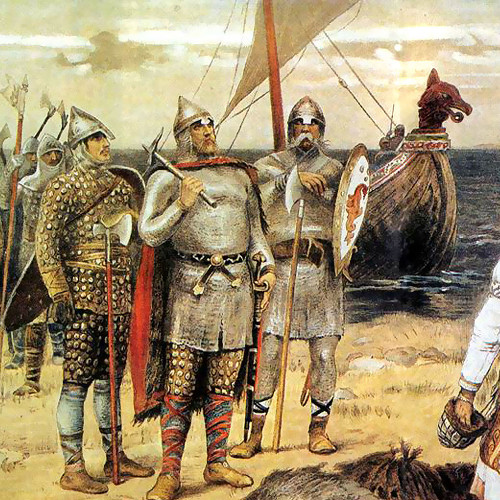 Oeselians
Oeselians
The Old Norse Sagas mention the Finnic Vikings from Estonia (Vikingr fra Esthland). The largest island of Estonia called Oesel (or Saaremaa) was home to the Oeselians, fierce warriors who sailed ships called piraticas which dragon or snakehead prows and quadranguar sails. One saga mentions a fierce battle off the coast of Saaremaa between Oeselians and Icelandic Vikings in 972 AD. The Livonian Chronicle mentions how they were surrounded by the sea and never fear strong armies as their strength is in their ships. In summers they oppressed surrounding lands by raiding both Christians and pagans. A fleet of Oeselians ravaged southern Sweden and forced Danish King Valdemar I to mobilize his entire fleet to stop them. Oeselians most famous raid was an attack on the former Swedish capital and Viking city of Sigtuna. The head god of the Oeselians was Tharapita (associated to Thor) who was born on a forested mountain in Estonia and flew to Saaremaa. This co-incided with a major meteor disaster in 660 BC that formed a huge crater on the island.
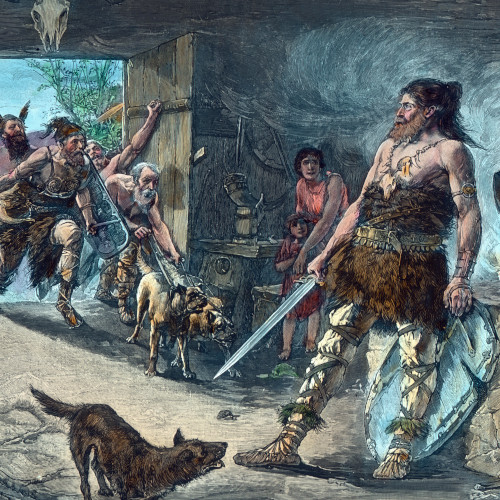 Osi Tribe
Osi Tribe
The Osi were an ancient tribe dwelling beyond the Quadi in a woody and mountainous country bordering the Celtic Boii, Daci and numerous Germanic tribes - this region equites to modern Poland, Slovakia, Hungary and Ukraine. Tacitus records these people as speaking Pannonian and Gallic tongues - they are believed to have originated in Celtic lands to the west and migrated to this region in order to farm and mine iron. Cut off from the Celtic world they were forced to pay tribute to the Germanic tribes in the area. During the campaigns of Marcus Aurelius against the Marcomanni, the Osi resettled to southern Pannonia. Eventually records of the Osi disappear as they are thought to have merged into the Suevi population who had by 250 AD formed a vast confederation in the broader region.
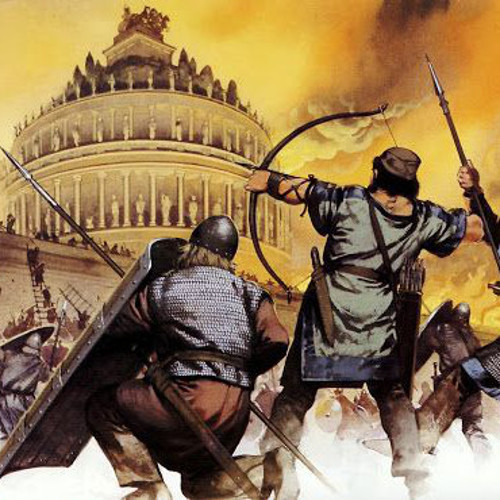 Ostrogoths
Ostrogoths
Originating from Scandinavia, the Goths of Eastern Europe were shattered when Attila and the Huns blasted onto the scene. The Gothic kingdom was split - those who crossed the Danube to enter the Roman Empire became the Visigoths. The Ostrogoths who remained in Dacia to face the Huns became their vassals. They migrated into the Roman province of Pannonia (modern day Hungary, Austria and Croatia) and fought with their Hunnic overlords against the Romans, Visigoths and their allies. When the Hunnic empire was defeated, the newly independent Ostrogoths remained in Pannonia. When the western Roman empire collapsed to the warlord Odoacer, the Byzantines looked to the Ostrogoth King Theodoric to reclaim Italy in 488 AD. After liberating Italy, the Byzantines treated Theodoric as an equal. Under Theodoric's rule, Italy flourished and Roman laws and customs continued under Ostrogothic rule, becoming the strongest in western Europe. In 535 AD after Theodoric's death, the Gothic war with Byzantium began and Emperor Justinian won ending the Ostrogothic kingdom.
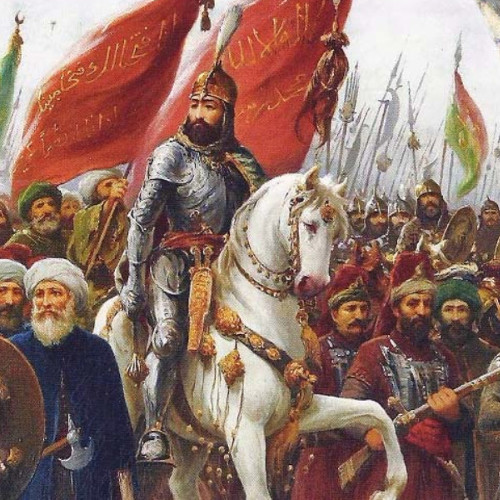 Ottomans
Ottomans
The Ottoman Empire grew to be one of the most powerful states in the world during the 15th and 16th centuries. At the height the empire encompassed most of southeastern Europe to the gates of Vienna, including present-day Hungary, the Balkan region, Greece, parts of Ukraine and the Middle East, North Africa and large parts of the Arabian Peninsula. The term Ottoman is a dynastic appelation derived from Osman I, the nomadic Turkmen chief who founded both the dynasty and the empire in 1300. The Ottoman period spanned more than 600 years and came to an end only in 1922 when it was replaced by the Turkish Republic and various successor states in southeastern Europe and the Middle East.
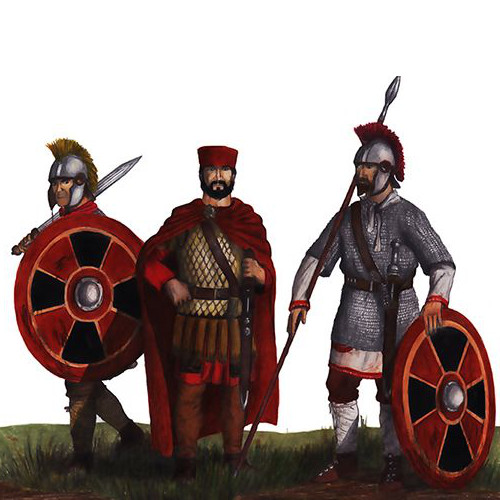 Pannonian Illyrians
Pannonian Illyrians
Pannonians were Illyrian tribes who inhabited the southern part of what later became Roman Pannonia which included Dacia, the northern Pannonian plain and the eastern Alps. Some Pannonian tribes were even Celticized. Archaeology shows they were culturally different from southern Illyrians and the Celts. Iron mining and production was an important aspect of their lives. Like other Illyrians, they frequently came into conflict with the neighboring Ancient Macedonians. The Roman Republic subdued the Illyrians during the 2nd century BC. Augusuts crushed the revolt resulting in the divisions of Illyria into Pannonia in the north and Dalmatia in the south. They were notorious seafaring people who used fast and maneuvrable ships which were later adopted by the Romans. Greco-Roman historians regarded them as bloodthirsty, unpredictable, turbulent and warlike. Herodianus wrote the Pannonians were tall and strong and always ready to fight and face danger. Their rulers wore bronze torques around their necks.
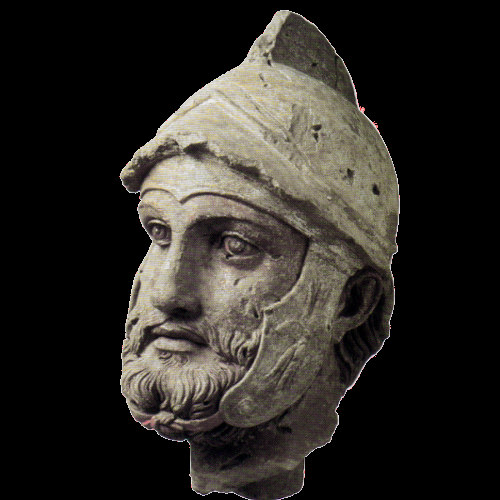 Parthian Empire
Parthian Empire
The Parthian Empire, also known as the Arsacid Empire, was a major political and cultural power in Ancient Iran from 247 BC to 224 AD. At its height the Parthian Empire stretched from the Euphrates to central-eastern Turkey to Afghanistan and Pakistan. Located on the Silk Road, the Empire was at the center of trade between the Roman Empire and the Han dynasty of China. Parthians adopted parts of Hellenistic and Persian cultures. Their earliest enemies were the Seleucids to the west and the Scythians to the north. As Parhtia expanded westward it came into conflict with the Kingdom of Armenia and then the late Roman Republic. The Parthians destroyed the Roman army of Marcus Licinius Crassus and captured the whole of the Levant minus Tyre. Mark Antony led a counterattack and the Roman-Parthian Wars lasted for a few centuries.
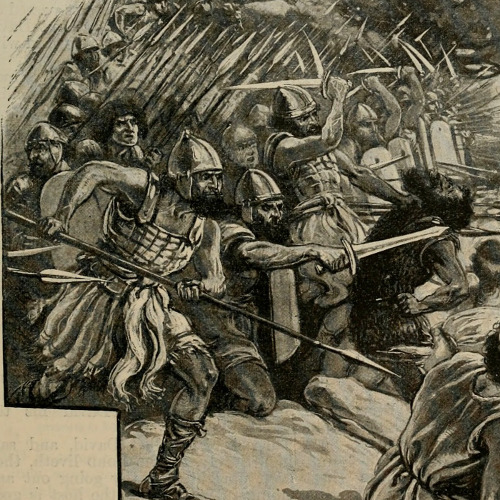 Philistines
Philistines
The Philistines were an ancient people who lived on the south coast of Canaan between 1200 BC and 604 BC. They are believed to be part of the Sea People who ravaged the Mediterranean region in the Late Bronze Age destroying cities and causing havoc to coastal towns including the destruction of the Hittite Kingdom and attacks against Egypt. Philistine pottery found in Ashkelon shows Greco origin although links to Minoans and even the ancient city of Troy have been considered as the source of the culture. In 1150 BC, the Philistines arrived in Ashkelon and conquered it from the Canaanites. Ashkelon became one of the 5 great Philistine cities which would constantly war with the Israelites and Kingdom of Judah in a long feud over the Canaan region. After defeat against the Babylonian King Neubchadnezzar II in 604 BC, Ashkelon itself was burnt to the ground and the people exhiled ending the Philistine civilization.
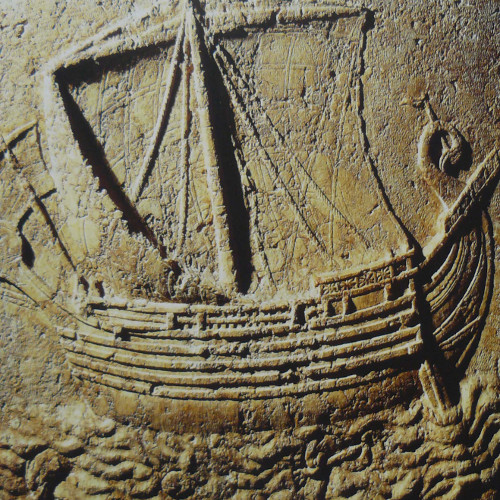 Phoenicians
Phoenicians
Phoenicia was a thalassocratic, ancient Semitic-speaking Mediterranean civilization that originated in the Levant, specifically Lebanon, in the west of the Fertile Crescent. Scholars generally agree that it was centered on the coastal areas of Lebanon and included northern Israel, and southern Syria reaching as far north as Arwad, but there is some dispute as to how far south it went, the furthest suggested area being Ashkelon. Its colonies later reached the Western Mediterranean, such as Cadiz in Spain and most notably Carthage in North Africa, and even the Atlantic Ocean. The civilization spread across the Mediterranean between 1500 BC and 300 BC. The Phoenician alphabet became one of the most widely used writing systems, spread by Phoenician merchants where it evolved and was assimiliated by many other cultures including the Roman alphabet used by Western civilization today.
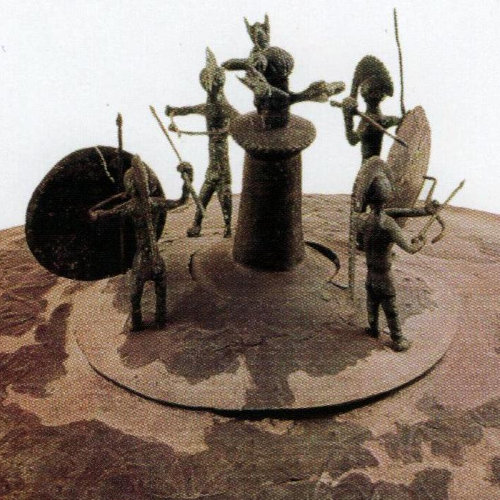 Piceni
Piceni
As an ancient Italic tribe flourishing in central Italy from the Iron Age onward, the Piceni people carved out a vivid existence, marked by a blend of formidable martial prowess and sophisticated artistry. The Piceni were based in what is now the modern region of Marche in central Italy. They primarily occupied the area along the Adriatic coast and the interior lands, stretching approximately from the Tronto River in the south to the Cesano River in the north. Their culture, evidenced by the striking pottery and metalworks excavated from their lands, tells a story of a society both vibrant and complex. The Piceni navigated the treacherous waters of regional power struggles with shrewd alliances and a robust sense of independence, often clashing with neighboring tribes and, eventually, the encroaching forces of the Roman Republic. Despite their brave resistance, they were ultimately absorbed by the expanding Roman Empire, their distinct identity melding into the broader Roman tapestry.
 Picts
Picts
Picts
Celtic people first arrived in the Britain in the first milennium BC - divided into the Britonic, Gaelic and Pictish people who were for unknown reasons hostile to each other. The Romans arrived in Britain and attempted to subjugate the territory of Caledonia (deriving from a local Pictish tribe called the Caledonii) to no avail as the Pictish locals provided very stiff resistance. Emperor Hadrian built a fortified wall to serve as a barrier between Roman Britain and the Pictish tribes. As the Romans left, a Germanic peoples arrived in Britain called the Anglo Saxons around 450 AD. Scotland at this time was divided into 3 regions - Pictland, the Scotti (who were actually from Ireland) and Alt Clut with the Anglo Saxons to the south. The Gaels and Picts united to form the Kingdom of Alba which became Scotland.
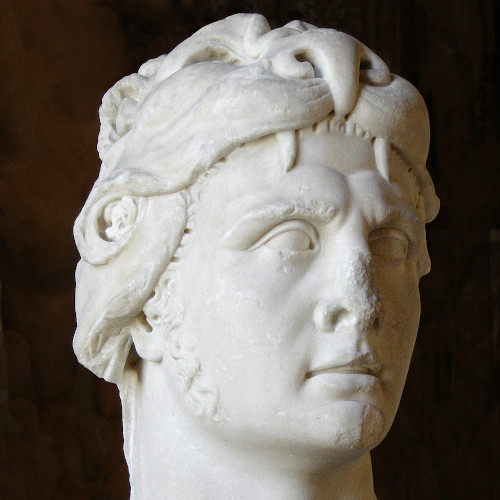 Pontic Empire
Pontic Empire
The Pontic Empire centered around the Black Sea and was founded by the Persian Mithridatic dynasty with a mixed population of Hellenic Greek settlers and people from Persia and the Steppes. The kingdom was Hellenized and the offical language was Greek. It was divided into two distinct areas - the coastal region and the Pontic interior. The coastal region bordering the Black Sea was separated from the mountainous inland by the Pontic Alps. The coastal regions were dominated by Greek cities such as Amastris and Sinbope which became the Pontic capital. The coast was rich intimber, fishing and olives, and the region also had rich supplies of iron, silver, copper and other metals. The Hellenic coastal regions focused on sea trade, whereas the interior was ruled by Iranian aristocracy that had a history back to the Persian Empire. The gods of the kingdom were a mix of Persian and Greek deities including the Persian Ahuramazda, Apollo and Mithras. The Pontic culture was a synthesis between Iranian, Greek and Anatolian elements. Eventually pirate activity increased in the Eastern Mediterraean enabling the Roman General Pompey to invade. The western half and Greek coastal cities were annexewd by Rome directly, whereas the interior and eastern kingdom remained an independent client kingdom of Rome.
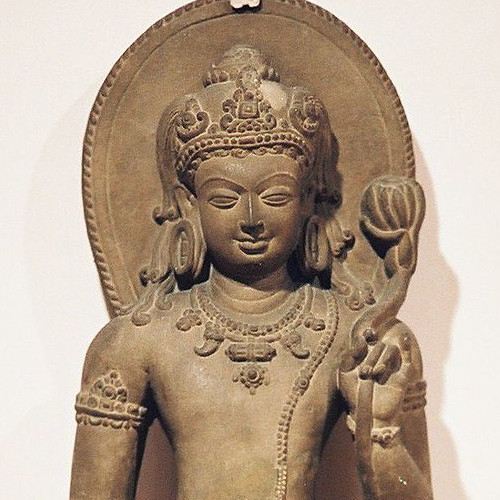 Pyu Kingdoms
Pyu Kingdoms
In Ancient Burma, the Pyu Kingdoms or city-states existed from the 2nd century BC (Bronze Age) until the 11th century AD, and were founded as part of the southward migration by the Tibeto-Burman-speaking Pyu people. The thousand-year period, also known as the Pyu millenium, linked the Bronze age to the beginning of the classical states period when the Pagan Kingdom emerged in the 9th century. The Pyu culture was heavily influenced by trade with India, importing Buddhism as well as cultural, architectural and political concepts. The Pyu calendar, based on the Buddhist calendar, became later the Burmese calendar. The written script used by the Pyu was based on the Indian Brahmi script. The civilization came crashing down in the 9th century, when the city-states were destroyed by repeated invasions from the Kingdom of Nanzhao. The Bamar people, who came from Nanzhao, setup garrisons in the nearby rivers. Eventually the Pyu settlements which remained were absorbed into the expanding Pagan Kingdom. The Pyu language existed until the 12th century AD. Histories and legends of the Pyu were incorporated into those of the Bamar.
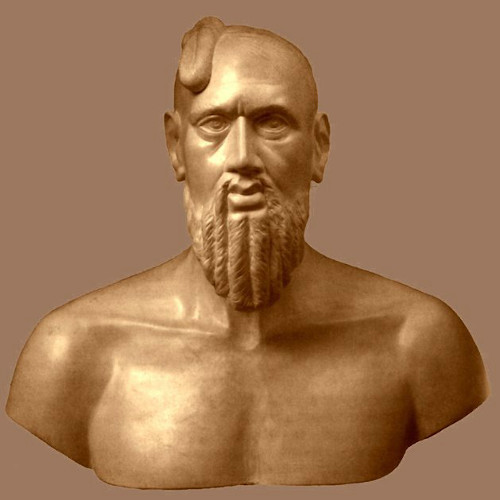 Quadi
Quadi
Quadi
The Quadi were a Germanic tribe who lived in modern Moravia, Slovakia and Austria during their first encounters with the Roman Empire. They were a Suebian tribe related to the Marcomanni and Longobards who moved into the region previously inhabited by the Celtic Boii. They had a warlike spirit governed by kings of their own noble stock. For centuries they fought wars with the Romans. Emperor Valentinianus spent most his reign defending the Danube frontier against hordes of Quadi, Goths and Sarmatians united under Quadi King Gabinus. The eventual fate of the Quadi is not so clear - it is thought some migrated with the Vandals to northern Portugal, others settled into Pannonia whilst modern Bavaria still shares linguistic ties to the ancient Quadi homeland.
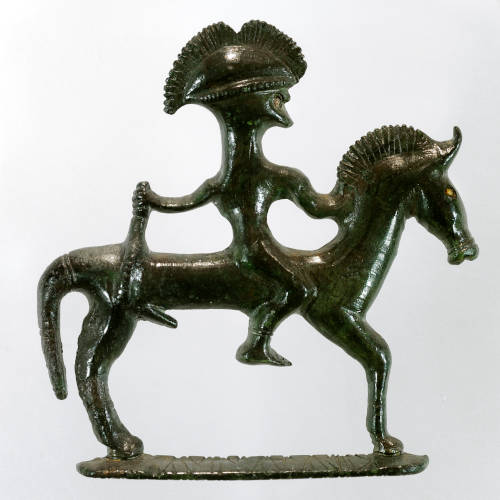 Rhaeti
Rhaeti
The Rhaeti were a conferation of Alpine tribes whose language and customs derived from the Etruscans. It is thought they were originally Etrsucans based in northern Italy who were displaced by the attacking Gauls and fled into the Alps and by 500 BC they controlled much of central Switzerland. The northern Rhaeti traded and allied with their Celtic northern neighbor the Vindelici which made the Celtic language widespread. Both groups were subjugated by the Imperial Roman army in 15 BC and the Roman province of Raetia et Vindelicia was established. The Rhaeti tribes were very loyal to Rome and contributed very large numbers of recruits to the Imperial Roman auxiliary corps. Latin became the dominant language and it is thought today in the Swiss canton of Graub¨nden that the 4th national language of Switzerland, Romansch, is a mix of Latin, Celt and ancient Rhaetian.
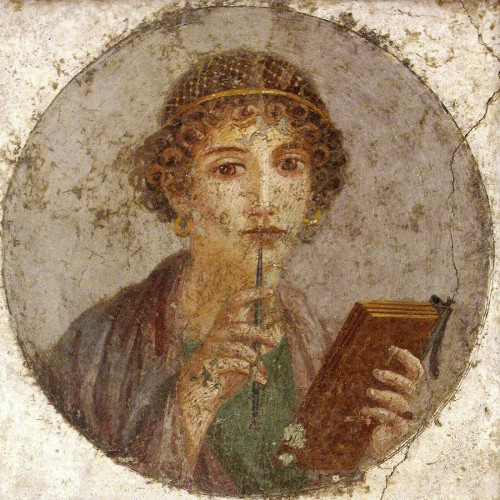 Romans
Romans
The founding of mighty Rome starts with the story of Romulus and Remus. Whether they were suckled by a she-wolf as infants or descended from the Trojan War hero Aeneas, the Latins who settled Rome had their crude dwellings tranformed into a true city by their Etruscan overlords. The Etruscans were master builders who gave Rome its architecture, gods, and gladiators. After overthrowing their conquerors, the Roman Republic expanded quickly to incorporate the Latins, Etruscans (originally from Anatolia), Greek settlers to the south and Gauls to the north. Republic gave way to Empire and after a thousand years it was time for Rome to face its end. Although numerous invaders arrived on the scene as the empire weakened and crumbled, the wars with the Ostrogoths from 535-554 AD had a lasting impact that left Italy devastated and depopulated.
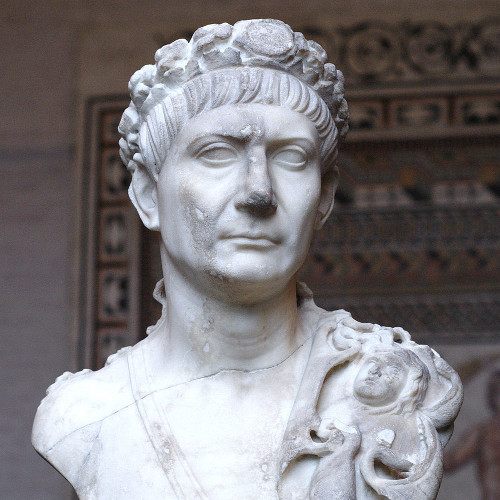 Roman Hispania
Roman Hispania
The Lusitani and Celtiberians who lived in western Iberia resisted Roman attempts to pacify them until 61 BC when Julius Caesar arrived on the scene. The final conquest of Hispania was accomplished under Augustus, between the years 39 and 19 BC. In 13 BCE Hispania was divided into three provinces: Baetica, Lusitania, and Tarraconensis. Hispania was significantly Romanized throughout the imperial period and it came to be one of the most important territories of the Roman Empire. Emperors Trajan and Hadrian were both born there and most all of the people of Hispania were granted Roman citizen status. Despite this, Legio VII Gemina was permanently stationed in Hispania Tarraconensis. Its base was at Leon to be close to, and to protect the gold and iron mines of Gallica. Hispania finally fell from the Roman Empire with the great Germanic migrations of the 4th and 5th centuries AD. Alani, Seuvi, Vandals and Visigoths poured through Gaul and into the west, effectively removing Hispania from Roman control by about 409 AD. Hispania's economy expanded greatly under Roman Rule. The province, along with North Africa, served as a granary for the Roman market, and its harbors exported gold, wool, olive oil, and wine. Agricultural production increased with the introduction of irrigation projects, some of which remain in use even today.
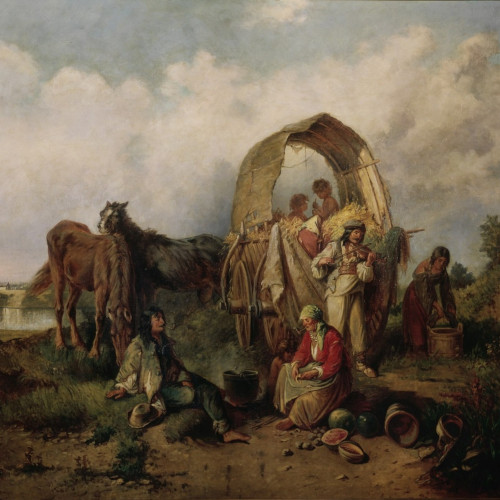 Romani People
Romani People
The Romani are an Indo-Aryan population who are believed to originate from the Indian subcontinent in the Iron Age. This is evidenced by linguistic and genetic evidence, specifically the region of Rajasthan in northwestern India. It is believed the Roma people reached Anatolia and the Balkans around the 12th century from where they had left India 600 years earlier. As Romani groups did not chronicle their history or have oral accounts much of the early history is based on linguistic theory and only recently DNA. Romani also shares many linguistic features with Sanskrit, Hindi and Bengali including numbers.
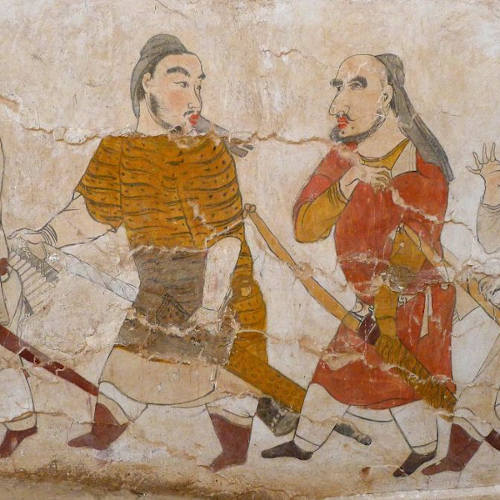 Rouran Khaganate
Rouran Khaganate
The Rouran Khaganate were the first people who used the title of khan or khagan and are believed to be descended from the Xianbei. They were a nomadic people who remained in the Eurasian Steppes after most the Xianbei migrated south settling in Northern China. They were fierce warriors but politically fragmented until 402 AD when Shelun united the Rouran under one banner. They defeated the neighboring Tiele and expanded territory over the Silk Roads. They also forced the Hepthalites south which displaced the Yuezhi in Bactria forcing them further south. The Khaganate lasted from the late 4th century until the middle 6th century, when they were defeated by the Gokturk rebellion which led to the rise of the Turks. Rouran is a Classical Chinese transcription of the endonym of the peoples, but Xianbei sources from orders given by Emperor Taiwu of Northern Wei, Ruanruan and Ruru provide a meaning similiar to a wriggling worm. The Rouran eventually fled west afterwards and possibly merged with the Pannonian Avars.
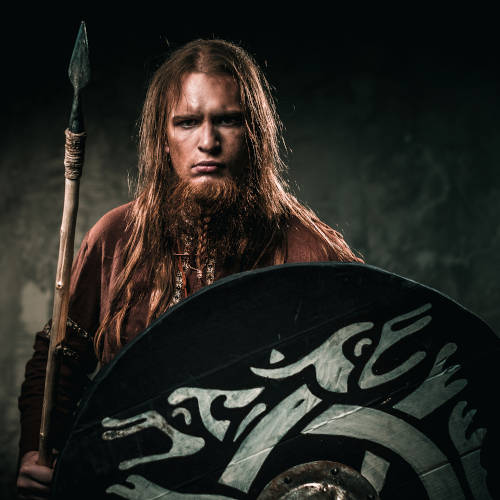 Rugii
Rugii
Rugii
The Rugii (Old Norse for rye eaters) were an East Germanic tribe who migrated from southwest Norway to Pomerania around 100 AD. Tacitus mentions them as adjacent to the Goths on the Baltic Sea and characterized them as carrying round shields and short swords or spears. Around the middle of the 2nd century AD, there was a significant migraiton of Germanic tribes of Scandinavian origin towards the south-east creating turmoil on the Roman frontier. Many Rugii left the Baltic coast during the migration period alongside Goths, Gepids and Burgundioans. In the beginning of the 4th century, large parts of the Rugii settled at the upper Tisza in ancient Pannonia (Hungary). They were at first attacked by the Huns but then joined Attila's campaign in 451 against Rome. When Attila died, they rebelled and created a kingdom called Rugiland in lower Austria north of the Danube. A few years later the Rugii joined the Ostrogothic king Theodoric the Great in his invaion of Italy. After the Gothic War against Byzantine Emperor Justinian ended in defeat, the Rugii seemed to have vanished to parts unknown.
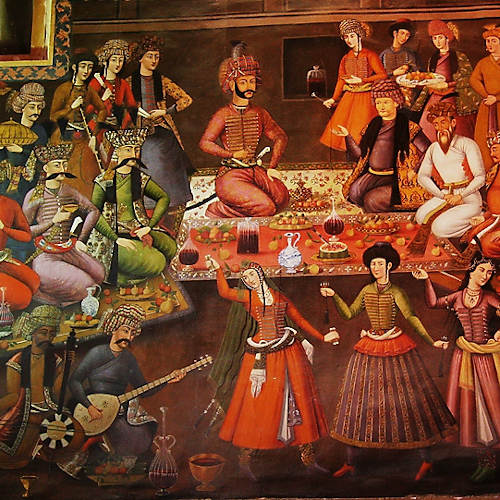 Safavid Dynasty
Safavid Dynasty
The Safavid Dynasty was one of the most significant ruling dynasties in Iran. At their height, they controlled the modern nations of Iran, Azerbaijan, Bahrain, Armenia, eastern Georgia, Iraq, Kuwait, Afghanistan and parts of Turkey, Syria, Pakistan, Turkmenistan and Uzbekistan. It is believed the Safavid family hailed from Iranian Kurdistan and later moved to Azerbaijan. The dynasty was from the very start intermarried with both Pontic Greek and Georgian lines. After the decline of the Timurid Empire, the Safavid dynasty was founded by Shah Ismail. He was the last in the line of hereditary Grand Masters of the Safaviyeh order. His expansionistic approach put the dynasty in direct conflict with the Ottoman Empire as they vied for control of parts of Anatolia. The highest level in the government was the Prime Minister or Grand Vizier who would be chosen among doctors of law. Public land was under the rule of local governors or Khans. The favorite language at the court and in the army was Persian Turkish due to the Turkic origins of the Safavid dynasty.
 Saka
Saka
Saka
The Saka were a group of nomadic peoples who inhabited the northern and eastern Eurasian Steppe and formed part of a wider Scythian culture. Related to the previous Andronovo culture, their language formed part of Scythian languages. They were encountered by the Babylonians, Egyptians, Ancient Greeks, Persians, Chinese as well as by the people of the Indian subcontinent where they were known as Indo-Scythians. Sakas also invaded the Parthian Empire and parts of China. Greek historians recorded how the Saka overran Bactria taking the place of the Greeks. They were known to wear trousers and tall stiff caps rising to a point and would carry bows, daggers and a battle-axe known as the sagaris.
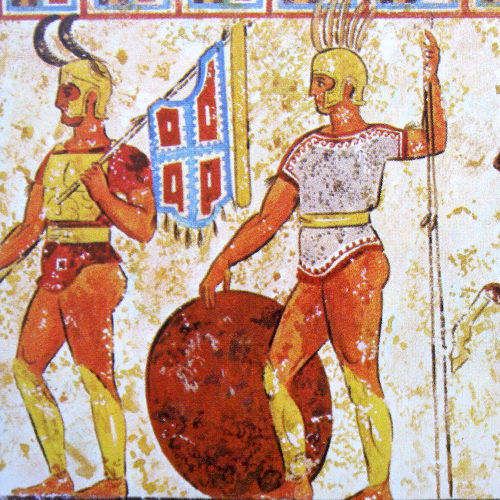 Samnites
Samnites
The Samnites were a powerful nation of indo european hill peoples who dominated the southern part of Italy. They consisted of four tribes - the Hirpini, Caudini, Caraceni and Pentri. They were ferocious in combat and offered fierce resistance to Rome in 3 different wars. At the Battle of the Caldine Forks, the Samnites delivered a humilating defeat to the Romans who were ill equipped to fight in the mountainous terrain. As a result the Romans were forced to abandon the Hoplite Legion to which they had adapted from the Etruscans - thus the creation of the Manipular Legion which was versatile and allowed adapation to different terrains. Furthermore the Romans realized the importance to extend careers for soldiers as considerable time was now required to train them. In 290 BC, the Samnites had finally been conquered and adapted into a new territory under the Roman Republic. The popular Roman gladiator class Samnite was later named after these people of Samnium.
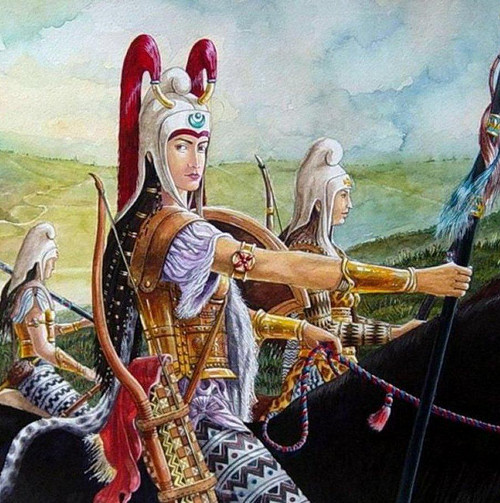 Sarmatians
Sarmatians
The Sarmatians were a large confederation that flourished around the 5th century B.C and related to the Scythians. They were Caucasoid in appearance, fairly tall with long hair and beards. Reportedly many Sarmatians had reddish hair and wore long flowing robes. They would ride horseback and throw javelins while mounted. Originating in the Eurasian Steppes, they migrated westeward and dominated the Scythians by 200 B.C. They ranged from the mouth of the Danube to the Volga and bordered the shores of the Black and Caspian seas. The territory known as Sarmatia includes much of Ukraine, southern Russia and parts of the Balkans. The dominance of the region ended with the arrival of the Goths and the Hunnic invasions. Sarmatians were eventually assimiliated into the Proto-Slavic population of Eastern Europe.
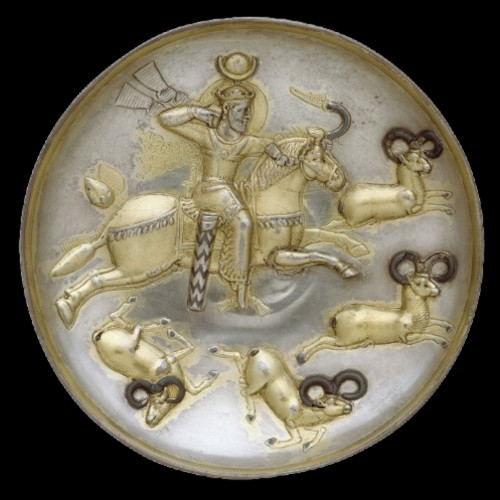 Sasanian Empire
Sasanian Empire
The Sasanian Empire existed from 224 to 651 AD, covering modern-day Iran and parts of Iraq, Armenia, Central Asia, and the Arabian Peninsula. The Sasanian Empire revived Persian glory, blending ancient traditions with new cultural advancements, especially in art and architecture. The empire boasted monumental structures like the Palace of Ctesiphon and intricate stone reliefs that showcased their impressive craftsmanship. As a military powerhouse, the Sasanians defended their borders fiercely against the Byzantine Empire while engaging in rich trade with India and China. Their state-sponsored promotion of Zoroastrianism shaped religious and cultural life, leaving a lasting impact on the region long after their fall.
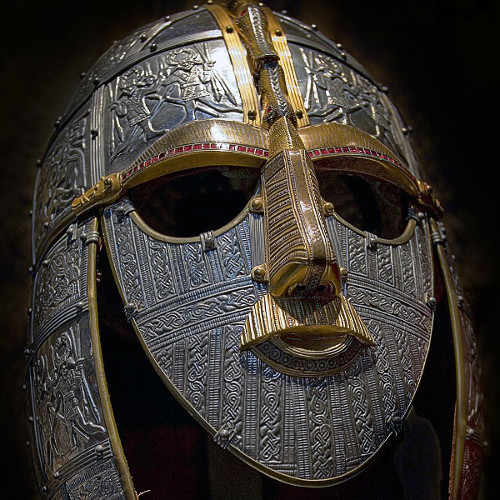 Saxons
Saxons
In the darkest days of the Roman Empire, a barbarian horde rose with villages stretching across the North Sea terrorizing both sides of the English Channel. The Saxons were warrior kings who lived for glory and gold. It is said in the 5th century, the British Warlord Vortigern sought help to fight the Picts and the Scots. The Saxon mercenaries led by Hengest and Horsa arrived on the scene. When they were not paid they began to invade the entire island, especially with flooding and coastal changes washing away their homeland forcing mass migrations. The southern coast kingdoms of Essex, Wessex and Sussex were settled by the Saxons. The word Saxon derives from the single-edged sword they would often yield in combat - the seax. The origins of the Saxons themselves remains a mystery - however they had migrated from the North Sea coast of northern Germania - the location of the German state of Lower Saxony.
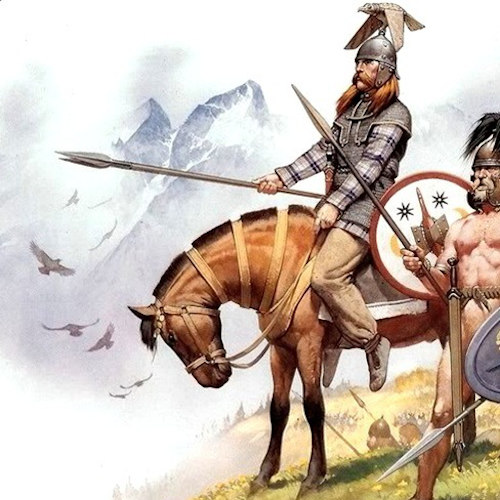 Scordisci
Scordisci
The Scordisci were a Celtic group formed after the Gallic invasion of 300,000 strong into the Balkan region forming a new mix of local Illyrians, Thracians and Celts with settlements in Illyria, Thrace and Dacia. They subjugated the Pannonians and celticized them. At their peak of expansion the Scordisci territory stretched into modern day Serbia, Croatia, Bulgaria and Romania. By the 2nd half of the 3rd century BC they became the most important power in the northern Balkans. Philip V of Macedon is the first to mention this group as they allied with Macedonia against Rome. Roman historians state the Scordisci drank blood and sacrificed prisoners to deities similiar to Mars, the Roman god of war. In 15 BC the Scordisci were crushed by Emperor Tiberius who forced them to become subjects of Rome.
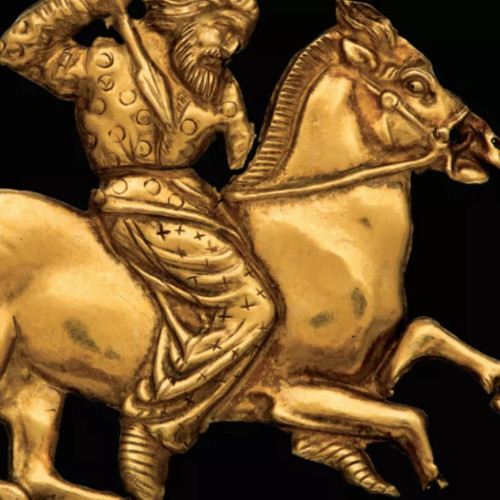 Scythians
Scythians
Scythians had a reputation as the epitome of savagery and barbarism - they were among the earliest peoples to master mounted warfare. They lived in tent-covered wagons and fought with composite bows shot from horseback. With great mobility, Scythians could absorb the attacks of more cumbersome footsoldiers and cavalry, just retreating out of range. Various barbed and poisoned arrows would be used. Western Scythians were based in modern-day Ukraine, Southern Russia, Romania and Bulgaria. Scythians obtained their wealth from the control over trading slaves, grain, wheat, flocks and cheese.
Physically they appeared Europid although some had Euro-mongoloid phenotypes. Most descriptions mention them as red or fair-haired with blue-grey eyes. Scythian sites show rich and brightly colored textiles, leatherwork and woodwork, as well as tattooing.
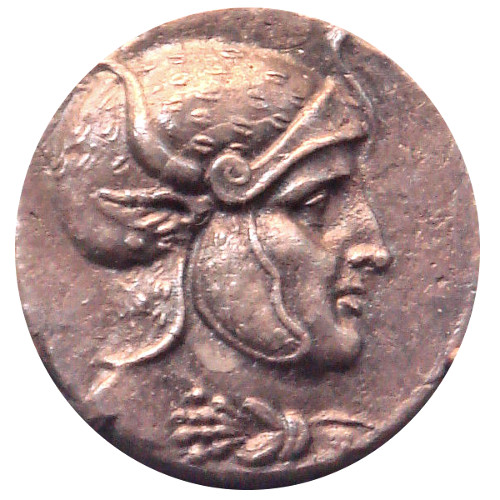 Seleucid Empire
Seleucid Empire
Following the death of Alexander the Great, the Macedonian Empire was divided. Alexander's infantry general Seleucus I Nicator founded the Seleucid Empire which included much of Alexander's near eastern territories. At the peak, this included central Anatolia, Persia, the Levant, Mesopotamia, Kuwait, Afghanistan and parts of Pakistan and Turkmenistan. The Seleucid Empire was a major center of Hellenistic culture and maintained Greek customs with a Greek elite dominating urban areas. The cities were populated by Greeks who re-enforced largescale immigration from Greece. The Empire tried to expand further but was thwarted by the Roman Republic and its Greek allies leading to defeat at the Battle of Magnesia. The Seleucids were forced to pay costly war reparations and give up territories west of the Taurus Mountains. The Seleucid kings continued to rule until invasion by the Armenian king Tigranes the Great in 83 BC and their ultimate overthrow by the famous Roman general Pompey in 63 BC.
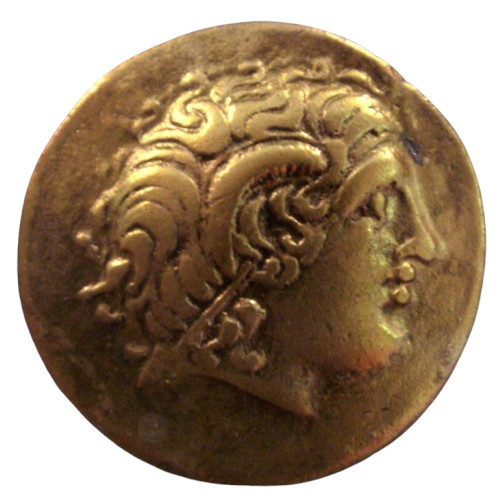 Gallo-Celtic Sequani
Gallo-Celtic Sequani
The Sequani were a Gallo-Celtic tribe that thrived in eastern Gaul, in an area now part of modern-day France and Switzerland, during the late Iron Age. Renowned for their strategic mastery of the regions river valleys, including the vital artery of the Doubs River, their land was a nexus of rich trade routes that attracted commerce and cultural exchange. Notably, they were participants in the epic struggle against Rome during the Gallic Wars, aligning with other tribes under the leadership of the iconic Vercingetorix. Their capital, Vesontio, now Besancon, was a formidable stronghold that famously resisted Julius Caesar in 58 BC, though it eventually fell to Roman domination. The Sequani were also known for their distinctive art and craftsmanship, particularly in metalwork, which displayed intricate designs and high skill, reflecting their complex spiritual beliefs and social hierarchy. Despite their eventual integration into the Roman Empire, the legacy of the Sequani lingers in the archaeological remnants and cultural heritage of the region, showcasing their enduring influence.
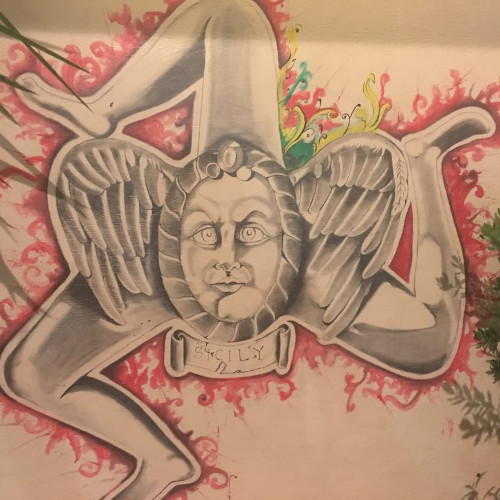 Sicani
Sicani
The Sicani are the oldest inhabitants of Sicily with a recorded name. The origins of these people have been debated since ancient times - modern DNA analysis does shed some light on this: perhaps Timaeus of Tauromenium had it best explained in 300 BC when he stated they were indigenous to Sicily. The proto-Sicani had left cave paintings as old as 8000 BC which is esimated to be 2000 years after their first arrival to Sicily at the end of the last Ice Age. It is thought the same proto-Sicani people migrated to Malta and were perhaps the most advanced civlization in Europe during this ancient time. It is clear from archaeological research that the Sicani were influenced greatly by the Mycenaeans before the Greek colonization of Sicily. They first appear in historical records with the Phoenicians who established colonies during the 11th century BC - well before the Greeks who founded the colony of Syracuse which in ancient times had a population of 300,000. Only after the Roman Empire annexed Sicily much later did the Sicani people themselves disappear as a distinct group - it was then that they became part of the local population.
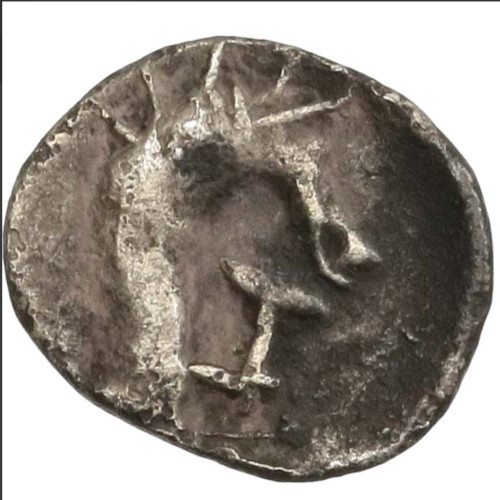 Sordones
Sordones
The Sordones were a pre-Indo-European people whose territory was located in present-day French Roussillon forming the border of Gaul and Iberia. They are classified as either Gallic or Iberian - it is thought they spoke Iberian despite cultural similiarities to Gaulish tribes. According to ancient tradition - the Nuragic culture in Sardinia had its origins here - hence the name Sardones or Sordones and the link to Sardinia. Victims of geography, it is thought the Sordones were Ligurized in the 10th century BC as evidenced by the fields of urns present in the region. Later they were Iberized in the 4th-5th century BC before being Celticized in the 3rd century BC - this is of course before the arrival of the Romans at the end of the 2nd century when this territory become an important part of the Roman Republic.
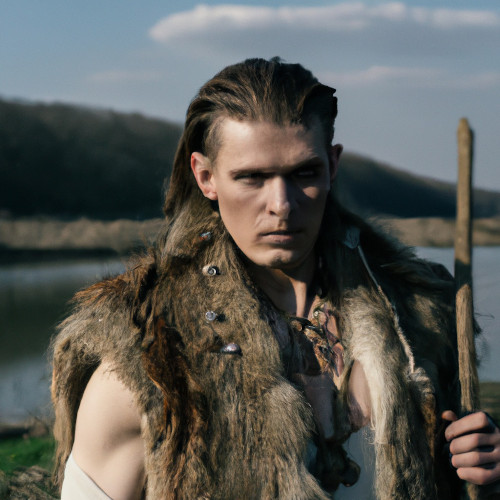 Germanic Suebi
Germanic Suebi
The Suebi were a large Germanic peoples originally from the Elbe river region. First mentioned by Julius Caesar in connection with the invasion of Gaul, they had Been moving southwards aggressively at the expense of Gallic tribes and established a Germanic presence in the immediate area north of the Danube. Tacitus described them as the most warlike to the Germanic peoples. One group of Suebi under King Hermetic worked their way to the south of France, crossed the Pyrenees and entered the Iberian Peninsula which was free of Roman rule - and settled in Gallaecia in north-western Iberia.
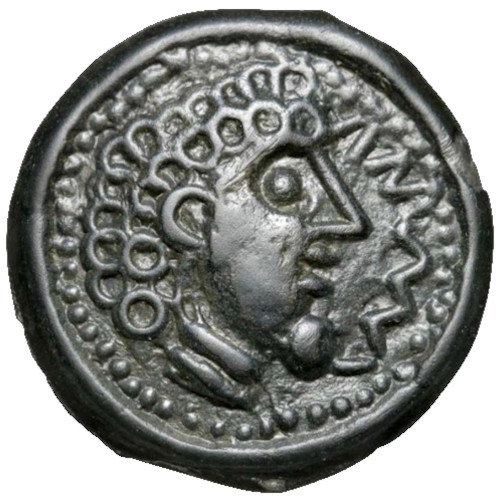 Belgic Suessiones
Belgic Suessiones
The Suessiones were a powerful Belgic tribe in northern Gaul, famed for their formidable warriors and vast territory stretching between the Oise and Aisne rivers. Allied with the mighty Remi and ruled by kings like the influential Diviciacus, they once held sway over a dozen tribes-commanding respect even beyond the Rhine. When Julius Caesar invaded Gaul, the Suessiones joined the Belgic coalition, fiercely resisting Rome's advance with bravery and tactical skill. Despite their efforts, they were eventually subdued in a dramatic siege at Noviodunum, their capital, after which they became Roman allies. Yet their legacy lived on, etched into the very foundations of Romanized Gaul and echoed in the later rise of medieval Soissons.
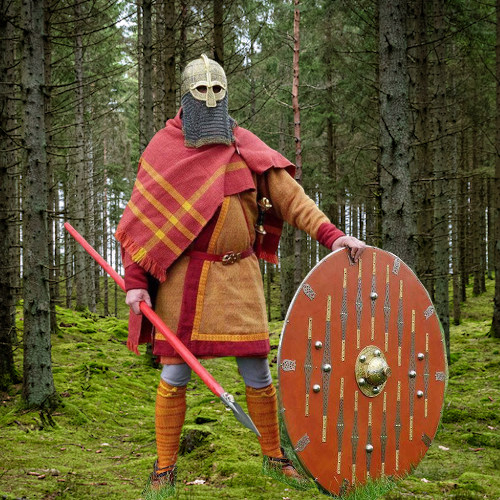 Svear
Svear
Svear
The Svear were a North Germanic tribe who inhabited Svealand in central Sweden with a tribal center in Gamla Uppand one of the main groups of people in Sweden with a tribal center in Gamla Uppsala. The Heimskringla saga mentions that the Svear were a powerful tribe whose kings descended from Freyr. To the south resided another large tribe - the Geats - in Gotaland. The Svear, Geats and Gutes were eventually united into one state over time. During the Viking Age, the Svear constituted the basis of the Varangian subset which travelled eastwards to the Rus and eventually became the Varangian Guard. The modern name of Sweden derives from the Svear as do the modern people (svenskar). The Finnish and Estonian word for Sweden - Ruotsi - meanwhile derives from the name Rus.
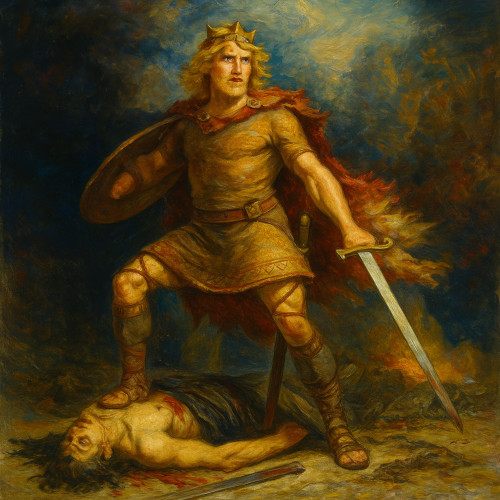 Finnic Tavastians
Finnic Tavastians
The fearsome Iku Turso, the Tavastian god of war, loomed large in the mythology of inland Finland - a thousand-headed, thousand-horned sea monster known as the ox of Tuoni, Death itself. Said to dwell in the dark reaches of Pohjola, he embodied chaos and destruction, and may have been the Tavastians own reflection of the Norse Tyr. From this mythic world of spirits and monsters, the Tavastians emerged during the early centuries AD as a distinct Finnic tribe, hardened by the forested wilds and steeped in warrior lore. They believed the spirit of Iku Turso stirred in the hearts of their fighters, lending divine fury to their battles. With iron weapons, sacred rites, and an unbreakable bond to their land, the Tavastians carved out a proud and defiant place in nordic history.
 Nordic Thelir
Nordic Thelir
The Saga of Harald Fairhair mentions the Thelir as one of the tribes tho fought against Harald Fairhair in the Battle of Hafrsfjord - Harald is of course known as the first King of Norway. The Thelir were a North Germanic tribe inhabiting the region now known as Upper Telemark in modern Norway. The region of Telemark was named after them and means forest of the Thelir. Other nearby tribes originating in Western Scandinavia included the Ragnaricii, Raumaricii, Otingis, the Adogit, Aerothi and the Rugii.
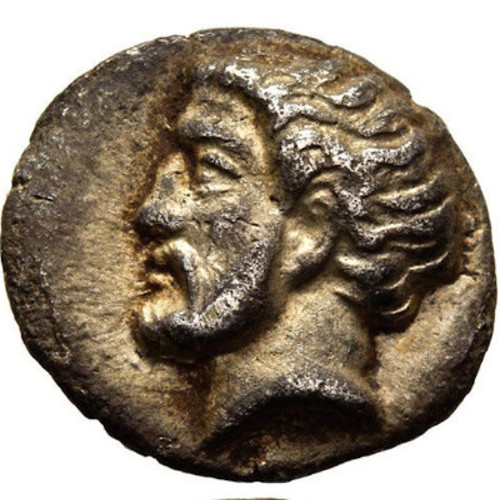 Thracians
Thracians
The greek historian Heroditus claimed the Thracians were second only to the Indians in number, and if it wasn't for their lack of unity they would be the most powerful in the world. The lack of unity led to the Thracian defeat by King Darius of the Persian Empire in the 6th century BC. After the Greek defeated the Persians in 479 BC, most Thracian tribes were united under the rule of Teres I who ruled the Odrysian Kingdom. His son Sitalces enlarged the kingdom to a regional power stretching from the Aegean to the Danube. When the Pelloponesian War in Greece began, he allied with the Athenians to fight against the Macedonians and Spartans. The alliance with the Athenians lasted about 100 years until the Thracian Odrysian Kingdom threatened Athens. However after King Cotys died, the empire split apart and Philip II of Macedon arrived onto the scene ending true Thracian power and independence.
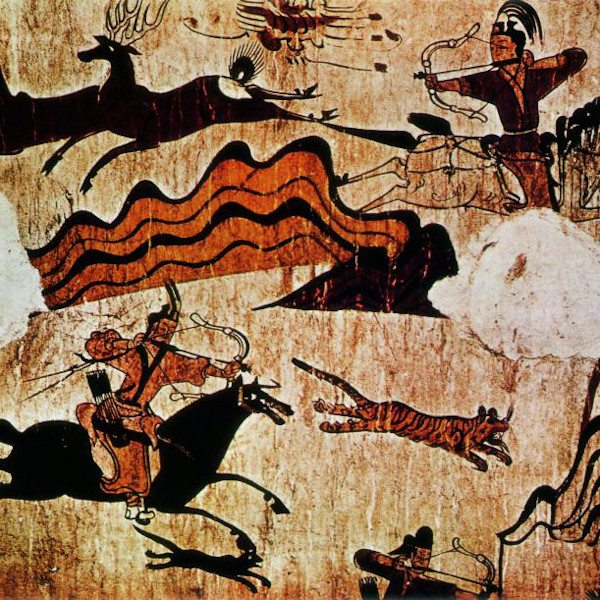 Three Kingdoms of Korea
Three Kingdoms of Korea
The Three Kingdoms of Korea consisted of Silla, Baekje and Goguryeo - later known as Goryeo from which the modern name Korea stems. These three kingdoms spanned the entire peninsula of Korea, half of Manchuria and smaller parts of Russia. Baekje and Silla dominated the southern half of the Korean peninsula whereas Goguryeo was the largest consisting of the remaining regions. Buddhism arrived in the 3rd century AD from India and became the state religion of all Three Kingdoms. By the 7th century AD, Silla allied with the Tang Dynasty of China and unifed the Korean Peninsula for the first time in history creating a national identity. Goguryeo was the largest and most militaristic of the kingdoms. It controlled not only Korean tribes but also Tungusic tribes in Manchuria. In fact after the Suia nd Tang Dynasties appeared in China, Goguryeo continued to take aggressive actions against China. Only in 668 AD were combined Chinese Tang and Korean Silla forces able to stop the Goguryeo at which point their territory was divided. The Baekje meanwhile were experts at sea - much like the Phoenicians they spread their culture and material over the sea to places including ancient Japan - evidenced by the arrival of metallurgy, advanced architecture and Chinese written characters.
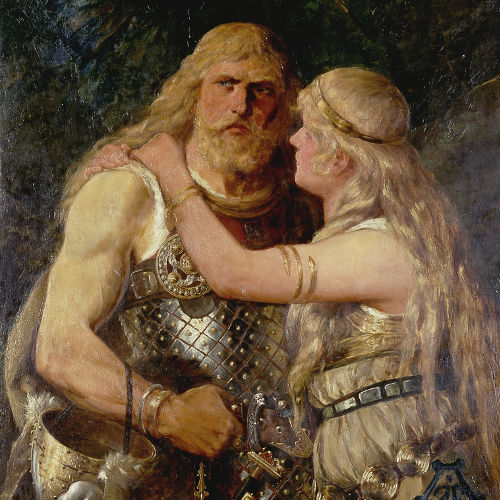 Thuringii
Thuringii
The Thuringii were a Germanic tribe that appeared during the late Migraiton Period in central Germania. It became a kingdom which came into conflict with the Merovingian Franks and was eventually conquered by the Franks. They rebelled further and parts of Thuringia came under Saxon rule as a result. Thuringii are thought to be the descendants of the Hermanduri Tribe based on the Elbe river in ancient times. They established an empire in the late 5th century and were known for taking Hunnic women as slaves. There is also evidence in the graves showing Thuringians sought marriages with Ostrogoth and Lombard women.
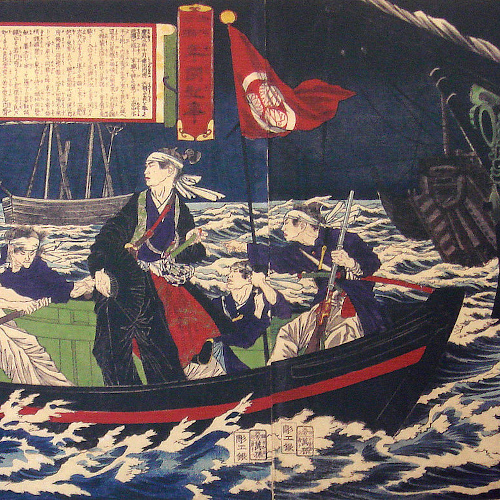 Tokugawa Shogunate
Tokugawa Shogunate
The Tokugawa shogunate was the military government of Japan during the Edo period from 1603 to 1868. It organized Japanese society under the strict Tokugawa class system which banned most foreigners in order to promote political stability. The Tokugawa shoguns goverened Japan in a feudal system leading to rapid economic growth and urbanization. There existed a strict class hierarchy with lords at the top, samurai warrior-caste next with farmers, artisans and traders ranking below.
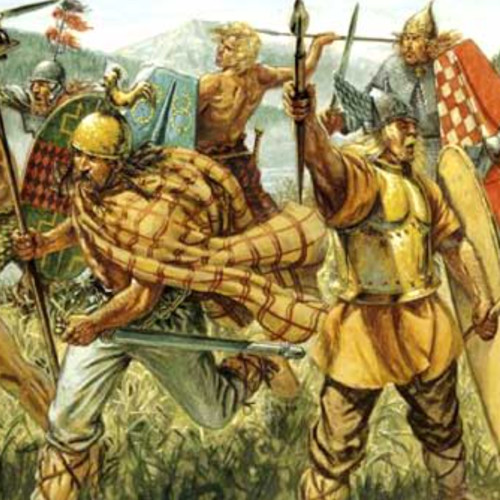 Triboci
Triboci
These people of eastern Gaul inhabited what is today Alsace. Considered Germanic by Caesar these fierce people joined the revolt of the Batavi.
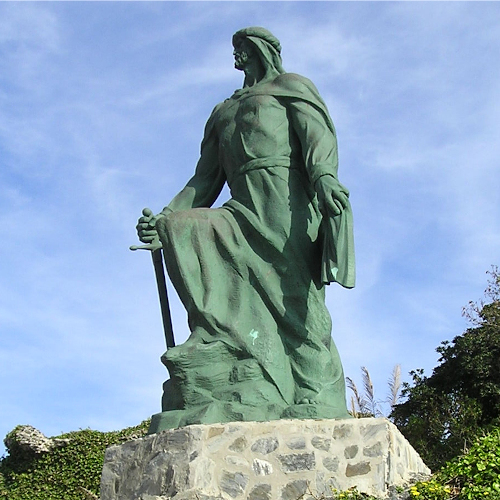 Umayyad Caliphate
Umayyad Caliphate
The Umayyad Caliphate was the second of four major caliphates founded after the death of Muhammad and at its greatest extent covered 11.1 million square kilometers making it one of the largest empires in history in terms of area. The territory was vast and multiculutural including Christians and Jews. In the early caliphate, Christians held prominent positions and some belonged to families that had served the Byzantine Empire - however the highest public offices were reserved for Muslims. During the period of the Umayyads, Arabic became the administrative language and the process of Arabization was initiated in the Levant, Mesopotamia, North Africa and Iberia. Throughout the Empire, the Umayyads constructed grand palaces, mosques and cities to fortify their boundaries. Many of these structures would incorporate Byzantine features including Roman mosaics and Corinthian columns.
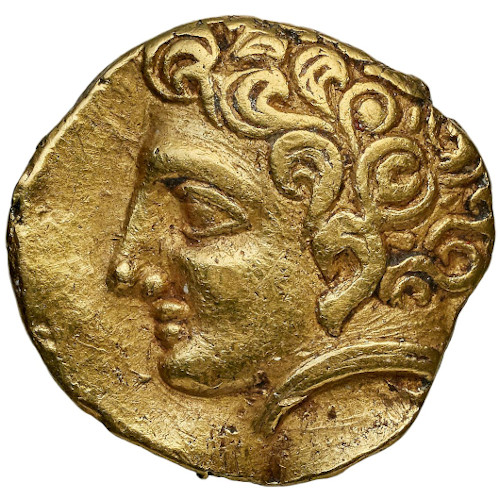 Unelli
Unelli
The Unelli were a Gallic tribe dwelling on the Cotentin peninsula in modern Normandy during the Iron Age and Roman period. Caesar first mentions them alongside other maritime states in the region such as the Veneti, Osismi and Curiosolitae. The Romans dispatched Quintus Titurius Sabinus with three legions to subjugate the Unelli who were led by Viridovix who headed a coalition of nearby Gallic tribes. Despite the huge size of this army, the Roman general entrenched himself in his camp and pretended to be afraid which led the Galli to attack the Roman camp which had been keenly established on a sloping ascent almost 2 km long. Exhausted by the uphill climb they were surprise attacked and slaughtered by Roman cavalry. Despite capitulation to Caesar in 57 BC the Unalli rebelled and sent troops to help the Gallic coalition against Rome during the famous Battle of Alesia where Vercingetorix faced off against his nemesis Gaius Julius Caesar.
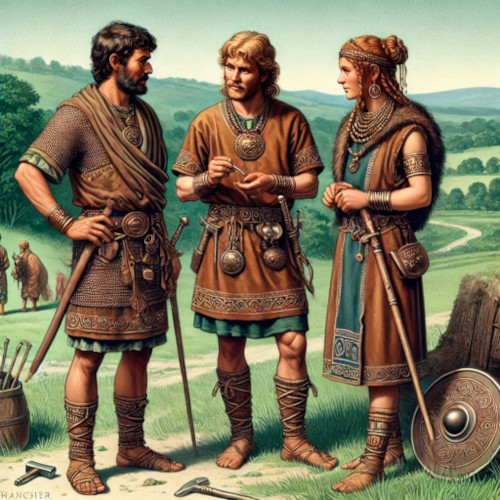 Unetice
Unetice
The Unetice culture, thriving in Central Europe from around 2300 to 1600 BC, were the Bronze Age Kings of Europe. Notable for their advancements in bronze metallurgy, they significantly impacted human development with the widespread use of bronze tools and weapons. This era is distinguished by elaborate burial practices with rich grave goods like gold ornaments and bronze daggers, indicating a society with complex social hierarchies and spiritual beliefs. The Unetice people established extensive trade networks, facilitating cultural and technological exchanges across Europe, exemplified by artifacts such as the Nebra Sky Disk, which suggests advanced astronomical knowledge. Furthermore, they laid the foundations for urban development in the region through the establishment of early proto-urban settlements and showcased remarkable craftsmanship in their intricate jewelry and finely crafted weapons, highlighting a society that valued art and aesthetics.
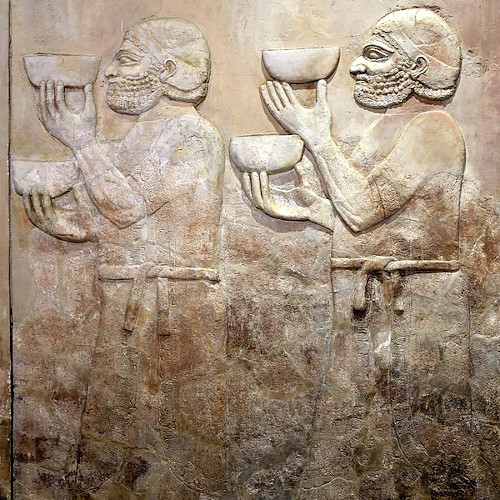 Kingdom of Urartu
Kingdom of Urartu
The Kingdom of Urartu was a civilization which developed in the Bronze Age of ancient Armenia, Eastern Turkey and northwestern Iran. The kingdom boasted a strong military and had many skilled metalworkers. The name Urartu comes from the Assyrian word for the kingdom and signifies a high place. They were known to Babylonians as Uruatri and the Hewbrews as Ararat. They began as a confederation of kingdoms which had developed from the 14h to 13th centuries BC. They prospered on an extensive fertile plateau full of crops including wheat, barley, millet, rye, sesame and flax. The Urartu also managed livestock and were skilled winemakers - in fact they built a 51km canal for vineyards! The government was a monarchy with the fortress capital Tushpa with a population as high as 50,000 at its peak.
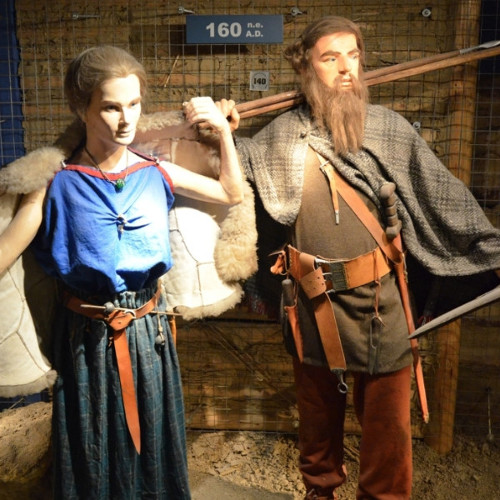 Vandals
Vandals
The Vandals were a large Germanic tribe that migrated from southern Scandinavia and first appeared in southern Poland around 120 BC. Around 400 AD, raids by the Huns forced the Vandals to migrate westwards into the Iberian Peninsula. They then established a kingdom in North Africa, Siciliy, Corsica, Sardinia, Malta and the Balearic Islands. Eventually in 455 the term Vandal became synonymous with the sacking and looting Rome.
Vandals had white bodies and fair hair, and were considered tall and handsome to look upon as per Byzantine historians. In 533 the Byzantines fought to re-conquer the Vandal territory in North Africa and Iberia. Some Vandal women married Byzantine soldiers, others were shipped back to Constantinople and absorbed into the imperial army. Some were able to move back to Spain.
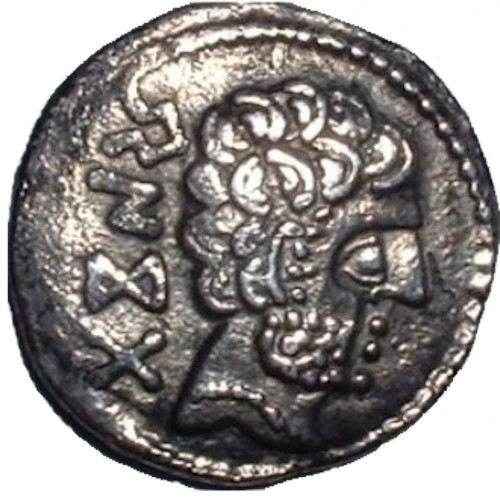 Vascones
Vascones
The Vascones are considered ancestors of the present day Basques. They and related peoples occupied a territory spanning the Ebro river and parts of the Pyrenees. The oldest document from Roman times mentions how during the Sertorian War, the Romans crossed the Ebro into the flatlands of the Vascones until reaching the neighboring Berones. South of this area were the Celtiberians. During the Roman Republic and Empire, the territory of Vascones occupied present-day Navarre, parts of Gipuzkoa, La Rioja, Zaragoza and Huesca. Later on the Visigoths arrived into Iberia reducing this territory significantly. There are numerous mentions of Vascones into Aquitaine. Unlike the Aquitanians, the Vascones negotiated their status in the Roman Empire and during the Sertorian War, Pompey setup his headquarters in their territory. In 407 AD, Vascon troops fought with the Romans repelling an attack by Vandals, Alans and Alemanni. Both the Vascones and Aquitani were believed to have spoken a proto-Basque language.
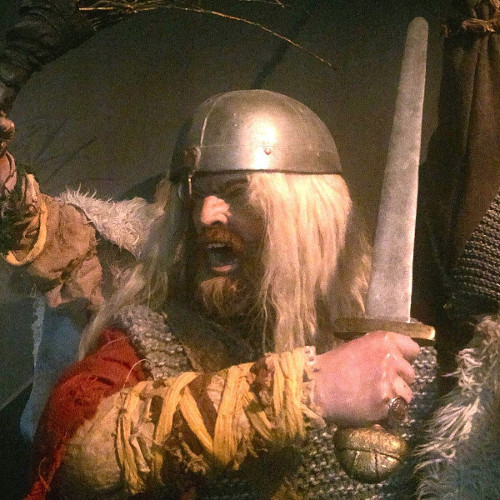 Vikings
Vikings
In the frozen north, a land of people clung to the ancient gods in a land whose earth would freeze over in winter and sun would hide away for months. The land bred harsh warriors with mastery of metals to fight away the greedy trolls and thieving dwarves. Sailors would brave the sea in dangerous waters fighting the storms of Thor the god of thunder. The seafaring culture started raiding further and further outside their homeland in Scandinavia. Small villages were raided at first, but once slaves and money started flowing in the Vikings became ever ambitious. The Vikings were ruthless and fearless with bloodlust only rivaled by their desire for fame. Ragnar Lodbrok was one such Viking who raided England and Paris. Eventually Vikings settled the 'Danelaw' in England, Scotland and Ireland and the Danish King Knut unified the whole of England.
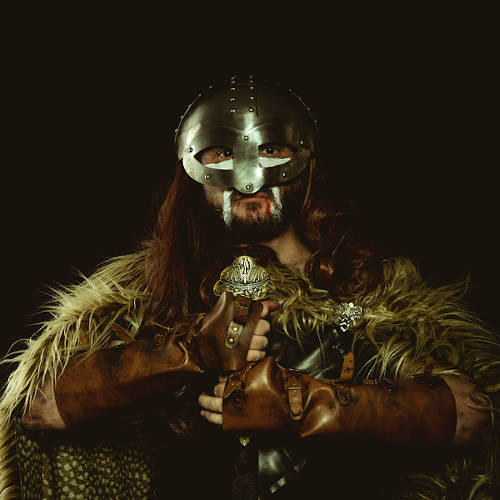 Danish Vikings
Danish Vikings
Angul and Danum were sons of the all seeing god Heimdall. Angul became father of the Angles who conquered the Frisii and the Roman province of Britannia, Danum would become the father of the Dani in Scania. Soon everyone would know this as the land of the Danes or Denmark (named after its marshland border with the Franks). Masters of the sea, they would raid small villages on the Frankish coast to start with, but as money and slaves flowed in, they became more ambitious. Danish Vikings eventually became conquerors and settled the Danelaw in Britain. This is where the laws of the Danes held sway and dominated those of the Anglo-Saxons. In the 10th century the kingdom of Denmark coalesced in Jutland under King Gorm the Old. His son Harald Bluetooth conquered Norway, unified Denmark, and Christianized the Danes. These accomplishments are inscribed in runic on a huge gravestone at Jelling. His son Sweyn Forkbeard raided England anually and was accepted as king of that country. His son Cnut the Great reconquered Norway and forged an Anglo-Danish kingdom that lasted until his death in 1035.
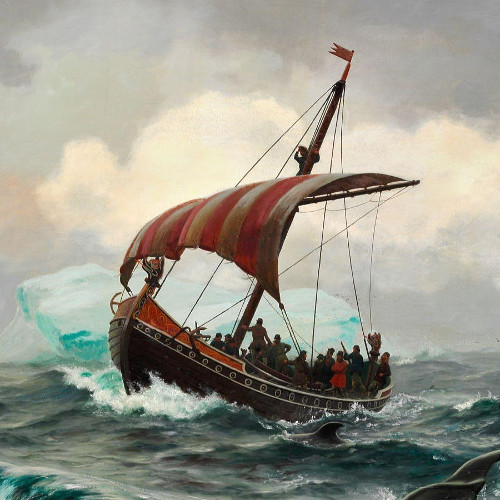 Vikings (Icelandic)
Vikings (Icelandic)
The first Norseman to rest his feet on Icelandic soil was Naddoddr - who named the land of fire and ice Snaeland (Land of Snow). The second Norseman to arrive was Floki Vilgerdarson who took 3 ravens to help him find his way. Floki set his ravens free near the Faroe Islands. The first raven flew back to the Faroes, the second flew up in the air and returned to the ship. The third flew in front of the ship and followed its direction to Iceland. A harsh winter caused all of Floki's cattle to die, after which he cursed the cold country and named it Island (Iceland). The next brave Viking to reach the icy land was Ingolfur Arnarson who had instigated a blood feud in his homeland Norway and swore to settle wherever he drifted ashore. Archaeogenetic studies have shown these Vikings who colonized Iceland brought thousands of slave women from Ireland and Scotland to put down roots. Roughly half of the genetic material of early settlers was an even Norse/Gaelic mix. Even today, Icelanders draw 70 percent of their genes from the Norse and 30 percent from these original Gaelic sources.
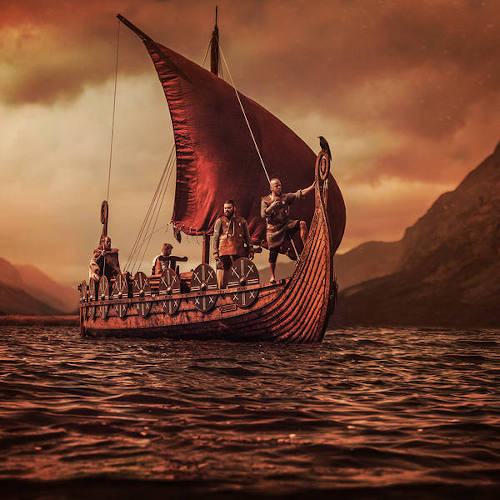 Norwegian Vikings
Norwegian Vikings
Norwegian Vikings were pioneering boat builders and adventurous sailors who signalled the start of the Viking Age in 793 AD by raiding the Catholic abbey of Lindisfarne in England. This was followed by raids in Northumbria, southern Wales and Ireland. Norwegian Vikings traveled to the Shetlands, the Orkneys, the Faroe Islands and Hebrides where they established settlements. Floki Vilgerdarson was the first Norseman to sail to Iceland in order to settle it. He sailed from Western Norway to the Shetland Islands where his daughter drowned. He then continued to the Faroe Islands where another daughter was wed and then took three ravens with him to find his way to Iceland which he named after seeing only snow and a great fjord full of ice. Erik the Red established settlements in Greenland and Leif Erikson, son of Erik the Red, discovered Vinland (present-day Newfoundland, Canada). King Harald Finehair is credited for unifying Norway from petty kingdoms into a single united kingdom which was the predecessor to the modern Kingdom of Norway.
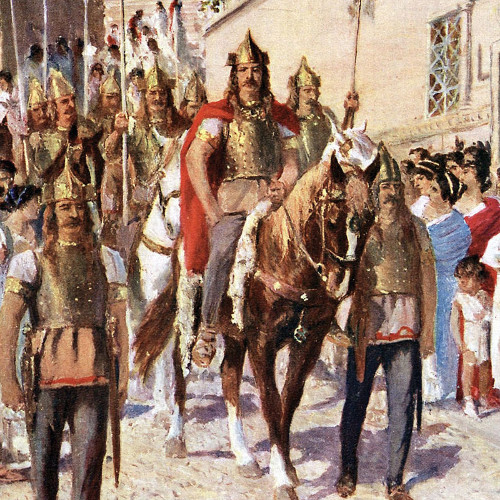 Visigoths
Visigoths
The Visigoths emerged from earlier Germanic Gothic groups (possibly the Thervingi) who had invaded the Roman Empire beginning in 376 and had defeated the Romans at the Battle of Adrianople in 378. Relations between the Romans and the Visigoths were variable, alternately warring with one another and making treaties when convenient. The Visigoths invaded Italy under Alaric I and sacked Rome in 410. After the Visigoths sacked Rome, they began settling down, first in southern Gaul and eventually in Hispania, where they founded the Visigothic Kingdom and maintained a presence from the 5th to the 8th centuries AD.
In or around 589, the Visigoths under Reccared I converted from Arianism to Nicene Christianity, gradually adopting the culture of their Hispano-Roman subjects. Their legal code, the Visigothic Code (completed in 654) abolished the longstanding practice of applying different laws for Romans and Visigoths. Once legal distinctions were no longer being made between Romani and Gothi, they became known collectively as Hispani.
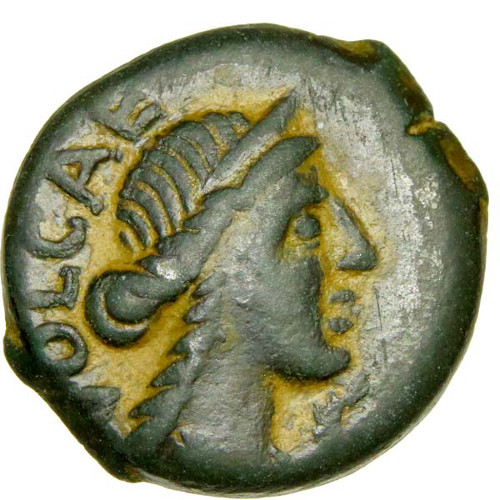 Volcae
Volcae
This Gallic tribal confederation took part in the invasion of Macedonia and fought Greeks at the Battle of Thermopylae at 279 BC. Driven by highly mobile groups operating outside conventional tribal systems, the Volcae were a key part of the Celtic military expansion starting in the 3rd century BC. Caesar, Strabo and Ptolemy have all written about the Volcae - they had at one time excelled the Germanic tribes in prowess and waged offensive war on them - as well as established colonies over the Rhine. Caesar was in fact convinced they had originally come from across the Rhine. Strabo meanwhile correctly recognized their base at Narbonne. The eastern Volcae were known as the Arecomici who lived among the Lugurians and the Tectosages who lived among the Aquitani. When the Roman Republic conquered the eastern Volcae, the west remained free for almost another hundred years until the arrival of Julius Caesar. Volcae settlements far away in Moravia remained highly influential - and allied with the Boii and Danubian tribes to control a highly active network of trade routes connecting the Mediterranean and German lands.
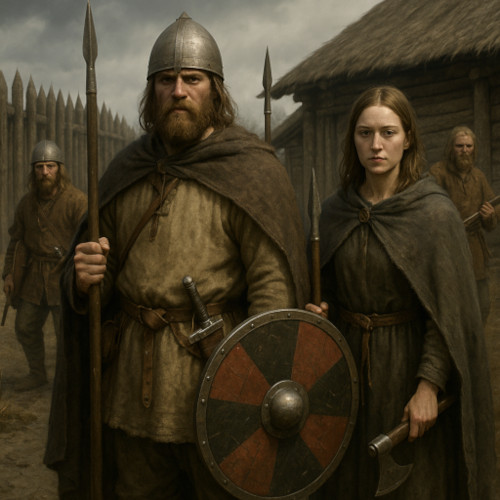 Wends
Wends
Wends
The Wends were a fierce and resilient group of Western Slavic tribes who settled along the Elbe River and into eastern Germany during the early Middle Ages. As Germanic tribes migrated westward, the Wends moved in from the east, building fortified villages and rich farming communities in forests and river valleys. Known for their independence, they often clashed with expanding Germanic and Christian powers, leading to centuries of warfare, crusades, and shifting alliances. Despite pressure from the Holy Roman Empire and German settlers, they preserved their language, customs, and warrior spirit deep into the medieval period. Their legacy survives today through the Sorbs, the last living Wendish descendants, who still speak their Slavic tongue in eastern Germany.
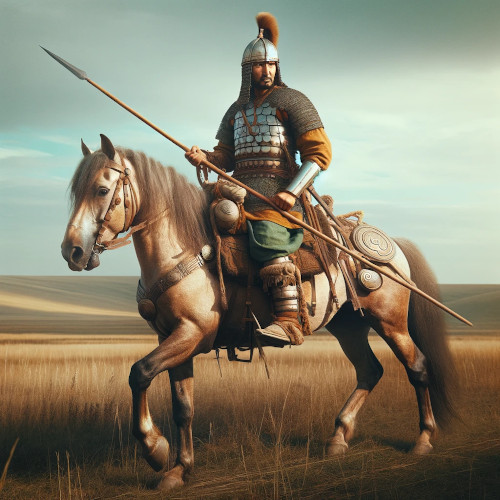 Western Scythians
Western Scythians
The Western Scythians, a nomadic group flourishing around 300 BC, were renowned for their exceptional equestrian skills, roaming the vast steppes of the Great Hungarian Plain with unparalleled agility and grace. These fierce warriors, adorned in vibrant and intricate clothing, were feared and respected for their mastery in archery, their arrows often deciding the fates of battles. The women of the Western Scythians stood out as embodiments of strength and independence, many skilled in horseback riding and combat, challenging the gender norms of the ancient world. Their society was rich in artistic expression, evidenced by their ornate gold jewelry and elaborate animal-style art, which reflected their deep connection with the natural world and spiritual beliefs. Living in a harsh, unforgiving landscape, the Western Scythians developed a resilient culture, leaving a legacy of formidable warriors and skilled artisans that continue to fascinate historians and enthusiasts alike.
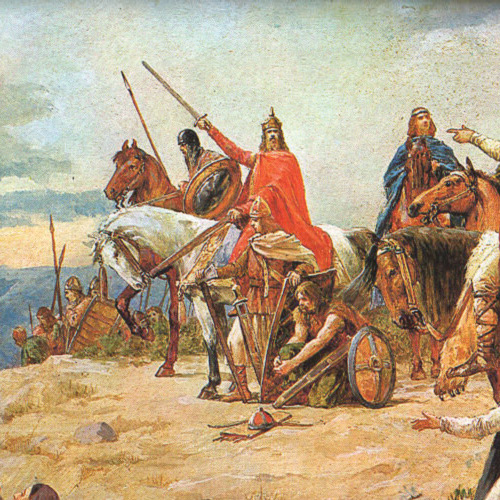 White Croats
White Croats
The White Croats are an early Slavic tribe who formed between the 3rd and 5th century century in Lesser Poland during the peak of the Huns. They are thought to be one of the oldest and largest Slavic tribal formations until the 6th century. Some believe they were ruled by Sarmatian elite or Slavicized Sarmatians. The Byzantine Emperor Constantine VII wrote that the Croats dwelled beyond Bagibareia where the Belocroats live now - and that a family of 5 brothers and 2 sisters came with their folk to Dalmatia and founded this land under the rule of the Avars. The Croats prevailed and killed some of the Avars - with the remainder compelled to be subject to them. From the Croats who came to Dalmatia, a part split off and took rule of Illyricum and Pannonia. They remained independent and autonomous and requested holy baptism from Rome. Czech and Polish chronicles claim the legendary Lech and Czech came from White Croatia.
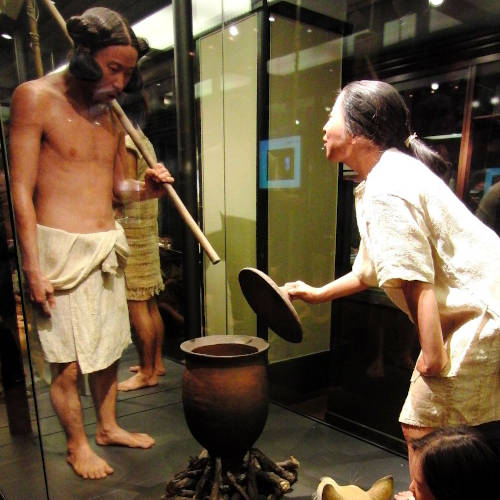 Yayoi
Yayoi
Yayoi
The Yayoi period lasted from 300 BC to 250 AD, coinciding with the Chinese Han dynasty. The Yayoi migrated to a Japan already inhabited for many thousands of years, bringing with them new methods of Rice farming and metalworking. The native Jomon were struggling to their hunter gatherer lifestyle and food was scarce. Legend has it the first emperor of a unified China was Qin Shi Huang. After evading three assassinations the emperor wanted to find a way to live forever. He dispatched his court sorcerer Xu Fu to find the mythical mountain of the immortals where he would meet a thousand year old magician to obtain the elixir of life which grants immortality. Xu Fu gathered a few thousand men and ships only to return after encountering a sea monster to which he asked the emperor to provide him an army of archers to defeat the beast. After setting sail again, Xu Fu vanished never to return after finding Mount Fuji, the mythical mountain. He introduced wet rice farming, metalworking and chinese medicine to Japan supposedly starting the Yayoi culture. Regardless Xu Fu and his men avoided certain death by failing to return with the elixir of life.
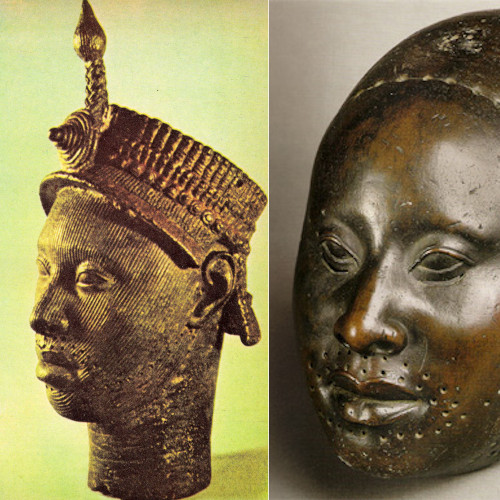 Yoruba Peoples
Yoruba Peoples
The Yoruba people are an African ethnic group that inhabits western Africa. They developed out of earlier Mesolithic Volta-Niger populations by the first millennium BC. The Yoruba were the dominant cultural force in southern Nigeria as far back as the 11th century. Centuries before the arrival of colonials, the Yoruba already lived in well structured urban centres organized around powerful city-states. In ancient times, many of these cities were fortresses with high walls and gates and ranked among the most populous in Africa. Archaeological findings indicate the capital of the Yoruba empire had a population of over 100,000 people. Today Lagos, another major Yoruba city, has a population of over twenty million. The dynasty of kings at Ife-Ife, which is regarded by the Yoruba as the origin of human civilization, remains intact to this day. Ife continues to be seen as the spiritual homeland of the Yoruba.